Carbon fiber has long been the go-to material for outdoor product designers and manufacturers. Its unique combination of lightweight strength and corrosion resistance provides the performance characteristics needed for working or playing in rugged environments. The only downside is the cost.
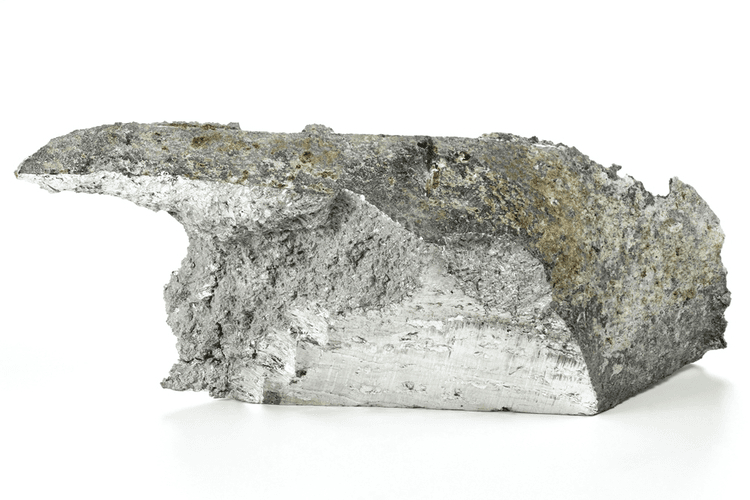
To address this concern, Dayton, Ohio-based Allitecreated a more affordable option. Used primarily in the military and aerospace sectors since its development in 2006, the company’s magnesium alloy, which they refer to as Super Magnesium, is now making commercial inroads in the cycling market.
Early reports show that this interest could also drive the use of Super Magnesium in the automotive and consumer electronics segments, as thematerial is stronger and lighter than aluminum. And its abundance — with magnesium being the eighth-most available material on the planet— makes it cheaper to source. This alloy is also better for the environment; it’s 100% recyclable and can be produced using 40% of the energy required to create carbon fiber or aluminum.
Image credit: Bjoern Wylezich / Shutterstock.com