In the dynamic realm of aerospace engineering and aviation, the convergence of cutting-edge technology and innovation has given rise to a transformative force: artificial intelligence (AI) and machine learning (ML).
In this era of rapid advancement, AI is not just a buzzword but a critical catalyst reshaping the aerospace industry. From the conceptualization and design of aircraft to the intricacies of quality control, the infusion of AI algorithms and techniques is revolutionizing how aerospace companies operate.
Let’s explore the multifaceted applications of AI in aerospace by examining how these intelligent systems optimize performance, enhance maintenance protocols, and redefine the passenger experience. While the potential benefits of AI in this sector are immense, intriguing challenges also demand careful consideration when navigating this high-flying technological frontier.
Benefits of AI in Aircraft Design and Simulation
AI has revolutionized the field of aircraft design and simulation, ushering in a new era of innovation and efficiency within the aviation industry. Integrating AI algorithms and ML techniques has fundamentally transformed the aircraft design process.
Engineers now harness the power of AI to optimize various aspects of aircraft, including their structures, aerodynamics, and systems. AI’s data-driven approach allows for rapidly exploring previously time-consuming design possibilities.
1. Virtual Testing in the Aerospace Industry
One of the most significant advantages of AI in aircraft design is its role in virtual testing and simulation. Traditional physical testing is costly and time-intensive, often leading to extended development cycles.
AI-enabled virtual testing and simulation have addressed these challenges by providing a platform for comprehensive testing in a digital environment. This approach significantly reduces development time and costs while offering engineers a controlled space to refine designs.
2. Improved Designs for the Aerospace and Defense Industry
AI-enabled design tools assist engineers in generating innovative and efficient aircraft concepts. The technology’s ability to analyze massive datasets and iteratively refine designs leads to creation of more aerodynamically efficient and structurally sound aircraft.
Using AI algorithms, aerospace professionals can optimize every facet of an aircraft’s design — from its shape to the materials used — ultimately leading to the development of more fuel-efficient, environmentally friendly, and cost-effective aircraft.
AI in Aerospace Manufacturing and Quality Control
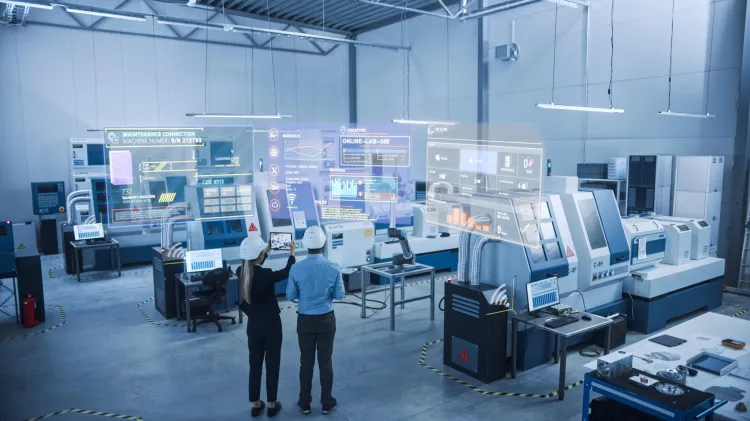
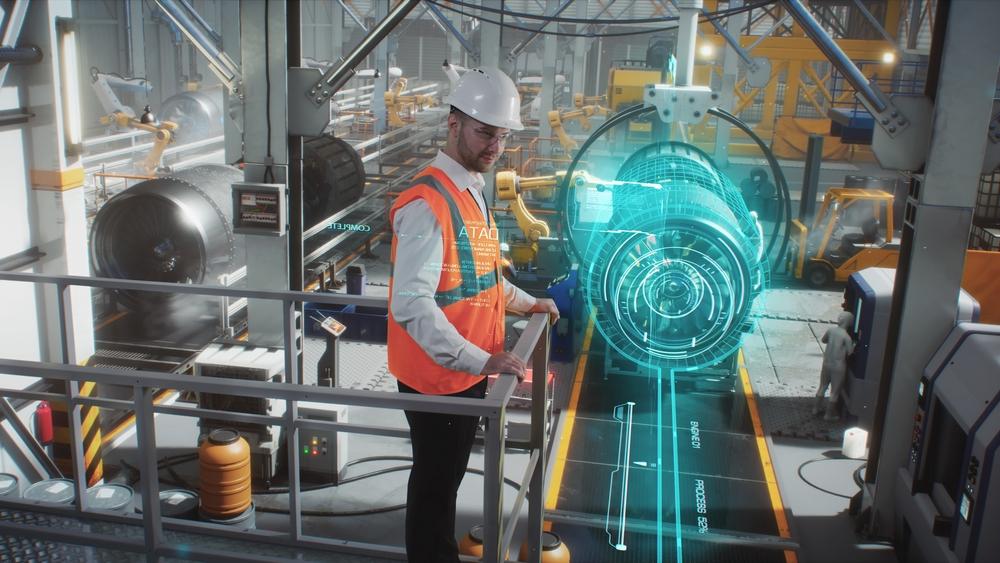
AI has become a pivotal player in aerospace manufacturing and quality control processes, reshaping the industry’s approach to efficiency and precision. At the heart of this transformation lies manufacturing automation powered by AI-driven automation and robotics.
These systems have redefined production lines, significantly enhancing efficiency and reliability. By seamlessly integrating AI into manufacturing, aerospace engineers can optimize production workflows, reducing manual labor and minimizing the risk of human error.
1. Improved Maintenance Schedules for Supply Chain Efficiency
Predictive maintenance is another critical application of AI, as it ensures uninterrupted manufacturing operations. AI algorithms can analyze a plethora of data from equipment sensors and historical maintenance records to predict potential equipment failures.
This proactive approach allows aerospace companies to schedule maintenance activities precisely when needed, minimizing costly downtime due to unexpected breakdowns. By reducing unplanned disruptions, AI-driven predictive maintenance saves time and ensures essential manufacturing equipment’s longevity and operational efficiency.
2. Aerospace Companies Can Provide Improved Quality and Better Safety
Quality control and defect detection are paramount in aerospace engineering, where precision and safety are non-negotiable. AI’s machine learning models and image recognition capabilities enable the detection of even the tiniest imperfections in components or assemblies.
This advanced defect detection combined with factory automation in the production of components ensures the highest manufacturing standards and contributes to the overall safety and reliability of aerospace products. Aerospace and defense companies can rest assured that every component meets stringent quality criteria, enhancing aircraft safety and performance.
AI in Air Traffic Management
The integration of AI into air traffic management (ATM) has ushered in a transformative era of innovation and efficiency. AI algorithms are at the forefront of optimizing flight routes, mitigating congestion, and enhancing airspace management.
Regarding flight optimization, AI’s data-driven capabilities enable airlines and air traffic controllers to make informed decisions regarding optimal routes, considering real-time weather conditions, air traffic, and fuel efficiency. By continuously analyzing vast datasets and adapting to changing conditions, AI algorithms help optimize fuel consumption, minimize emissions, and save both time and costs for airlines.
Congestion management is another area where AI shines. With AI-enabled congestion management systems, airspace can be dynamically adjusted to accommodate high traffic volume, rerouting flights and managing arrival sequences in real-time. This reduces delays, improves on-time performance, and enhances safety by ensuring adequate spacing between aircraft.
The potential benefits of AI-enabled air traffic control systems run deep. Enhanced safety is a paramount advantage, as AI can predict and prevent potential conflicts, reducing the risk of accidents. Moreover, AI-driven ATM systems improve overall efficiency by optimizing routes and reducing delays, benefiting both airlines and passengers.
Additionally, in busy airspace environments, AI can significantly increase capacity by managing traffic more efficiently, ultimately paving the way for future growth in air travel.
Ethical and Safety Considerations of Aerospace AI
Ethical and safety considerations are vital in integrating AI within the aerospace industry. Ensuring the responsible use of AI algorithms involves a commitment to transparency and explainability. It is imperative to build trust among stakeholders by providing insights into how AI-driven decisions are made, especially when it concerns critical aerospace operations.
Challenges also arise regarding human-machine collaboration as artificial intelligence increasingly becomes a part of aerospace workflows. Clear guidelines and safety standards are essential to harmonize the interaction between human operators and AI systems to maintain operational integrity and passenger safety.
Similarly, the establishment of robust artificial intelligence governance mechanisms is pivotal. These frameworks serve as a compass for aerospace companies, guiding them in the ethical deployment of AI technologies and ensuring that the benefits of AI are harnessed responsibly while minimizing potential risks.
The Future of AI in Aerospace
The incorporation of AI into the aerospace industry represents a monumental leap in innovation, efficiency, and safety in the aerospace industry.
Yet, with these advancements come ethical and safety considerations that cannot be overlooked. Transparency and explainability of artificial intelligence algorithms are crucial for establishing trust and managing risks. The dynamic interplay between humans and machines in aerospace operations necessitates clear guidelines and safety standards to ensure seamless collaboration.
Implementing robust AI governance frameworks is pivotal, enabling the industry to harness the full potential of AI while upholding ethical principles and safety standards.
As AI technology continues to evolve, a commitment to these ethical and safety considerations will be instrumental in shaping a future where technology elevates our skies while prioritizing the well-being of all those who take flight.
More AI Insights
- The Increasing Relevance of Artificial Intelligence
- 80% of CEOs Will Turn to Artificial Intelligence Within Two Years
- How to Leverage Artificial Intelligence for Business
- How Artificial Intelligence Could Transform the U.S. Power Grid