Image credit:NASA
The on-again, off-again launch of the Boeing Starliner (a.k.a. CST-100) has been quite the ride, to say the least. Finally taking place on June 5, 2024, and after several delays, the spacecraft, which was supposed to stay in orbit for around eight days, is still there — almost three months later — along with two veteran NASA astronauts, Sunita “Suni” Williams and Barry “Butch” Wilmore.
The latest reports are that the Starliner will return to Earth on September 7, 2024 (this will be shown live), but without the astronauts inside. Due to unexpected technical issues, the mission’s timeline has been unavoidably extended to around eight months, with Williams and Wilmore set to come back sometime in February 2025. Now here’s the cincher; the astronauts will return to Earth on a SpaceX craft (oh, the irony).
Crewed Launch to International Space Station
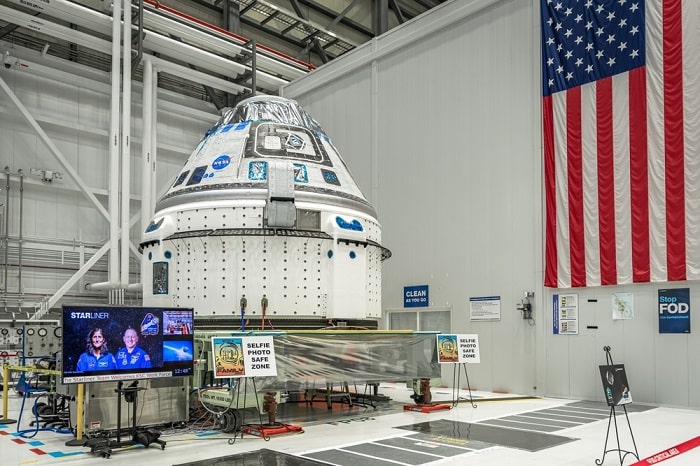
Image credit: Shutterstock/Keith J Finks
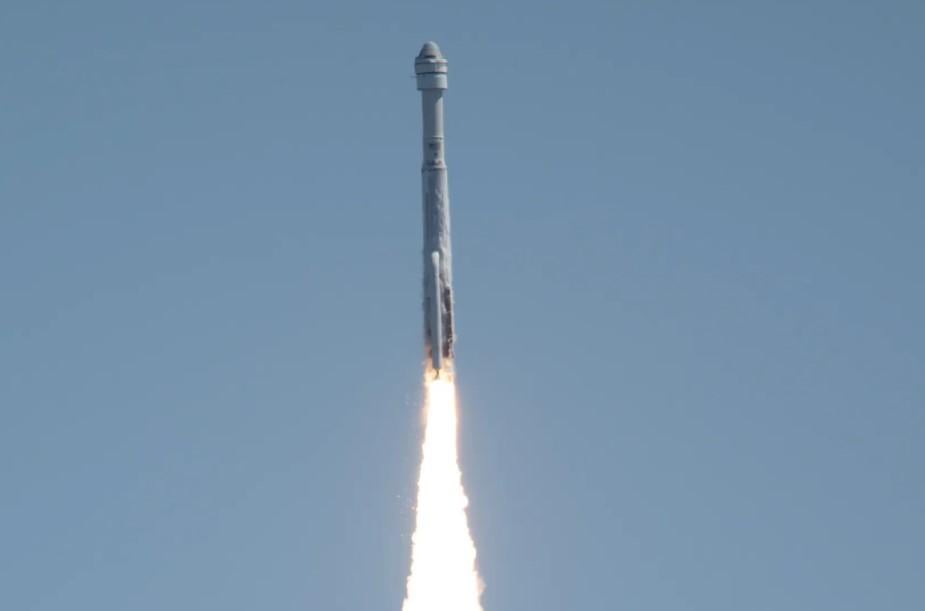
The Starliner made its first successful crewed flight test (CFT) on June 5. It took off from its launch pad, Space Launch Complex 41 at Cape Canaveral Space Force Station in Florida, on top of United Launch Alliance’s Atlas V rocket. The original plan was as follows: Over the course of around a day, the Starliner would slowly travel towards the International Space Station (ISS) to dock, where the astronauts would join colleagues from NASA’s Expedition 71. The mission was to last for about a week before the Starliner and the astronauts made the trip back to Earth.
However, it didn’t exactly go down that way. Things quickly went south when engineers at NASA and Boeing noticed helium leaks and other issues with the reaction control thrusters on the spacecraft, and decided that it wasn’t safe for the astronauts to travel back on it. It was bad enough that Williams and Wilmore were quarantined from the first canceled launch attempt on May 17, until the actual launch on June 5, but now it seems they will be away from their loved ones for a whole eight months. Thankfully, they are able to communicate with family and friends via phone, email, and even video calls. They also seem to be in good spirits.
All About the Boeing Starliner
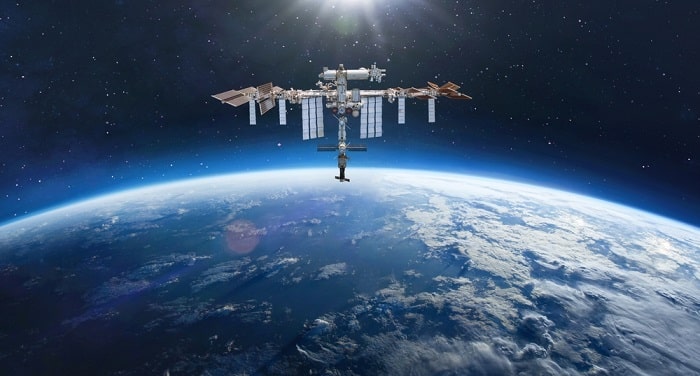
Image credit: Shutterstock/Dima Zel
From Boeing’s initial ambitious plans to the current day, Starliner’s journey has taken many different turns. Here’s a little more about the spacecraft and rocket, as well as all the scheduled (and rescheduled) CFT launch highlights.
Boeing Starliner (CST-100)
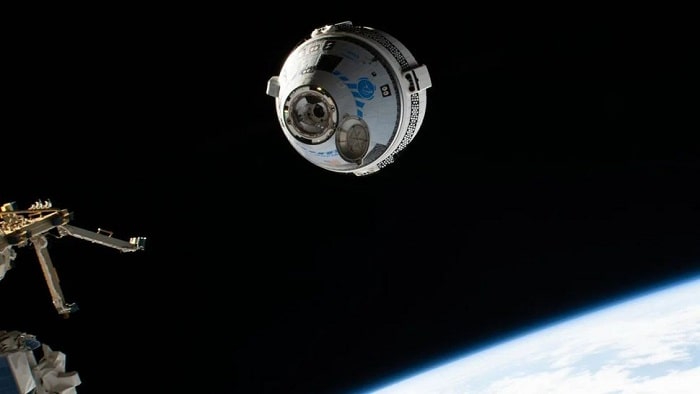
Image credit:NASA
Boeing (and all of us) had high hopes for the Boeing Starliner CST-100. Developed under NASA’s Commercial Crew Program (CCP), the versatile spacecraft was designed to ferry crews to the ISS and other low-Earth-orbit (LEO) destinations. Comprising a reusable crew capsule and an expendable service module, Boeing’s Starliner spacecraft can accommodate up to seven astronauts for longer stays at the ISS. With a spacious interior and features like wireless Internet and tablet technology, Boeing said that the Starliner represents a new era in space travel.
Boeing announced that the spacecraft was designed with safety, reliability, functionality, and comfort in mind, with a 15-foot diameter crew capsule that’s somewhere in between the Apollo command module and the Artemis Orion in size. Powered by an Atlas V rocket, the Starliner integrates the NASA Docking System, and a re-entry cover for extra safety during atmospheric entry. To make it cost-effective, it has been designed to be reused for up to ten missions.
The Starliner successfully completed its Orbital Flight Test 2 in May 2022 in preparation for the CFT which was aimed at advancing crewed space missions in preparation for operational service for the Starliner-1 mission in 2025.
United Launch Alliance Atlas V Rocket
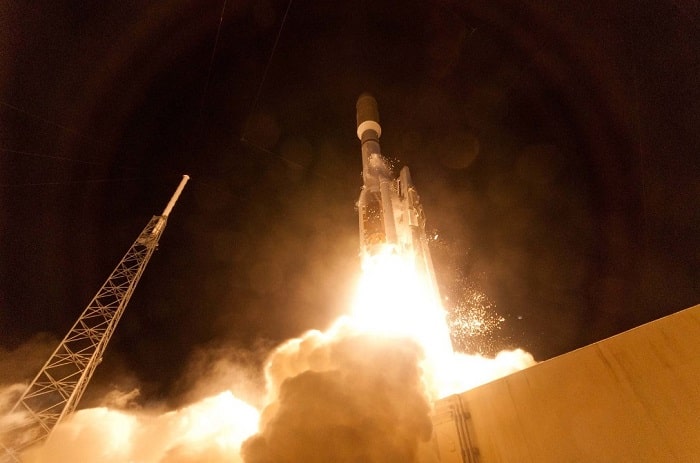
Image credit:United Launch Alliance
The Atlas V rocket was built by United Launch Alliance (ULA) for a wide variety of missions, including satellite deployment into different orbits, sending payloads to the ISS, and interplanetary missions. At almost 60 meters tall, the rocket can lift payloads of up to 44,000 pounds into LEO, and is flexible in the type of payloads it can carry thanks to its modular design. Although the June 5 launch was the Atlas V’s first mission with astronauts, it had successfully completed many missions since it came out in 2002.
Just a couple of hours before it was to take off on May 6, 2024, the Starliner’s launch was postponed due to a buzzing sound coming from the ULA Atlas rocket. Butch Wilmore and Suni Williams were aboard at the time and had to exit and go into quarantine at NASA’s Kennedy Space Center at Florida’s Space Coast. The buzzing turned out to be a critical issue with a pressure regulation valve in the rocket’s upper Centaur stage relating to the liquid oxygen tank. ULA worked hard to replace it, and managed to solve the issue.
Rescheduled CFT from Space Launch Complex 41
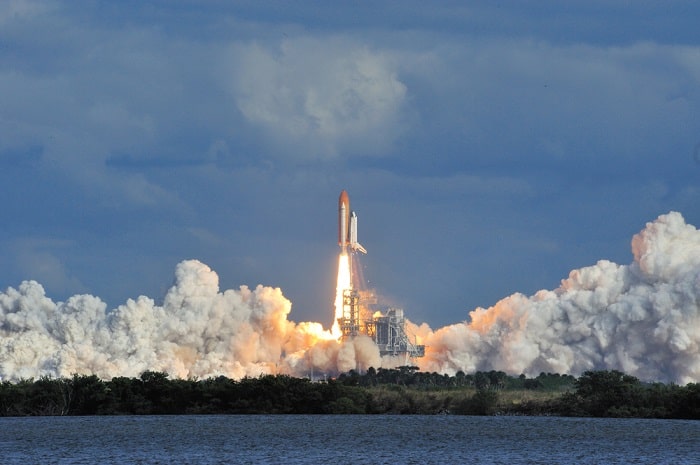
Image credit: Shutterstock/Jose Antonio Perez
The CFT was then rearranged for May 17, but this was also canceled as the team found a small helium leak in the Starliner’s service module, with subsequent potential dates also getting postponed for various technical issues. Just minutes before its rescheduled takeoff on June 1, 2024, the launch was automatically aborted by a ground launch sequencer seemingly due to a faulty computer card.
NASA and Boeing both worked tirelessly to address these technical issues, and were optimistic about resolving the problem quickly in order to complete the CFT on the next rescheduled date of June 5, at 10:52 a.m. EDT. The astronauts remained in quarantine in anticipation of the rescheduled CFT, which they finally got to carry out.
NASA’s Commercial Crew Program
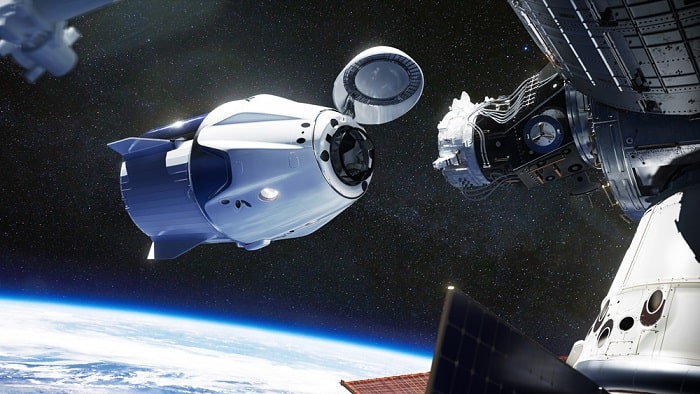
Image credit: Shutterstock/Evgeniyqw
The Starliner program is part of NASA’s broader commercial crew program, which partners with private American industry. The program has been designed to conduct important research, create more opportunities, as well as next-gen launch systems and spacecraft for reliable, safe, and cost-effective transport of humans to the ISS and back.
Commercial companies have started to focus on ways to safely transport humans to low-orbit space, so NASA is concentrating on space vehicles to navigate deep space. By liaising with companies like SpaceX and Boeing, NASA said that it can efficiently allocate more resources towards advancements in space exploration.
Boeing Starliner—Conclusion
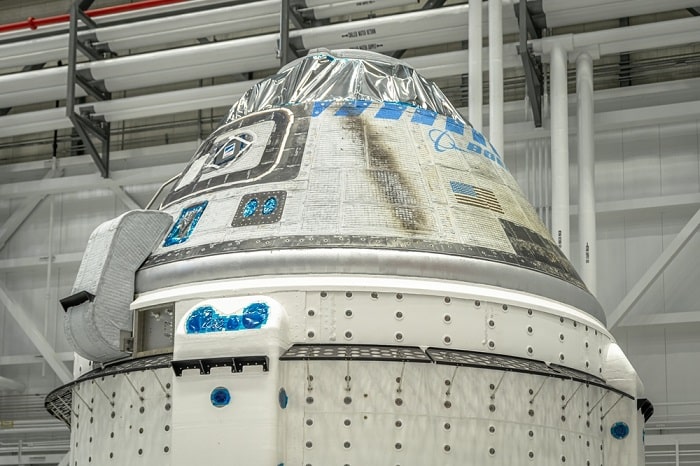
Image credit: Shutterstock/Keith J Finks
We’re keeping an eye on all the Boeing Starliner spacecraft news and will keep this article updated with this historic mission’s progress, and the hopeful safe return of the astronauts. You can also watch all the live updates on NASA+, the NASA app, YouTube, and NASA’s website.
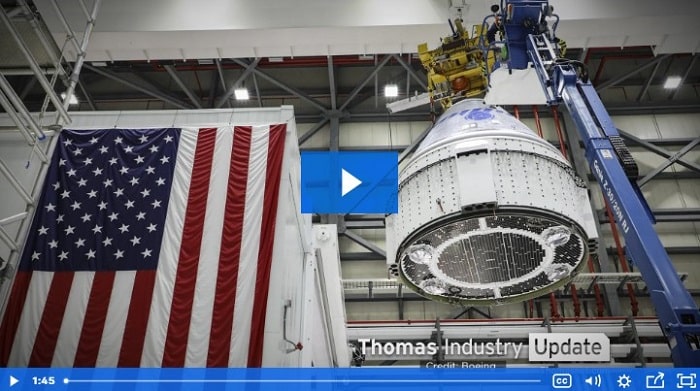
While we eagerly await these updates, take a look at our Thomas Industry Update video on how NASA and Boeing prepared for the CST-100 Starliner’s first crewed flight.