Advanced recycling is like regular recycling with a makeover. It can recycle more types of waste, and you might not even have to scrub your plastic containers clean before putting them in the recycling bin. These new methods allow for the repurposing of many more types of plastic that were previously unrecyclable with the traditional method of physically breaking them down.
For manufacturers, advanced recycling could allow them to use more types of recycled plastics in their products. This will not only reduce dependence on fossil fuels and lower their environmental impact but also meet growing consumer demand for sustainability. It also gives them access to a wider range of recycled materials.
Below, we break down all the ways these up-and-coming recycling methods are set to change recycling as we know it, albeit with some potential downsides. But first, let’s examine the issue of plastic waste so that we can better understand why new and improved recycling methods are important.
The Global Problem of Plastic Waste
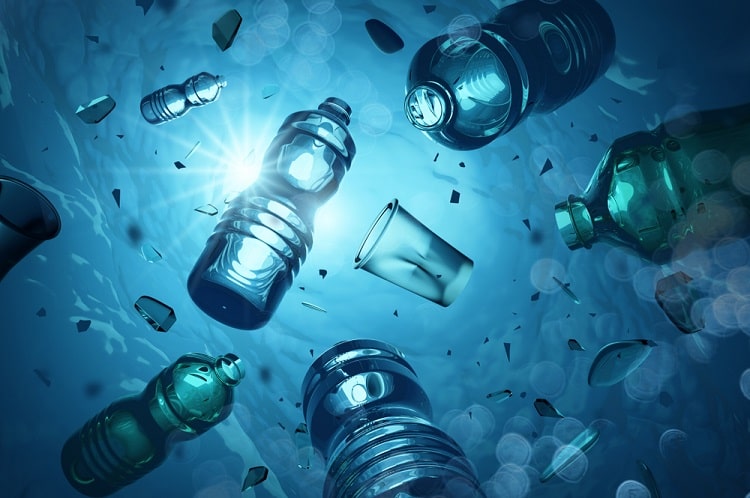
Image credit: Shutterstock/solarseven
The copious amounts of plastic waste produced yearly all over the world is, to put it very mildly, a major problem. Each year, the plastics industry makes around 450 million tons of plastic, but only a fraction of it is recycled. Most of it is thrown away and ends up in landfills and oceans or has to be incinerated. In 2023, around 91% of waste plastic was not recycled; 12% was incinerated, and 79% was racking up in landfills or just scattered randomly around the planet.
While not allowing plastic waste to take up landfill space, incineration contributes to around 3% of global greenhouse gas emissions. Plastic pollution in oceans has reached shocking levels, with estimates suggesting that more than a million tons of plastic go into the oceans every year.
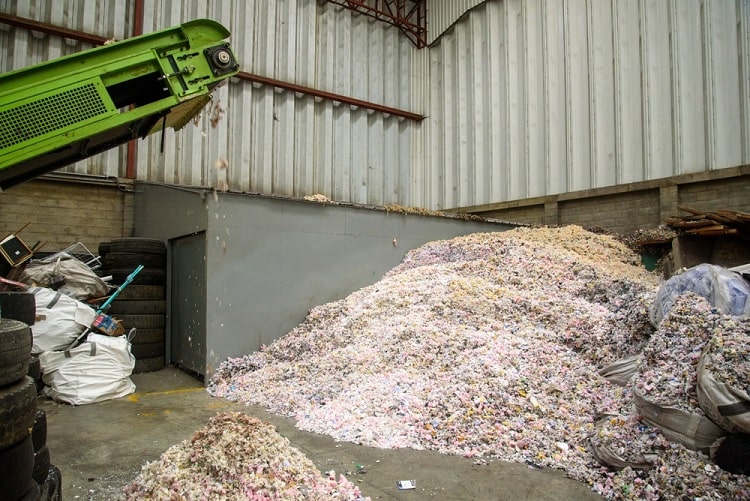
Image credit: Shutterstock/Alejandro Sanchez Ortiz
Traditional recycling methods can only do so much and can’t deal with mixed or contaminated plastics. Things like plastic bags, which make up an alarmingly large portion of plastic waste, often have to go straight in the bin because they clog up recycling machinery. In the U.S., only about 9–10% of plastic bags are recycled.
This leads us to a great need for new plastic recycling solutions that will reduce environmental impact and promote sustainability. Advanced recycling offers a promising alternative by breaking down plastics into their basic building blocks (monomers), potentially allowing for the recycling of a wider range of plastic types and conditions.
Advanced Recycling Technologies
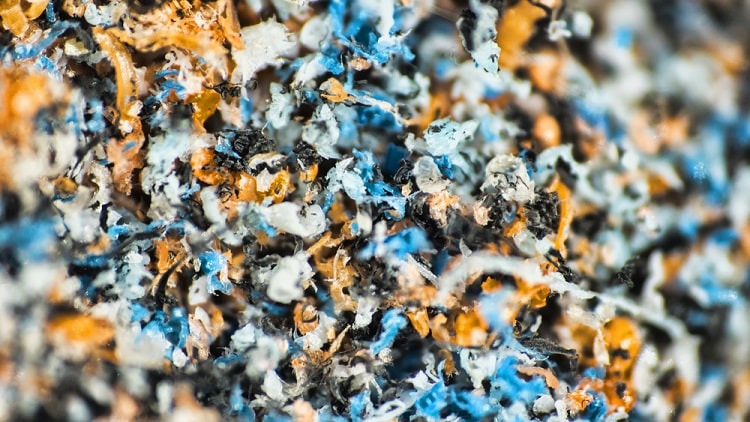
Image credit: Shutterstock/Maximillian cabinet
Recycling falls into two main categories: mechanical recycling (the traditional method we’ve all been using to date) and chemical recycling, which is the “advanced recycling” in question. Advanced recycling includes several different technologies and methods, each with its own unique process and benefits. We explain these in more detail below.
Chemical recycling is a range of technologies that turn plastics back into monomers. These can then be used to create new plastics or chemicals. Mechanical recycling basically reshapes plastic, and there are only so many types it is able to recycle. Chemical recycling processes can handle many more types of plastics, including contaminated, mixed, and multilayer materials, and make even food-grade materials from them.
Chemical recycling can be further divided into three subcategories: thermochemical recycling, thermal decomposition, and chemical depolymerization. Below are the different types of chemical recycling processes making headway and the categories they fall under.
Thermochemical Recycling
Thermochemical recycling uses heat and sometimes catalysts to break down plastic waste into simpler chemical compounds. Several methods fall under this category, including pyrolysis, which has perhaps the most advanced recycling capacity of all the methods and is already used quite a lot in Europe, North America, and parts of Asia. The methods that fall under the thermochemical recycling processes are listed in the table below.
| Process | Method | Output | Suitable for |
| Gasification | Heating mixed plastic waste in high temperatures in the presence of oxygen | Syngas (CO and H2) that can be used for energy, or feedstock for chemicals and new plastics | Many plastic types, i.e., contaminated and mixed plastics that can’t be mechanically recycled |
| Pyrolysis | Heating mixed plastic waste in the absence of oxygen to break it down and produce pyrolysis oil | Oil (for fuels, chemicals, or new plastics), solid (char), and gaseous products | Mixed and hard-to-recycle plastics, i.e., multi-layered plastic packaging, contaminated plastics |
| Hydrogenation | Hydrogen is added at high pressures and temperatures to break plastics down | Hydrocarbons for fuels or chemical feedstocks | Many types, like Polyethylene (PE), Polypropylene (PP), PS, Polyethylene Terephthalate (PET), PVC, and mixed plastic waste |
This method is a little simpler and breaks plastics down just by using heat—no catalysts or chemicals required. While burning rubbish is typically considered “waste management” rather than recycling, these methods manage to recover some energy, earning them a rightful spot in the “recycling” category (albeit in a broader sense of the word). This category, too, can be subdivided into several methods, as you’ll see in the table below.
| Process | Method | Output | Suitable for |
| Incineration | Plastics are burned in the presence of oxygen | Heat energy recovery, which can be converted to electricity, ash, and flue gases | Plastics that are not recyclable in traditional ways |
| Thermal Cracking | Similar to pyrolysis, but involves heating plastics at different temperatures or in different conditions | Hydrocarbons of various lengths, gases, and some liquid products | Mixed plastics, and plastics unsuitable for mechanical recycling |
Chemical depolymerization involves breaking down polymers into their monomers or oligomers using chemical reactions (these are the parts that plastic is made of, scientifically speaking). This is often done with solvents, catalysts, or other chemical agents. Here are the processes that fall under this category.
| Process | Method | Output | Suitable for |
|---|---|---|---|
| Solvolysis | Uses solvents to dissolve and break down a plastic’s polymers into monomers | High-quality polymers that can be purified and re-polymerized to make new, virgin plastic | PET (like plastic bottles), nylon, some mixed plastics |
| Hydrolysis | Similar to solvolysis, it uses water (often with a catalyst) to break down polymers into their monomers | Monomers, i.e. terephthalic acid, and ethylene glycol for PET | Mostly polyesters, i.e. PET |
| Methanolysis | A type of solvolysis using methanol to depolymerize plastics | Dimethyl terephthalate (DMT) and ethylene glycol | PET, polycarbonate, and certain polyamides |
| Glycolysis | Plastics are reacted with glycol at high temperatures to break the plastic’s polymer chains | Monomers or oligomers that can be re-polymerized into new plastics | Polyesters, like PET |
| Enzymatic Recycling and Enzymolysis | Two similar biological methods still in the experimental stage, and use enzymes to break down polymers into their monomers | Monomers that can be re-polymerized (depending on the specific polymer and enzyme used), potential for very pure recycled materials | Has shown promise forbiodegradableplastics and specific polymers, like PET |
| Dissolution | Uses solvents to dissolve specific plastics from a mixture, but leaves other parts, like pigments and fillers, undissolved | The target polymer is recovered from the solution without being chemically broken down, can be reshaped and repurposed | Used mainly in Europe and North America for recycling specific types of plastics, i.e. high-value, or specialty-use |
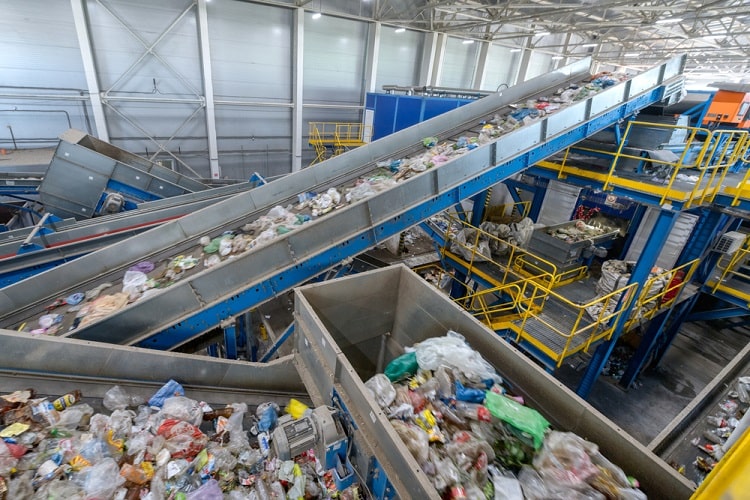
Image credit: Shutterstock/Nordroden
It’s taken us as far as it can go and served us (fairly) well, but it seems that it’s time for mechanical recycling to retire and allow chemical recycling (or other more efficient processes) to take the wheel. Mechanical recycling is the traditional and most widely used method of recycling plastic waste, and involves physically processing plastics (squashing and shredding them) to convert them back into raw materials. This fresh, recycled plastic can be used to create new products.
In traditional recycling, plastic waste is collected, sorted, cleaned, cut into tiny pieces, and then melted down to form pellets that can then be used to make new plastic products. However, this method is really only suitable for clean, single-type plastics, like PET, commonly used in food and drink packaging; high-density PE, used in detergents and milk jugs; and PP, which is typically what bottle caps and straws are made from.
The main problems with mechanical recycling are contamination issues that could decrease the quality, and its material limitations; as we all know very well, many plastics simply can’t be recycled. In addition, each time plastic is recycled mechanically, its properties degrade, meaning it gets weaker and less durable. Advanced chemical recycling laughs in the face of all these issues, and many believe that it’s swooping in to save the day.
Advanced Recycling Companies
There are many companies involved in advanced recycling, ranging from start-ups to large chemical companies. In the USA, Eastman Chemical Company providesmolecular recyclingtechnologies that break down complex plastic waste for reuse, and Chevron Phillips works on technologiesto convert plasticsinto reusable chemicals.
Some of the major players around the world who are scaling up technologies to handle various types of plastic waste and convert it into useful new products includeBlue Alp(Netherlands),Neste(Finland),Aquafil(Italy), andINEOS Styrolution(Germany).
Potential Issues with Advanced Recycling
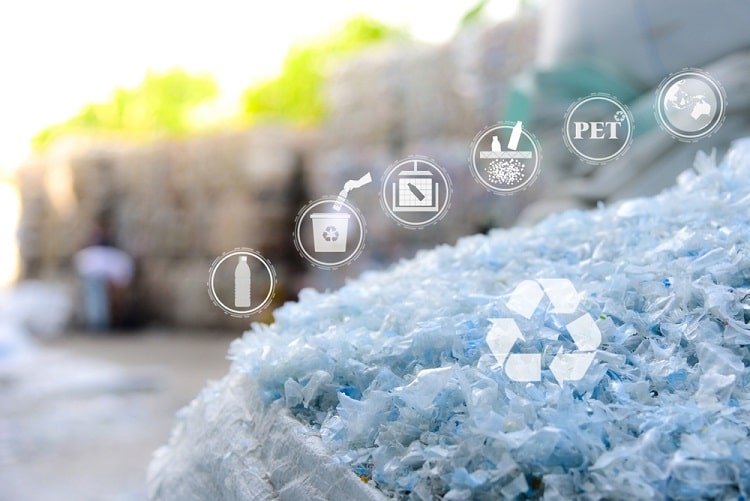
Image credit: Shutterstock/RecycleMan
Of course,not everyoneis convinced that advanced recycling is the solution to the plastic waste problem. Some have complained about itshigh costsand energy use; the process can be expensive andenergy-intensive, which could potentially offset some of the environmental benefits. It’s alsopotentially hazardous.
Many of these chemical technologies are also still in their very early stages, or only available on a small scale, which leads to some concern about seeing any sort of impact any time soon. In addition, the plastic still needs to be sorted — and quite thoroughly — but current waste collection and sorting machinerymight not be ableto do this efficiently yet.
Advanced Recycling—Conclusion
If the concerns are addressed, advanced recycling could just be the solution to the ever-increasing problem of global plastic waste. By breaking down plastics into their fundamental components, these technologies can be used alongside traditional recycling methods and, if they do eventually take off on a large scale, could lead to the creation of a circular economy for plastics.
Image Credit: Shutterstock/3rdtimeluckystudio