Sublime Systems, an MIT startup, has uncovered a sustainable way to make one of the world’s most used materials: cement.
Sustainable Cement Production Process
Last year, the U.S. produced some 88 million tons of Portland cement. Conventional production uses ultrahigh temperatures, which create immense amounts of carbon dioxide emissions. However, Sublime Systems has found a way around conventional heating using electrochemistry.
According to the International Energy Agency, an estimated 7% of human-driven carbon dioxide emissions come from cement production. Sublime’s process uses limestone, which is nearly 50% CO2 by weight, in a novel electrochemical process. The process breaks down calcium silicate rocks as raw materials, which are blended to create cement.
Sublime’s Industry Use
Sublimes’s mixture is as strong as Portland cement, meeting standard performance specifications that allow it to be used in building construction and other general uses.
Sublime met a major milestone last May when three tons of its cement was used in One Boston Wharf, the city’s biggest net-zero commercial building. The company is now building a manufacturing facility in Holyoke, Massachusetts.
At scale, the plant will be able to make 30,000 tons of cement annually. The factory is expected to be up and running as early as 2026.
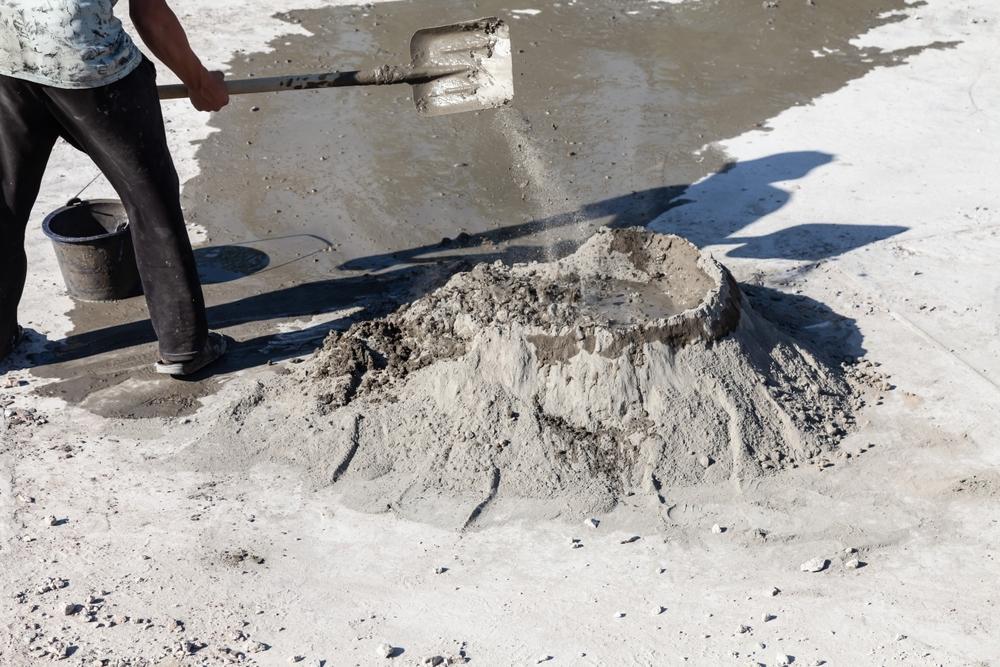
Image Credit: Shutterstock.com / Vladimir Konstantinov