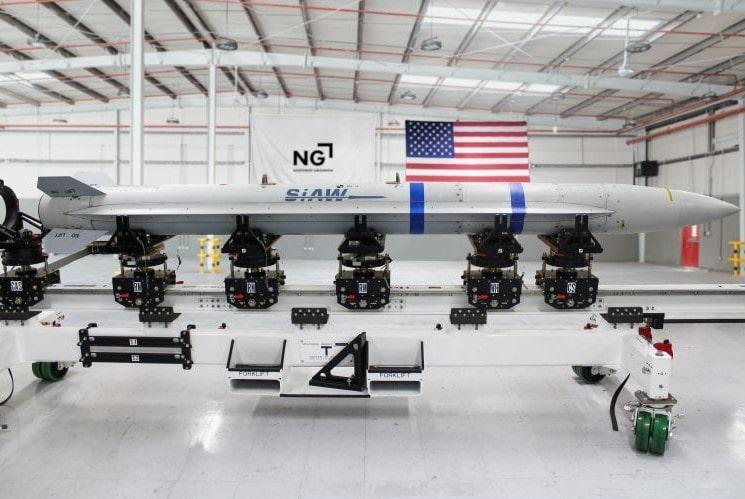
In a huge step towards modernizing the U.S.’s air defense suppression capabilities,Northrop Grummanrecently delivered the SiAW (Stand-in Attack Weapon) test missile to theU.S. Air Force.
This has officially started the project’s test program, which will verify the weapon’s compatibility with its launch aircraft and evaluate its overall performance.
What is SiAW?
TheSiAWis an advanced air-to-ground missile designed to counter enemy anti-access/area denial (A2/AD) environments. It can target and destroy mobile assets like radars, command centers, and missile batteries that support integrated air defense systems.
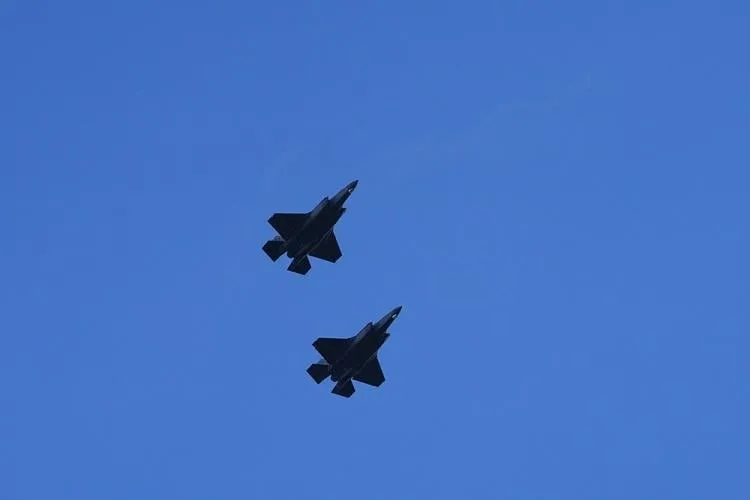
SiAW is being developed for stealth fighters like the F-35, which can slip past hostile air defenses undetected to launch precision strikes. Northrop aims to complete development and get the missile out on the field by 2026.
How SiAW Will Be Used
Since it can allow these stealth aircraft to penetrate heavily defended areas, the Air Force is hoping that the SiAW will help neutralize threats and weaken enemy defenses in zones guarded by modern military strategies. These could include high-techsystemslike radars, missile batteries, or command centers.
The stealth planes will be able to infiltrate these areas without being easily detected, and take out enemy infrastructure. This capability will provide non-stealth aircraft—ones with more chance of being detected and attacked—with safe zones to operate.
The SiAW Contract
Northrop received a $705 million development contract to create SiAW in September 2023. The missile is designed as a successor to the AGM-88G Advanced Anti-Radiation Guided Missile Extended Range (AARGM-ER).
While the AARGM-ER is used on various fighter jets, including the F-16 and F/A-18, the SiAW is specifically made to work with stealth F-35A, and to be compatible with its internal weapons bays.
SiAW Flight Test Program
The delivery of the SiAW has commenced its flight test program—a rigorous process to confirm that the missile can indeed perform as intended, and make the necessary verifications that the launch aircraft can safely carry and release the weapon.
After successful flight tests, the next steps will include integrating the system into theAir Force’s operations and going ahead with rapid prototyping to ensure the missile is ready for deployment by 2026.
Image Credit: Northrop Grumman