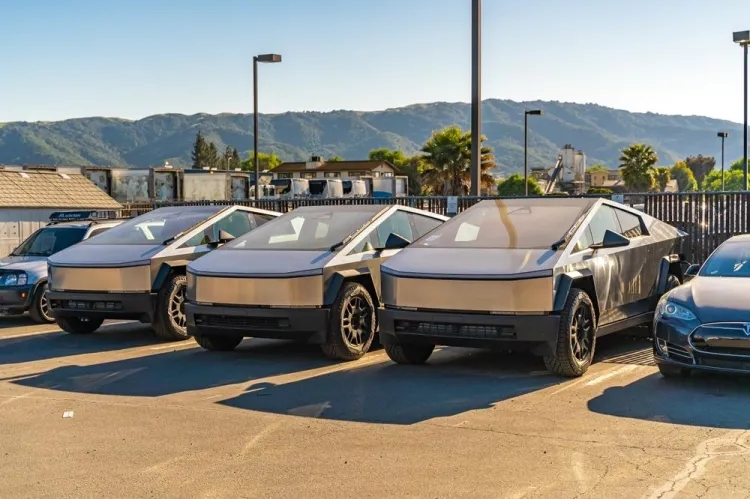
To achieve long-term sustainability and help avert climate catastrophe, the world is switching to electric vehicles. Consumers are readily embracing the electric revolution, and 2022 sales surged by 55% relative to the previous year, according to the International Energy Agency’s Global EV Outlook report. Including battery electric vehicles (EVs) and plug-in hybrid vehicles (PHEVs), more than 10 million electric cars were sold last year.
Upwards of 26 million electric cars traveled the highways and byways in 2022, representing a promising increase of 60% compared to 2021. Explosive growth should continue, with a projected 14 million EV sales in 2023. Non-traditional EV adopters, like India, Thailand, and Indonesia are also progressing. In Norway, EVs already comprise about 80% of car sales.
They may be trending right now, but what does the future hold for EV adoption? Below we’ve outlined the advantages and disadvantages of electric cars.
The History of Electric Cars Is Cyclical
The first small-scale electric vehicles date to the first few decades of the 1800s, though it wasn’t until 1890 that William Morrison of Des Moines, Iowa, unveiled the first practical EV, an electric wagon with a battery and electric motor powering the rear right wheel.
It wasn’t successful, but by the turn of the 20th century, a third of vehicles were electric — including fleets of electric taxis. The first hybrid electric car followed in 1901, designed by Ferdinand Porsche of the eponymous sports car lineage. But further advances, including the electric (ironically) starter and the discovery of cheap oil sources, led to the obsolescence of early 20th-century EVs.
More than a century later, America and the world aspire to beat those fin-de-siecle figures, as governmental agencies hope that electrics will comprise 50% of total car sales by 2030. To help, tens of billions of dollars have been pledged to improve batteries, automobiles, chargers, infrastructure, manufacturing, and public EV acceptance.
As detailed below, various advantages and disadvantages abound for those seeking to renounce fossil fuels, enjoy better fuel economy, slash pollution, and ride the wave of the future.
Advantages of Electric Cars
Alexander Steamaze / Shutterstock.com
Reduced Carbon Footprint
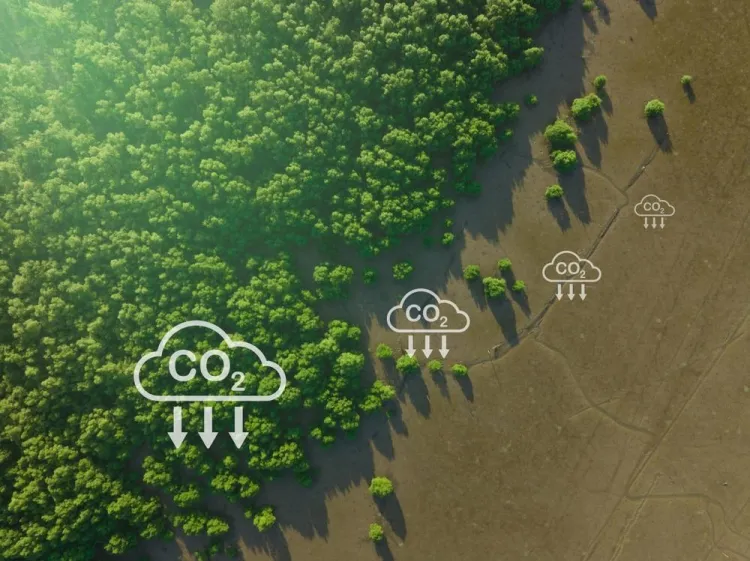
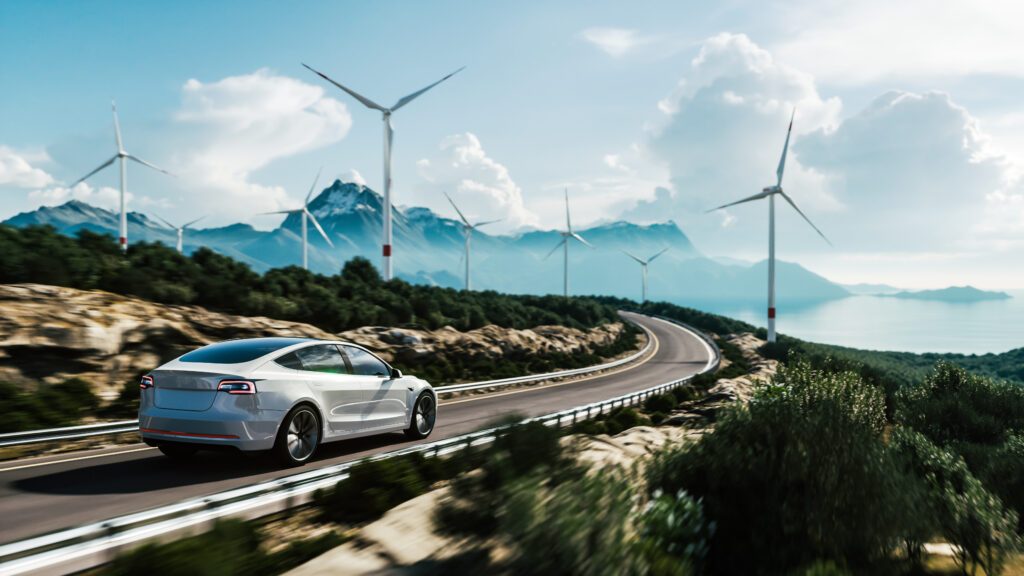
EVs have electric motors and do not produce tailpipe emissions, though they are responsible for "upstream emissions” because generating electricity to charge EVs can create carbon pollution. The pollutive output depends on how that electricity is generated. Electricity could be generated using coal, natural gas, or a cleaner, renewable source like solar or wind. Potential consumers can extrapolate their impact via the U.S. Department of Energy’s Beyond Tailpipe Emissions Calculator.
The outlook is bright: in 2020, "renewables became the second-most prevalent U.S. electricity source,” and increasing reliance on such sources could reduce greenhouse gas emissions even further.
However, the creation of an electric car can yield more carbon pollution than a gasoline-powered car due to battery manufacture. Additionally, EVs have higher end-of-life impacts owing to unique recycling or disposal considerations for batteries.
In terms of annual emissions per vehicle, in pounds of CO2 equivalent, an electric car may produce around 2,800 pounds of CO2 equivalent, compared to around 12,600 pounds for conventional vehicles.
Lower Fuel Costs
The favorable, ever-improving efficiency of electric-drive components can reduce emissions and fuel costs drastically. Electric motor efficiencies are measured via alternative fuel economy metrics, such as miles per gallon of gasoline-equivalent (MPGe) and kilowatt-hours (kWh) per 100 miles. In these terms, EVs can achieve and often exceed 130 MPGe.
Additionally, an EV may only consume 25-40 kWh while traveling 100 miles. The fuel-cost advantage extends to hybrid electric vehicles (HEVs) as well as plug-in hybrid electric vehicles (PHEVs), which vary but generally trump their gas-powered counterparts. An HEV such as a 2021 Toyota Corolla Hybrid, for example, gets 52 miles per gallon.
Low Maintenance
EVs also require less maintenance. According to a Consumer Reports analysis from 2022, electric owners could stand to lower their operation and maintenance costs by $1,800 to $2,600 per 15,000 miles driven, compared to owners of a gasoline-powered car. For additional perspective, 15,000 miles is the average distance that newer cars are driven in a year.
Electric motors have fewer parts than their internal combustion engine counterparts, limiting the avenues for failure. EV batteries have service lives of 12-15 years if driven in moderate climates, or 8-12 years in more extreme environments, but may require little-to-no maintenance during their life cycle.
Drivers can also extend their battery life through numerous means, including judicious use of fast-charging stations, which degrade batteries and cost several times more than other charging methods. EVs also create less wear and tear on brake pads and rotors, as deceleration is partially achieved through the regenerative braking function, which uses kinetic (motion) energy to slow the car and contribute to the battery pack.
Consumer Reports estimates that an EV will have an average lifetime maintenance and repair cost of $4,600 or $0.031 per mile. Compare that to a traditional gasoline engine vehicle, which doubles the cost to $9,200 or $0.061 per mile.
Reduced Noise Pollution
In addition to harmful emissions, gas-powered cars produce may produce noise pollution. A gas-powered car moving at freeway speed may produce 89 decibels, the equivalent of two people shouting at each other. About half the U.S. population is exposed to traffic sounds that are injurious to their health.
EVs tend to produce less noise due to their lack of an internal combustion engine — so much so that the National Highway Traffic Safety Administration mandates that slow-traveling EVs make noise (43-64 decibels) to warn pedestrians that they are approaching.
Yet the audible EV advantage is murkier at higher speeds, as factors like tire and wind noise scale exponentially with velocity. In addition, road integrity is crucial, since cracks and other defects increase automobiles’ acoustic impact.
Government Incentives
Since the enactment of the Inflation Reduction Act in August 2022, over "$45 billion in private-sector investment has been announced across the U.S. clean vehicle and battery supply chain.”
The act features made-in-America provisions and aims to make electric cars more available and affordable for people and companies. For example, for autos to be eligible for clean vehicle credits, they must undergo final assembly in North America and fall within suggested price caps: $80,000 for vans, trucks, and SUVs or $55,000 for other vehicle types.
Additionally, consumers will be able to save $7,500 on the purchase of a clean vehicle, along with hundreds of dollars in yearly gas savings. Vehicle eligibility for such credits depends on meeting sourcing requirements for critical minerals and battery components.
Disadvantages of Electric Cars
RossHelen / Shutterstock.com
Higher Upfront Cost
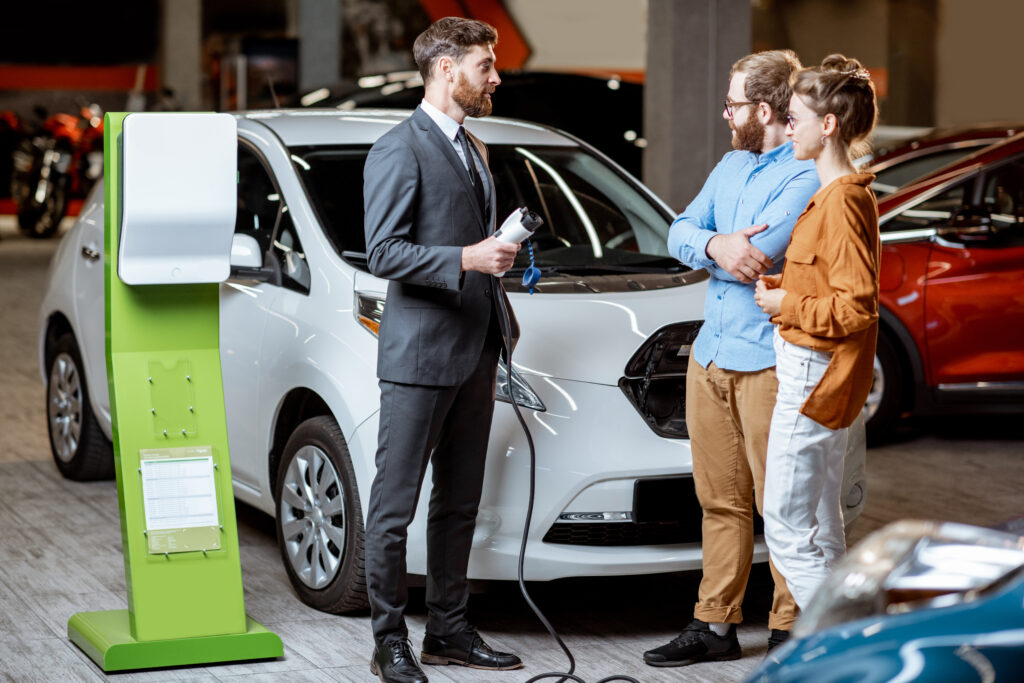
More intimidating upfront prices are due to the manufacturing costs of EV batteries, which require high-demand minerals like lithium, cobalt, manganese, graphite, and nickel. In 2020 Consumer Reports found that electric vehicles cost 10-40% more than similar cars. And Kelly Blue Book reported that the average EV price was $18,000 higher "than the average for cars generally.”
The power plant is the most price-intensive feature of any vehicle, potentially accounting for one-third of its price. And battery packs incur higher rates due to raw materials, precision, the energy required for manufacture, and complex refining processes.
Other factors for higher upfront pricing include manufacturers trying to offset their costs; with fewer EVs produced than conventional cars, the costs are less spread out, and supplier rates are less favorable. Alternatively, electric cars may be part of their manufacturer’s more expensive luxury lines. Finally, mineral and production equipment prices are in constant flux.
But as various mineral sources become available, and alternative battery chemistries are developed, electric car prices may be more in line or equal to conventional car prices around 2026.
Range Limitations
Among the most significant drawbacks, real or perceived, is the mileage limitation of electric models. Some may cover only half the driving range of an internal combustion engine (ICE) vehicle before needing a recharge, and it is still significantly easier to find a gas station than it is to find a charging station.
Yet the ranges have increased dramatically over the past decade and continue to do so. Currently, most popular and affordable EVs achieve between 200 and 300 miles. Two outliers at opposite ends of the spectrum include the Mazda MX-30, with its 100-mile range, and the Lucid Air Dream Edition Range, with its 520-mile capacity.
Interestingly, electric vehicles flip the script in city versus. highway efficiency: since electric vehicles capture the energy of deceleration, they enjoy better mileage in urban environments.
Lack of Charging Infrastructure
An electric vehicle may only be as good as its charging station. But there’s a shortage of charging stations and inadequate infrastructure hindering an EV-focused future. There are around 150,000 chargers in the U.S., but America will need about a million more to support the projected prevalence of electrics by 2030. Additionally, the lack of standardization means there are now "more than 65 public charging networks, and each is an independent business.”
Fortunately, the Bipartisan Infrastructure Law will fund hundreds of thousands of charging stations and bring unifying standards, regulations, and equity nationwide.
Long Charging Times
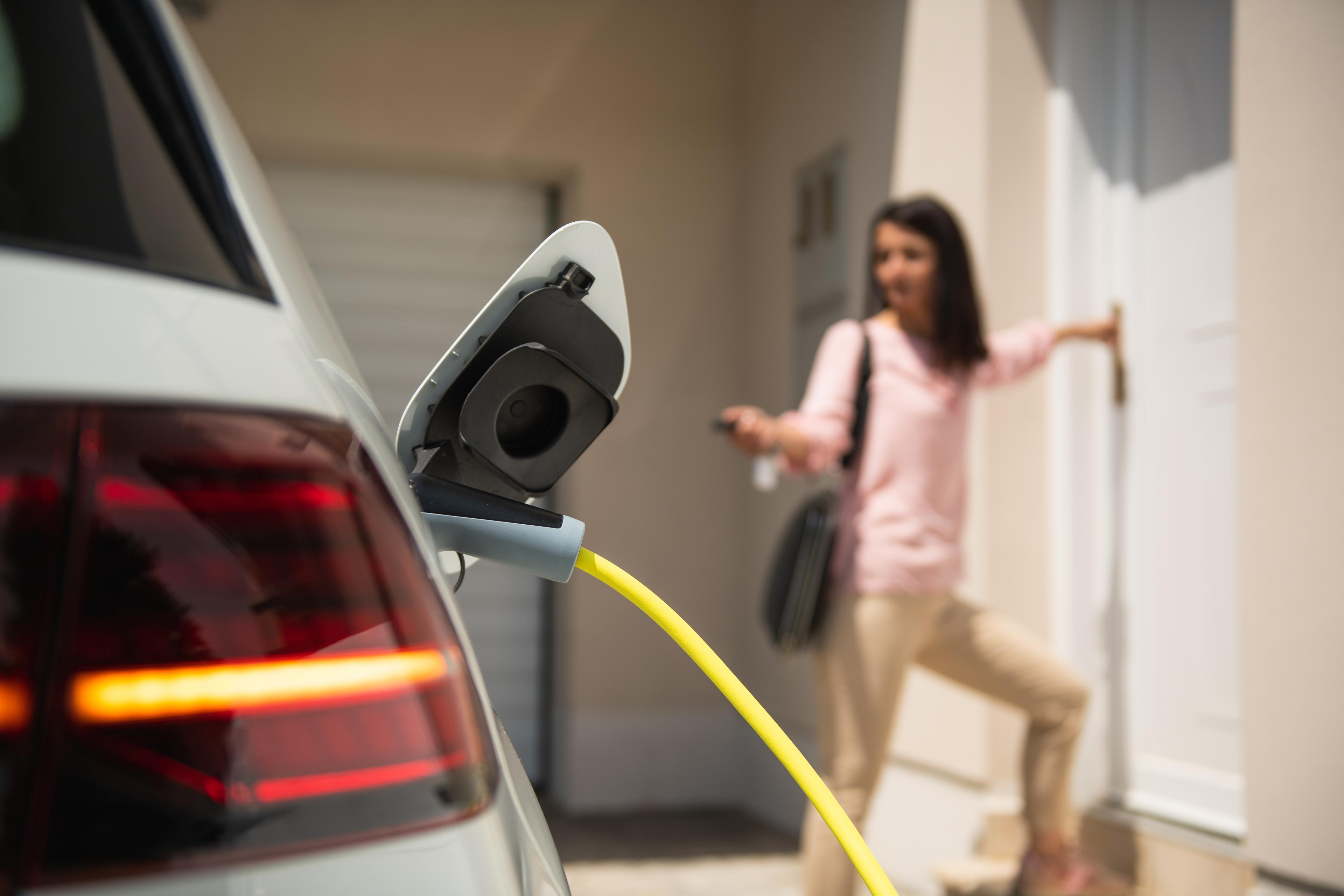
Charge times can be prohibitive: Level 1 chargers work through residential 120V AC outlets and may require 40-50+ hours to charge a battery pack to 80%. Level 2 equipment offers 240V or 208V charging, commonly found in residential, public, and work settings. Level 2 may require 4-10 hours for an 80% charge in an EV. Level 3 chargers, also known as Direct Current Fast Chargers (DCFC), can achieve 80% charge in 20 minutes to an hour and are located along well-trafficked corridors.
"Charge point unreliability has increased 50%” over the past couple of years, from 14% circa 2021 to 21% in January 2023. These figures show that more than one in five charge attempts are unsuccessful, primarily due to malfunctioning or out-of-service chargers — especially as older chargers fall into disrepair.
Battery Replacement Costs
Batteries comprise the lion’s share of electric car costs and, like all things, naturally and inevitably degrade.
Degradation occurs as a function of time, use, and exposure to extreme conditions such as heat or cold. Depending on size, manufacturer, and other criteria, replacing a battery could cost between $5,000 and $20,000. However, manufacturer warranties may defray the replacement cost and generally cover eight years and 100,000 miles.
Increased electrification has also caused a current, counter-intuitive rise in second-hand battery costs. As more people buy electric cars, more people are replacing their batteries. Plus, second-life battery storage companies are buying up supplies, leaving electric car owners competing to find replacements for their vehicles.
Impact of Electric Cars on the Automotive Industry
Changes in Manufacturing Processes
Electrics are changing manufacturing processes, increasing from 0.2% of total car sales back in 2011 to 4.6% in 2021. Future estimates range, sometimes wildly, because the EV industry is at the whim of material costs, policies, consumer capriciousness, automaker output, infrastructure, and other considerations.
Tackling the challenge involves improving safety, self-driving systems, battery performance, and more. Increased battery production and efficiency will emphasize chemical engineering sciences, as well as innovative recycling and disposal methods.
Integrating the many features of electric cars will also require an improved focus on software development and assimilation. And, as previously mentioned, infrastructure is essential, with urban and regional planners ascertaining the unique charging needs of each community to expedite the adoption of renewable energy sources.
Electricians, electrical installers, and various disciplines of construction specialists will also be necessary to expand power grid capacity, install a nationwide electrical network, and integrate these burgeoning features with existing infrastructure.
New Job Opportunities
New policies, like the Bipartisan Infrastructure Law and the Inflation Reduction Act, will bring in billions in investments and bolster made-in-America provisions, creating many green job opportunities across the United States.
Automakers have announced $88 billion in investments, with production lines and factories set to open in 15 states over the next five years. Hundreds of thousands of opportunities could materialize, variously focused on producing electric cars, charging technologies, batteries, and other essentials.
For example, a new Ford battery manufacturing facility in Michigan and a Tesla complex expansion in Nevada could generate approximately 5,500 combined jobs. A Hyundai Motor Group facility will create more than 8,000 new jobs, while an upcoming Scout Motors EV factory could employ 4,000 people.
The Inflation Reduction Act of 2022 will also reconfigure current factories to allow for electric car manufacture, saving many jobs. The 2021 Bipartisan Infrastructure Law has helped create 94,000 jobs and provided $7.5 billion to build 500,000 EV chargers as well as $5 billion for clean-energy school buses.
An estimated 22 million EVs could be plying the roadways by 2030, directly and indirectly leading to more than 650,000 employment opportunities.
Increased Demand for Components for Electric Vehicles
The EV parts and components market was valued at $122.53 billion in 2023 and is projected to reach a value of $318.47 billion in the next five years, according to Mordor Intelligence.
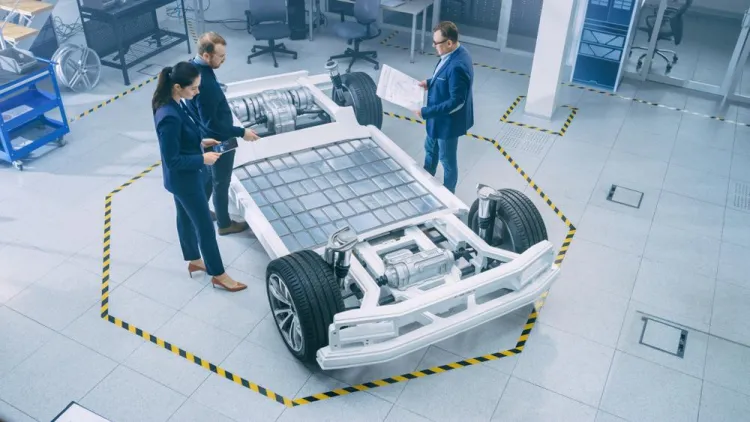
Electric vehicles rely on multiple main power components that transform electrical energy into the kinetic force that propels the car. These components include the battery and motor, an onboard charger, power electronics, converters, inverters, and the electric power control unit (EPCU).
Many OEMs are surfing the EV wave, and some like Volvo, General Motors, and Mercedes-Benz plan to go entirely electric over the coming decade or so, with others like Volkswagen and major Asian auto producer Mahindra & Mahindra announcing significant shifts toward EV manufacture. Other global companies, like Amazon, will invest heavily in fleet electrification.
But suppliers may be pushed past their limits, as there may be 5 million passenger EVs by the close of 2025. It’s projected that by that time they will comprise 15% of overall vehicle sales.
Collaboration Among Automakers and Tech Companies
The evolution of the electric car market is inspiring collaboration across makers and tech companies. Honda has partnered with General Motors to make use of the latter’s proprietary Ultium batteries, which promise better long-range travel.
Honda has also partnered with LG Energy Solution to furnish upcoming Acura models with lithium-ion batteries. Another joint venture with Sony will produce EVs under the Afeela brand, with more tech than ever, including 45 cameras and sensors.
Collaborations are essential at all levels, as per the Vehicle to Everything (V2X) Memorandum of Understanding (MOU), enacted by the Department of Energy, its labs, municipal institutions, and other partners (including private) to "integrate bidirectional charging into energy infrastructure.”
Hoping to achieve this common goal, last year Toyota formed a utility agreement with Oncor Electric Delivery, developing vehicle-to-grid (V2G) systems that direct energy from electric cars back into the grid and then to homes, communities, and other civic institutions.
Impact on the Oil and Gas Industry
The transportation sector accounts for 70% of the consumption of gasoline, diesel, and other petroleum products, and 30% of total U.S. energy needs. As of 2020, American oil exports exceed imports, with the latter at 7.86 million barrels per day. Globally, transportation is responsible for 60% of oil demand.
Most people today still drive fuel-powered cars. The surge of EV ownership, especially when combined with electric buses and trucks, could sever some of these ties to fossil fuels. This would help "avoid the need for at least 5 million barrels a day of oil” by 2030. Other projections show EVs replacing 1.5 million barrels of oil daily, and 21 million barrels per day by 2050. Emerging electric fleets could also lead to a 34% decline in crude oil demand by 2030.
Electric Cars and the Supply Chain
Changes in Logistics and Impact on Manufacturing and Assembly
Increased EV production is shaking up the supply chain. Under threat are makers of ICE technologies such as "exhaust systems, fuel systems, and transmissions,” all of which are lacking or wholly modified in electric automobiles. According to PwC analysis, "EVs may represent approximately 14% [of] global new vehicle sales in Europe and China by 2025,” and ICE suppliers will be at risk if they cannot adapt.
EVs generally have single-speed transmissions and no need for superchargers or other oxygen-inhaling mechanisms. Similarly gone are the waste-gas-removing exhausts. Electric motors are also simpler, in numerical terms; compared to a conventional gas engine composed of 113 parts, the Chevrolet Bolt engine has only 3 parts.
Adding further uncertainty to conventional car manufacturers, PwC forecasts that a "car’s value attributable to the powertrain and electronics will rise significantly by 2025, to a combined 52% from 44% in 2015, at the expense of the chassis, body, and interior components…” The push toward electrification threatens legacy suppliers too, as batteries are derived outside the traditional auto supply chain.
An increased EV market also changes the industrial landscape. In 2022, nearly $130 billion was invested in battery plants. "A battery plant can cover 4.5 million square feet, roughly the size of 25 Walmart Supercenters,” and more than 120 such facilities could be necessary.
Conceptualization is as vital as realization, so EV makers are also diverting significant funds toward building design and research centers developed to inspire creativity and camaraderie — such as Ford’s under-construction, $100 million Ion Park in Romulus, Michigan.
Supply Chain Transparency
The supply chain relies on transport, and transport relies on carbon. If a 1.5°C increase in global temperatures is to be averted, over 300 million internal combustion engines must be replaced by electric cars. Such an effort necessitates transparency and efficiency in the supply chain, which can be described in four categories:
Upstream: Mining of the raw materials necessary for battery manufacture. These indispensable minerals include lithium, cobalt, manganese, and graphite.
Midstream: This step is mediated by various players and agencies, including the commodities traders that divert the flow of materials to technological firms. Processors and refiners purify the raw mineral mining output, turning the treated materials into battery components.
Downstream: Here, the battery cells are turned into modules, packed, and shipped to automakers, who insert the batteries into their vehicles. Some manufacturers, including Ford, have partnerships to produce their own batteries.
End of life: The batteries that are no longer viable must be recycled or disposed of in an environmentally suitable fashion. Transparency can also ensure that workers receive fair treatment and that ecological concerns are observed.
Sustainability in the Supply Chain
Supply chain sustainability is another weighty challenge to be resolved. One roadblock is the scarcity of precious metals, as availability may not meet projected demands. The post-pandemic semiconductor shortage is an example of production and supply hiccups centered around material scarcity.
And as "global battery production is expected to increase 14-fold between 2018 and 2030,” gigantic factories are appearing worldwide, competing for limited resources and production equipment, seeding future bottlenecks for makers of electric cars.
Sustainability and stability go hand in hand. Materials are generally collected from specific sources, and if major movers such as China secure them, other producers are left wanting. Sanctions and geopolitical issues can further complicate matters. Unforeseen consequences such as the COVID-19 pandemic or the 2021 Suez Canal obstruction can also play a role.
Regulations and Standards
Regulations and standards will also play a role. A proposed EU Regulatory Battery Framework would set strict targets on recycling efficacy and recycled content within new batteries.
In the United States, the National Electric Vehicle Infrastructure (NEVI) Formula Program espouses the creation of a "convenient, affordable, reliable, and equitable network of chargers” across America. Disparities are currently common, as there have yet to be national standards for installing, operating, or maintaining EV charging stations.
Critical mineral availability is also to be indirectly regulated. For a vehicle to meet the requirements of the Inflation Reduction Act, at least 80% of the market value of its critical minerals will have to be sourced or processed in the United States or come from free-trade partners.
The Future of the Electric Vehicle
According to McKinsey & Company, EV sales have grown by more than 40% per year since 2016. A significant switch from ICE to EVs will take time, but promising progress has been made; in 2021, electric vehicle sales doubled from the previous year.
And by 2024, consumers could have more than 100 electric options. Optimistically, half of all car sales could be electric by 2040. Not that consumers will have to suffer for choice, as the possible variety could be truly great and increasingly cost-effective. And with less maintenance and better performance, EVs are growing more irresistible every day.
Indeed, worldwide sales have risen propitiously over the last few years despite various hurdles. For perspective, only 130,000 electric cars were sold globally in 2012, and in 2021 more than that were sold each week.
Efficiencies have improved markedly, doubling battery energy densities and electric vehicle ranges of a decade ago. Furthermore, newer chemistries promise exponential efficiency advances and reduced use of critical metals — and none too soon, given material constraints. Billions of invested dollars bolster infrastructure, and evolving policies support similar progress across many regions.
Keeping current with EV advances can prove influential in both personal and global terms. Many automakers plan to go completely electric in the next few decades. In some places, electric cars will be mandated. And with burgeoning policies, incentives, and infrastructures, a bird’s eye view in 2050 could glimpse an overwhelmingly electric flow of traffic.