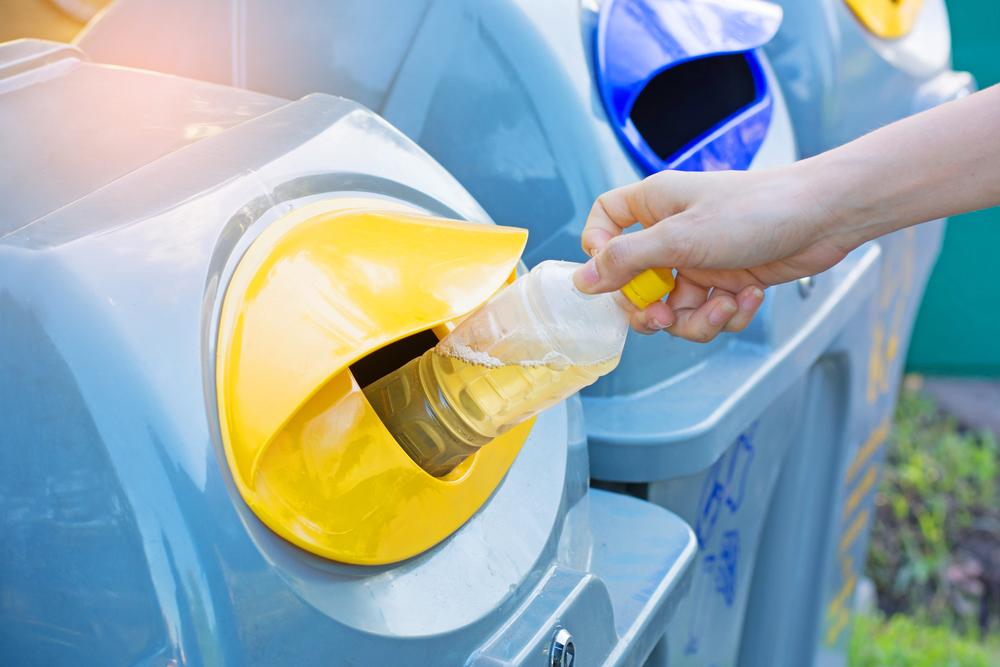
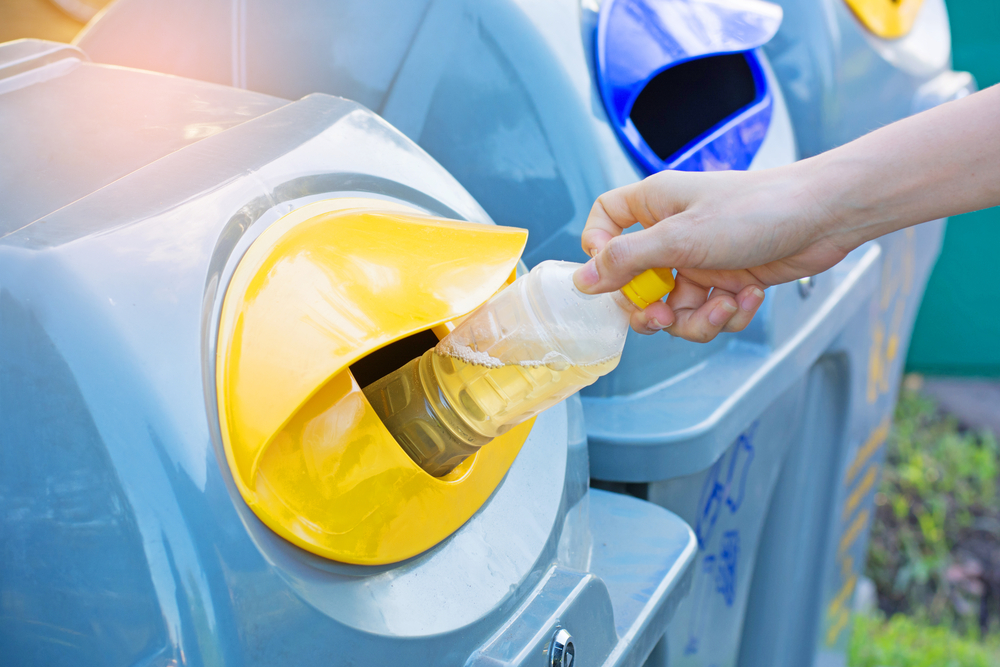
As various companies aim to lower their environmental impact, recycling has become crucial to reducing waste and promoting sustainability. Plastics, one of the most prevalent and versatile materials in our daily lives, play a significant role in this endeavor. However, not all plastics are created equal when it comes to recycling.
Understanding the different types of recyclable plastic and their unique characteristics is vital to maximizing recycling efforts and minimizing negative environmental impact. From polyethylene terephthalate to polystyrene, this is what businesses and consumers alike need to know about the most common plastics and how to recycle them.
1. Polyethylene Terephthalate
Polyethylene terephthalate, or PET, is a widely used and easily recognizable type of plastic. It is commonly found in everyday products, particularly plastic bottles, food containers, and polyester fibers. PET’s popularity stems from its desirable properties, including its lightweight, transparency, and resistance to moisture and chemicals. These characteristics make it an ideal choice for packaging materials.
Fortunately, PET is highly recyclable, contributing to its environmental sustainability. The recycling process for PET involves collecting used bottles and containers, cleaning and sorting them, and then breaking them down into small flakes or pellets. These recycled PET materials can be transformed into new bottles, containers, and other products like polyester fiber for clothing, carpets, and upholstery.
2. High-Density Polyethylene
High-density polyethylene, or HDPE, is a versatile and durable type of plastic known for its strength and resistance to impact and chemicals. It is commonly used to manufacture milk containers, shampoo bottles, and plastic bags. HDPE’s popularity in these applications can be attributed to its ability to provide a reliable barrier against moisture, chemicals, and UV radiation.
HDPE is also one of the most commonly recycled plastics. The recycling process for HDPE involves collecting used containers, such as milk jugs and detergent bottles, and sorting them based on their resin identification code. After sorting, the containers are cleaned, shredded, and melted to form small pellets. These pellets can then produce a wide range of new products, including new bottles, plastic lumber, pipes, and even automotive parts.
3. Low-Density Polyethylene
Low-density polyethylene, or LDPE, is a type of plastic known for its flexibility, toughness, and superior chemical resistance. It is commonly used in producing plastic films, such as plastic wrap and grocery bags, and squeeze bottles for products like shampoo and lotion. LDPE’s unique properties make it a preferred choice for applications that require stretchability and impact resistance.
Recycling LDPE presents its challenges due to its thin and flexible nature. However, recycling programs have been developed to address this issue. The recycling process for LDPE typically involves collecting plastic films and bags, then sorting and cleaning them to remove any contaminants. The material is then melted and formed into pellets or granules, which can be used to produce new LDPE products, such as plastic bags, composite lumber, and garbage can liners.
4. Polypropylene
Polypropylene, or PP, is a versatile and durable plastic used in various industries. It’s commonly found in yogurt containers, bottle caps, and automotive parts. PP offers excellent resistance to heat, chemicals, and impact, making it suitable for both food packaging and industrial applications. Despite its widespread use, recycling PP can be challenging due to its relatively high melting point. However, recycling facilities have developed efficient methods to process PP.
Recycling typically involves collecting PP products, sorting them based on their resin identification code, and then cleaning and shredding them into small flakes or pellets. These recycled PP materials can manufacture new products, such as food containers, plastic furniture, automotive components, and textile fibers. Recycling PP not only diverts waste from landfills but also conserves resources and reduces the demand for virgin plastic production.
5. Polystyrene
Polystyrene, or PS, is a lightweight and rigid plastic known for its excellent insulating properties. It is commonly used in foam packaging materials, disposable cups, and take-out food containers. PS offers good thermal insulation and shock absorption, making it an ideal choice for protecting fragile items during transportation.
However, PS presents significant challenges when it comes to recycling. The recycling of PS is often limited due to its low market demand, high transportation costs, and difficulties in sorting and cleaning. Additionally, PS foam, commonly known as Styrofoam, poses additional challenges due to its bulky nature and resistance to compression. As a result, PS foam recycling is relatively uncommon and typically requires specialized facilities. Nevertheless, some recycling initiatives have been established to tackle these obstacles. PS products can be collected, cleaned, and processed into tiny beads or pellets. These recycled materials can then be used to manufacture new PS products, such as picture frames, insulation, and office supplies.
6. Polyvinyl Chloride
Polyvinyl chloride, or PVC, is a widely used plastic known for its versatility and durability. It is commonly used in the construction industry for pipes, window frames, and vinyl flooring and in the healthcare sector for medical devices like IV bags and tubing. PVC’s popularity in these applications stems from its resistance to chemicals, weathering, and impact, making it suitable for indoor and outdoor use. However, the recycling of PVC poses unique challenges.
PVC recycling requires careful consideration due to the presence of additives and contaminants, such as plasticizers and stabilizers, which can affect the recyclability and quality of the material. Furthermore, different types of PVC may have varying recycling processes and limitations. Mechanical recycling is one of the standard methods for recycling PVC, involving collecting, shredding, and processing PVC products into granules or pellets for use in new PVC products. Alternatively, PVC can be subjected to a chemical recycling process to break it down into its base components for reuse.
Other Recyclable Plastics
In addition to commonly used plastics, there are several other recyclable plastics, often called miscellaneous plastics. These plastics are denoted by identification code seven and encompass a variety of materials, such as polycarbonate (PC) used in water bottles and food containers and bioplastics made from renewable sources.
To properly recycle miscellaneous plastics, these guidelines should be followed:
- Check Local Guidelines: Contact your local recycling facility or check their website to understand which plastics are accepted and how they should be prepared for recycling.
- Clean and Separate: Rinse containers to remove any remaining food or liquids. Separate different types of plastics to ensure proper recycling.
- Follow Sorting Instructions: Some plastics may require separate bins or collection systems. Follow the guidelines provided by your recycling program.
- Remove Non-recyclable Components: Remove any non-recyclable materials, such as metal or rubber, from the plastics before recycling.
- Recycle Responsibly: Place the recyclable plastics in the appropriate recycling bin or take them to designated collection centers or recycling drop-off points.
Recycling guidelines may vary by location, so it’s essential to stay informed about local practices and resources to ensure the proper recycling of miscellaneous plastics.
Plastic Recycling Symbols
Plastic recycling symbols, or resin codes, are numbers enclosed in a triangle with three arrows. These symbols provide valuable information about the type of plastic used in a product and aid in identifying and sorting recyclable plastics in recycling facilities. Each resin code represents a specific type of plastic resin used in manufacturing the product. The codes range from one to seven and are typically located on the bottom or side of plastic containers.
Here’s a breakdown of each resin code:
- Polyethylene Terephthalate (PET or PETE): This code indicates clear, transparent plastic in beverage bottles and food containers.
- High-Density Polyethylene (HDPE): This code represents opaque, sturdy plastics commonly found in milk jugs, detergent bottles, and plastic bags.
- Polyvinyl Chloride (PVC): This code signifies rigid plastics used in pipes, window frames, and medical devices.
- Low-Density Polyethylene (LDPE): This code refers to flexible plastics in plastic film, squeeze bottles, and shopping bags.
- Polypropylene (PP): This code represents durable plastics in yogurt containers, bottle caps, and automotive parts.
- Polystyrene (PS): This code indicates foam packaging, disposable cups, and packing peanuts.
- Other Plastics: This code encompasses a range of miscellaneous plastics, such as polycarbonate (PC) and bioplastics. Specific instructions for recycling these plastics may vary depending on local facilities.
Recycling facilities can quickly identify and sort plastics according to their resin type by including resin codes on plastic products. This sorting process is crucial as different plastics have distinct recycling processes and properties. The resin codes help recycling facilities efficiently separate and process different types of plastics, allowing them to be transformed into new products through recycling.
Additionally, these symbols aid in consumer education, enabling individuals to make informed choices and properly dispose of their plastic waste by placing them in the appropriate recycling bins or taking them to designated collection centers.
Recycling Challenges and Considerations for Plastic Waste
Recycling different types of plastic poses various challenges and considerations that impact the overall recycling process. Below are some key factors to consider.
- Contamination: Contamination remains a significant challenge in plastic recycling. Contamination occurs when non-recyclable materials, such as food residue or other types of plastic, mix with recyclable plastics.
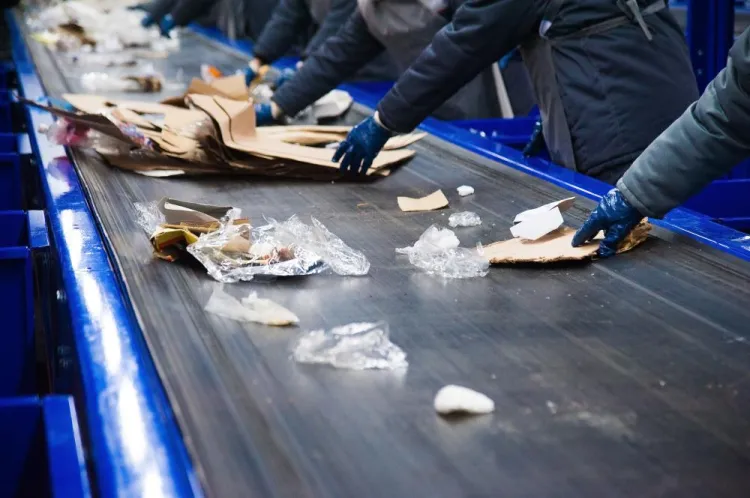
- Sorting Technology: Advances in sorting technology have greatly improved the efficiency and accuracy of plastic recycling. Automated sorting systems, such as optical sensors and infrared technology, can identify and separate different types of plastics based on their resin codes, colors, or other characteristics.
- Market Demand: The demand for recycled plastic plays a vital role in the success of plastic recycling efforts. Market demand refers to manufacturer and industry needs for recycled plastic materials to produce new products.
- Plastic Type and Recycling Infrastructure: The recycling infrastructure for different types of plastic may vary. Some plastics, like PET and HDPE, have well-established recycling processes and markets. However, other plastics, such as PS and PVC, face more significant challenges due to lower market demand or limited recycling capabilities.
- Global and Local Regulations: Recycling efforts can be influenced by regulations and policies at the international, national, and local levels. Governments play a crucial role in establishing recycling targets, implementing recycling programs, and enforcing rules to encourage proper waste management and recycling practices.
The More You Know About Recycling
Understanding the different types of recyclable plastic is crucial in promoting sustainable waste management and recycling practices. Each type of plastic, from PET to PVC, has unique characteristics, applications, and recycling considerations. Recognizing the resin codes and knowing the appropriate recycling centers can reduce plastic waste and conserve valuable resources.
However, recycling plastic has challenges such as contamination, sorting technology advancements, and market demand for recycled plastic that must be addressed for effective recycling. These obstacles can be overcome through education, innovation, and collaboration in creating a more circular economy.
More Plastic Insights
- How Plastic Recycling Equipment Works
- The Plastic Extrusion Process