Researchers from MIT announced the development of a technique that could offer reliable autopilots for flying.
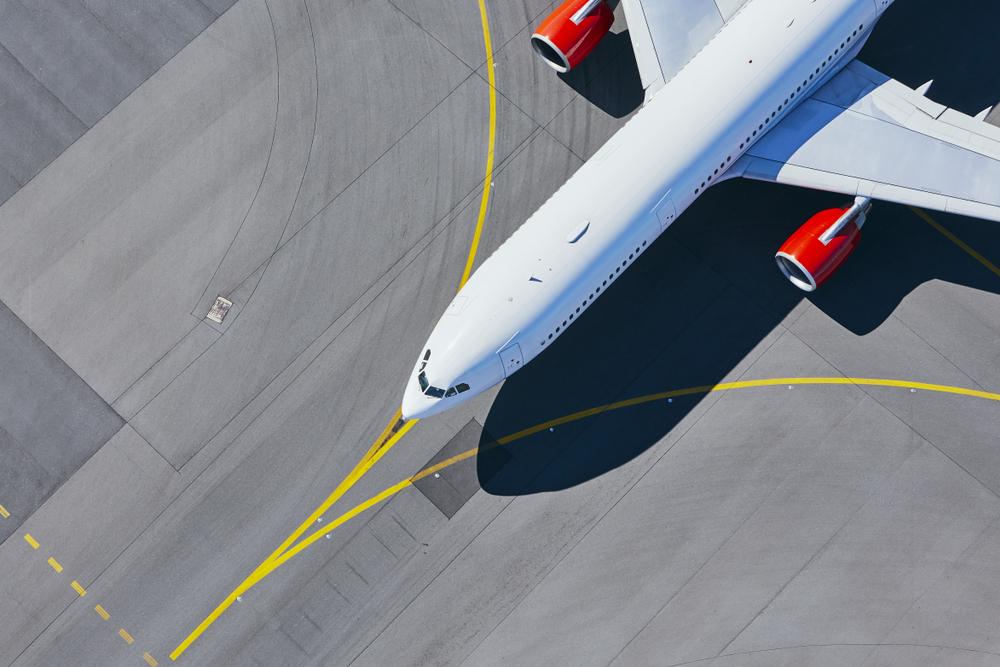
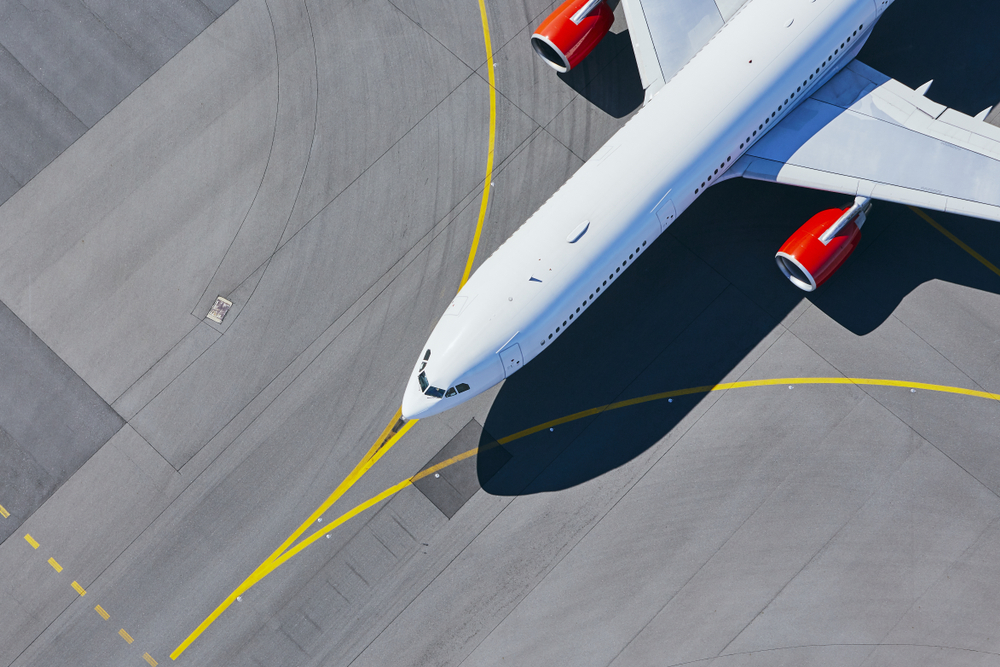
In an experiment, the researchers’ machine-learning technique successfully flew a simulated aircraft through a narrow corridor and avoided crashing into the ground.
The researchers began their process by reframing the stabilize-avoid issue as a constrained optimization problem. The constraints helped the object avoid obstacles while solving the optimization allowed it to achieve and stabilize to the goal.
The team then reformulated the constrained optimization issue into an epigraph form and solved it with a deep reinforcement learning algorithm.
However, according to Oswin So, the lead author of a paper on the technique, deep reinforcement learning is not designed to decipher the epigraph form of an optimization problem. As a result, the team derived the mathematical expressions that worked for their system.
The researchers created multiple experiments for the technique, including simulations that required an autonomous agent to make maneuvers and avoid obstacles in a goal region. One simulation tasked the jet aircraft with stabilizing to a target near the ground while flying at a low altitude in a narrow corridor.
The team said their method could serve as a starting point for controllers for delivery drones or for a car skidding on an icy road.