Image Credit: Lawrence Cruciana / Shutterstock.com
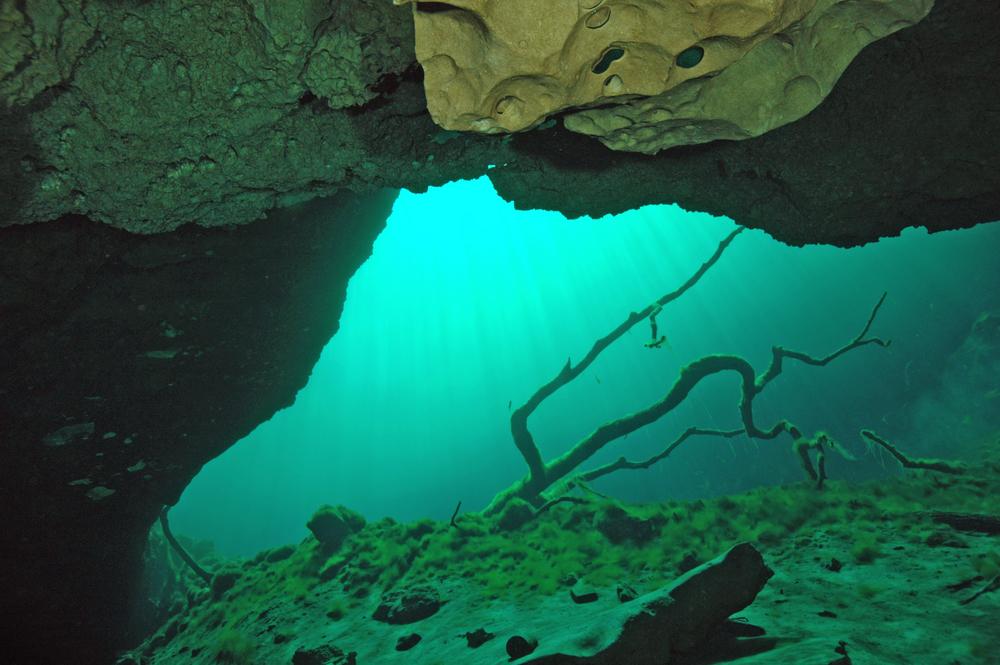
Government officials in Norway have embraced a controversial plan they say would ensure a domestic supply of the minerals needed to make the country more environmentally friendly. They intend to establish mining operations, the Associated Press reports, far below the sea’s surface.
The Norwegian continental shelf, an area of the Atlantic and Arctic oceans controlled by Norway — and home to its vast offshore oil and gas resources — also contains large deposits of cobalt, copper, manganese, zinc, and other minerals under the seabed that will be needed to produce batteries and other components for electrical systems that don’t rely on fossil fuels.
The head of the Scandinavian nation’s energy agency announced a proposal to allow deep-sea mining in some areas of the continental shelf, arguing that if mining could be done sustainably and profitably, it would bolster Norway’s economy, reduce its reliance on oil and gas, and ensure that a handful of potentially hostile nations doesn’t control the supply of those minerals.
The concept, however, immediately faced criticism from environmental groups warning of potentially catastrophic consequences to the water and aquatic life in the Arctic and North Atlantic.
The International Seabed Authority, a panel established by the United Nations to oversee deep ocean waters, is scheduled to discuss deep-sea mining at an upcoming conference in Jamaica.