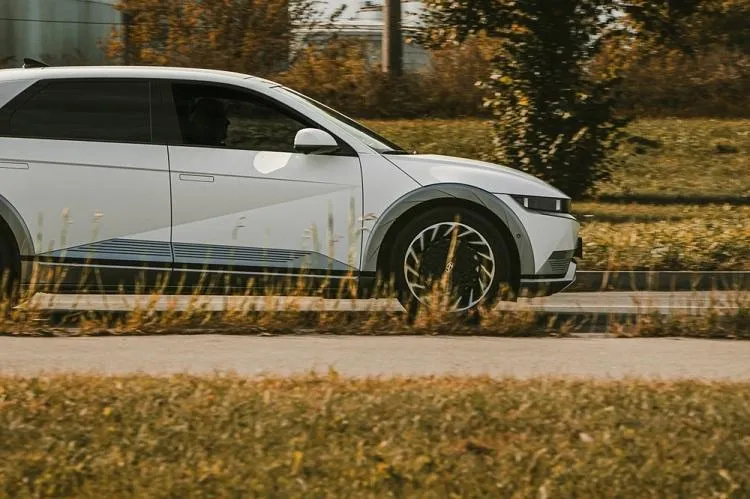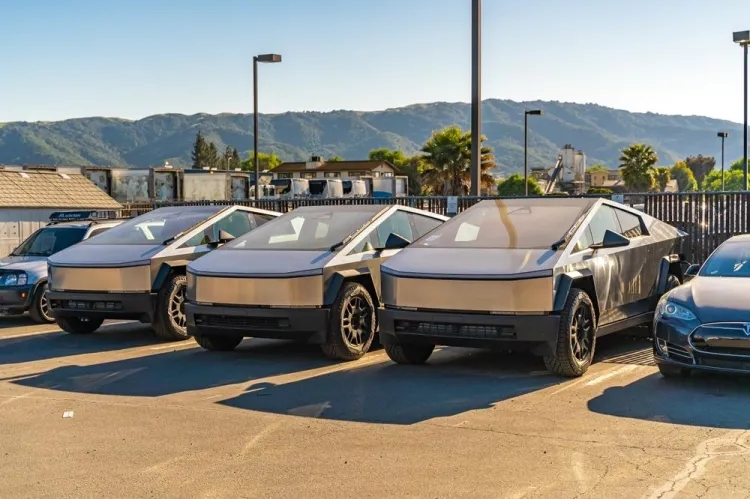
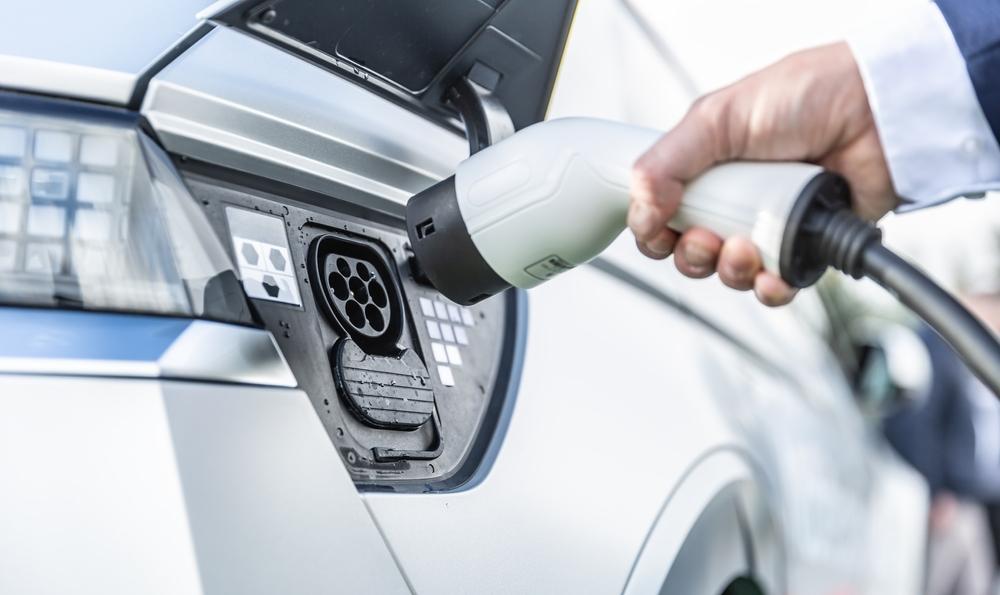
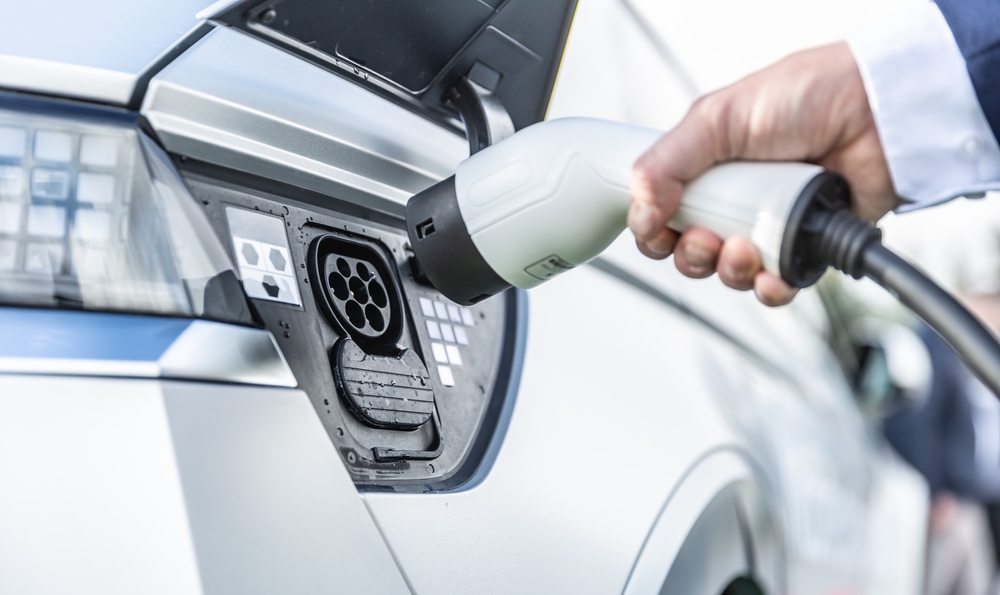
The electrification of transportation describes the process of replacing fossil fuels with electricity as the means to power light-duty vehicles, trucks, and buses.
It’s an inevitable transition, given growing concerns surrounding climate change, a rise in government-sanctioned regulations, and rapid technological advancements. Indeed, automakers around the world are committing an estimated $1.2 trillion through 2030 to the development of EVs.
Though these vehicles are heralded for their green and clean credentials, their rise comes with significant challenges. To meet growing customer demand, the transportation sector is tasked with overhauling its supply chains, addressing materials shortages, driving cost efficiencies, refining new technologies, and improving EV charging infrastructure.
Logistics and Supply Chain Considerations for Electric Vehicles
Transportation electrification has major implications for global supply chains. To successfully navigate the shift, automakers and auto suppliers must be innovative, forward-thinking, and agile.
Below are four important considerations.
1. Shifting Component Requirements
Small adjustments to existing automotive supply chains will not be sufficient to accommodate the seismic shift to transportation electrification.
Most notably, EVs have an electric motor rather than an internal combustion engine (ICE). This means that original equipment manufacturers (OEMs) and suppliers of ICE components — including exhaust systems, fuel systems, and transmissions — must prepare to pivot their service offerings or face obsolescence.
2. Building the Battery Supply Chain for Electric Vehicles
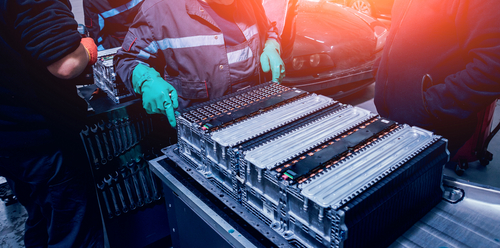
The single most important component of an EV is its battery. As the market expands, demand for key battery components, including lithium, manganese, cobalt, graphite, steel, and nickel, will skyrocket.
To ensure EV automakers can maintain efficient production and meet growing customer demand, they must establish reliable and cost-effective battery supply chains. This includes everything from the sourcing of raw materials and battery assembly to integration with EV control systems and distribution.
At present, the lithium-ion batteries used in EVs are primarily produced by suppliers outside of the automotive industry. This means that the advent of the electrification of transportation will create new competition for legacy suppliers.
3. Shipping and Logistics
The electrification of transportation will have a significant impact on long-established supply routes because the raw materials required for EV batteries can be sourced from mines all over the world.
Automakers must consider factors like route optimization, fuel consumption, loading/unloading, time, inventory management, and potential supply chain disruption.
Third-party logistics (3PL) companies can offer support here, ensuring secure and efficient transportation, managing inventory and storage, reducing costs, optimizing distribution networks, and limiting supply chain risk.
4. Technological Advancements
Technology will play a critical role in the development of EV supply chains. Analytics tools, for example, can improve customer experience and satisfaction, drive efficiency and accuracy, improve product quality, and mitigate risk.
To capitalize on the latest technology innovations and improve the customer experience, it’s anticipated that automakers and auto suppliers will increasingly pursue partnerships with tech companies, who are also at the forefront of battery development.
Government Policies and Incentives for Electric Vehicles
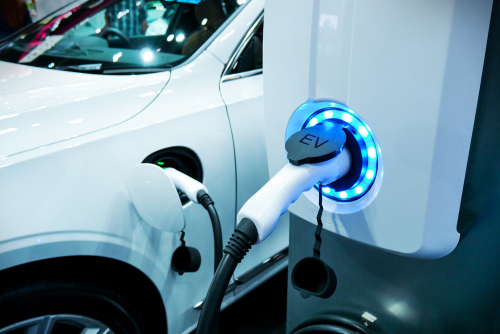
The most significant driving factors in the electrification of transportation are a rise in stringent government policies and regulations and large-scale investments in the development of EVs and EV public charging infrastructure.
The U.S. Environmental Protection Agency (EPA) and the Department of Transportation (DOT), for example, have issued a joint rule-making to set GHG emissions and fuel economy standards for vehicles, including cars, light trucks, and heavy-duty trucks. The regulations for light-duty vehicles alone are expected to cut six billion metric tons of transportation emissions over the lifetimes of vehicles sold between 2012 and 2025, double fuel efficiency, and reduce U.S. dependence on oil.
The Biden Administration’s $1.2 trillion Bipartisan Infrastructure Law will allocate $7.5 billion to develop the nation’s EV charging infrastructure. This will include the installation of 500,000 public charging stations. A further $10 billion will go toward clean transportation, and $7 billion will be invested in EV battery components, critical minerals, and materials.
More recently signed into law by the Biden Administration was the Inflation Reduction Act. This legislation notes an extension to the light-duty EV tax credit and provides up to $7,500 per vehicle after a sale through 2032.
Under this law, commercial EVs will be eligible for federal tax credits for the first time. The U.S. Postal Service will receive $3 billion to electrify its fleet, while $1 billion will go to states, municipalities, non-profit school associations, or Indian tribes to replace class six and seven heavy-duty vehicles.
Last July, nearly 20 states signed on to a plan that strives for 100% electric medium and heavy-duty vehicle sales by 2050.
Benefits of Transportation Electrification
Some of the benefits associated with the electrification of transportation include:
1. Reduced Carbon Emissions
Transportation emissions are responsible for around 28% of all GHG emissions in the United States. Although the manufacturing of EVs is environmentally taxing, any emissions released during the production process are neutralized when the vehicles are driven.
Research by Ford Motor Company and the University of Michigan confirms this. Their recent study revealed that the average light-duty EV has approximately 64% lower cradle-to-grave life-cycle GHG emissions than a comparative ICE vehicle.
2. Improved Air Quality
The electrification of transportation will improve the air quality in towns and cities because these vehicles do not have a tailpipe that produces carbon dioxide emissions.
A team of researchers from USC’s Keck School of Medicine found that, even at low penetration rates, EV uptake results in better air quality and better health.
3. Lower Operating Costs
Nationally, EVs are between three and five times cheaper to drive per mile than their gas-powered counterparts. In certain parts of the United States, including Arizona, Florida, and Tennessee, certain models are up to six times cheaper to drive.
According to Consumer Reports, the lifetime cost of ownership is between $6,000 and $10,000 cheaper than owning a gas-powered vehicle.
4. Increased Energy Security
The U.S. has long been dependent on fossil fuels, including oil, coal, and natural gas, for its energy production. But these materials, though proven to be highly efficient and effective, are finite resources, which means they will one day run out.
Fortunately, there is an abundance of renewable energy, such as wind and solar energy. Not only can these types of energy be generated and stored on U.S. soil, but they have the potential to fulfill the world’s energy needs indefinitely.
Challenges of Transportation Electrification
There are a few challenges associated with the electrification of transportation.
1. Insufficient Electric Vehicle Charging Infrastructure
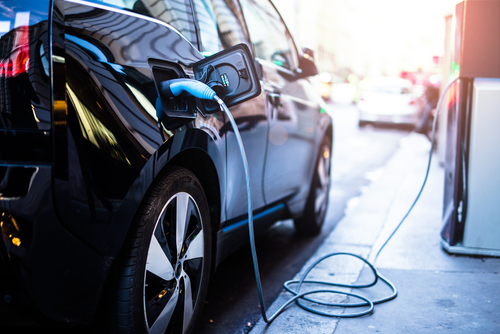
A lack of EV charging structure is a key barrier to the electrification of transportation. Around half of U.S. consumers said that battery or charging issues are a top concern surrounding the purchase of EVs.
McKinsey estimates that in the scenario in which half of all vehicles sold by 2030 are EVs, 1.2 million public and 28 million private EV chargers will be needed. That’s 20 times more chargers than the U.S. has currently.
2. Raw Materials Shortages
The lithium-ion battery supply chain is plagued with challenges, which means the rapid rise of EVs could see a concerning shortage of raw materials as soon as 2027. In March 2022, for example, copper prices reached an all-time high of $10,674 per tonne.
Rivian CEO RJ Scaringe recently warned that 90-95% of the battery supply chain “does not exist.”
3. Supply Chain Disruption
Global supply chains have suffered endless disruptions in recent years, which has compelled U.S. automakers to rethink their processes, shifting to just-in-case supply chain models and reshoring their operations.
Unfortunately, when it comes to EV production, their sourcing options are somewhat limited. By 2025, China will account for 56% of global battery production, while the U.S. will account for just 19%.
4. Developments in Battery Technology
To meet growing customer demands and expectations, automakers and auto suppliers must focus on developing batteries with better energy efficiency while maintaining stringent safety standards.
Another challenge comes with keeping pace with advances in charging infrastructure, as EV batteries must be compatible with their associated chargers.
5. High Upfront Costs
The high upfront costs associated with EV ownership remain a deterrent for many consumers.
At the end of 2022, the average price of an EV was $61,488, compared with $49,507 for all passenger cars and trucks. In addition, EV owners must factor in costly battery replacements, which will be a reality until the technology develops further.
If parity in the total cost of ownership cannot be reached, the pace of EV adoption will likely not accelerate.
6. Electricity Shortages
Between 2021 and 2030, EVs are projected to boost U.S. electricity use between 8% and 13%.
The increased demand for electricity threatens to overburden what some experts believe is an already failing grid. This could lead to an increase in power outages and failures.
7. Sustainability
There are several sustainability concerns surrounding the production of EVs.
Firstly, renewable energy production — though certainly on the rise — still needs to meet the growing electricity demand. This means fossil fuel dependency will remain for some years to come.
Secondly, extracting core raw materials — such as lithium and cobalt — for battery production requires huge amounts of energy and water, and working conditions in the mines often need to be improved.
Finally, recycling efforts for EV components could be more varied and consistent. Approximately three billion batteries end up in a landfill every year, and it’s estimated that the EVs bought in 2019 alone will generate 500,000 metric tons of battery waste.
3 Top Trends in Transportation Electrification
The top trends in the electrification of transportation include:
1. Reshoring and Nearshoring
Both ongoing supply chain disruptions and new government legislation are triggering a rise in reshoring and nearshoring efforts.
To qualify for the federal tax credits listed in the Inflation Reduction Act, for example, automakers must source or process at least 40% of their EV battery components in the U.S. or in countries with which the U.S. has a free trade agreement. This will increase to 50% in 2024, 80% in 2027, and 100% by 2029.
Fortunately for automakers in the United States, Canada is in the top five countries producing raw materials, including cobalt, copper, graphite, precious metals, nickel, and uranium. It also has the potential to expand into lithium, magnesium, and rare earth production.
Several leading automakers are establishing battery-production facilities on U.S. soil. Last year, for example, Toyota announced it would be investing $1.29 billion to develop a battery factory in North Carolina, creating 1,750 new jobs and producing enough lithium-ion batteries for 800,000 EVs and hybrid vehicles every year.
2. Sourcing Alternative Materials
Because many of the raw materials required to produce lithium-ion batteries are in increasingly short supply, automakers in the U.S. are considering cheaper and more readily available alternatives.
For example, battery manufacturers are already experimenting with various elements, such as sodium, sulfur, and graphene batteries to reduce dependency on scarcer materials.
Solid-state batteries, for example, can store more energy with fewer materials, charge quickly, and decrease the carbon footprint of an EV battery by 24%.
3. Sustainability Efforts
In the coming years, a greater number of automakers will focus on making a sustainable transition to the electrification of transportation.
Several entities within the transportation sector are already expanding their facilities to accommodate large-scale battery recycling operations. The U.S. Energy Department, for example, recently launched a research center on lithium-ion battery recycling.
McKinsey predicts that the recycling market will triple in size in the next 15 years when more batteries reach their end of life. As well as addressing sustainability concerns, this promises to reduce the high costs associated with battery production.
The Future of Electric Vehicles
The electrification of transportation promises many benefits, namely fewer GHG emissions, reduced air pollution, lower operating costs, and long-term energy security.
However, the future of EVs is uncertain. Widespread adoption is being stalled by materials shortages, concerns over the total cost of ownership, lack of EV charging infrastructure, insufficient renewable energy, and supply chain disruptions.
Though the path to the electrification of transportation looks set to be a long one, automakers and policy-makers must take immediate steps to address these challenges and ready themselves for the future. The return on investment (ROI) won’t be realized immediately, but it will set the stage for all future successes.
Get More Electrification Insights
- Electrification of Buildings: Benefits, Challenges, and Future Trends for Sustainable Design
- Electrification of Heating: Advantages, Challenges, and Logistics Considerations
- Electrification of Everything: Supply Chain Challenges, Opportunities, and Future Outlook