
Over the past few years, it has become more critical than ever to optimize supply chain operations and improve traceable technology. And as consumers crave transparency about where their products come from, Radio-Frequency Identification (RFID) technology identifies and tracks objects as they move through the supply chain.
From the factory floor to retail shelves, this is how RFID tags and readers are improving supply chain operations and paving the way for future innovations.
The Basics of RFID Technology
RFID uses radio waves to identify and track objects and consists of two main components: RFID tags and RFID readers. RFID tags are small electronic devices storing product information and can be attached to a business’s inventory. RFID readers are devices that use radio waves to communicate with RFID tags. Additionally, there are two types of RFID tags, active and passive.
Active RFID tags have a battery and constantly transmit data, while passive RFID tags don’t have an internal power source and transmit data only when scanned by an RFID reader.
RFID antennas play a crucial role in the communication between RFID tags and readers. Antennas are used to transmit and receive radio waves and are often integrated into RFID readers. The frequency of the radio waves used by RFID antennas varies depending on the application. For example, Ultra-High Frequency (UHF) RFID systems operate at frequencies between 300 MHz and 3 GHz, while some RFID systems use lower frequencies.
Electronic Product Code (EPC) is a standardized coding system that identifies and tracks products using RFID technology and allows for the unique identification of each product, enabling better inventory management and supply chain optimization.
Below, we explore how companies can use RFID to improve their supply chains.
The Benefits of RFID Technology in Supply Chain Management
RFID technology has a variety of benefits for supply chain management.
1. Improved Inventory Management and Accuracy
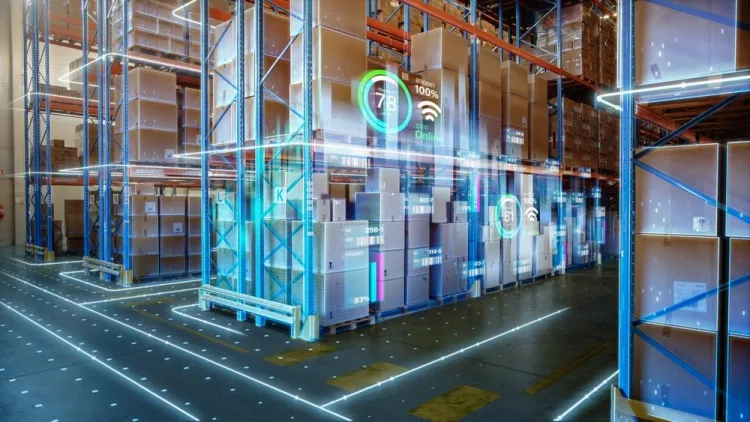
An RFID system enables real-time inventory tracking, so companies can quickly and accurately locate items in their warehouses or throughout the supply chain journey. This decreases the risk of stockouts, overstocking, and the associated costs.
The risk of human error is reduced when warehouse employees can use an RFID reader to track products and investigate potential discrepancies as RFID assists in identifying the source of receiving, storing, or distributing product issues.
Because RFID provides information about how or why a discrepancy or problem occurred, it can help warehouse management systems avoid recurring issues.
2. Asset Tracking
An RFID tag can track raw materials and parts within a facility, limiting the need for reordering lost parts. Additionally, companies can track assets (such as vehicles, containers, or equipment) in real-time, which improves supply chain visibility and reduces the risk of loss or theft.
RFID improves asset tracking and inventory accuracy by performing more reliable inventory counts than the traditional methods used by warehouse managers. In addition, it utilizes counting on an item level instead of an SKU level.
3. Real-Time Monitoring
Tracking with RFID begins on the factory floor, where item encoding with tags begins. The data is first entered into a system, and when quality checks are performed, the tags are scanned again. An RFID reader is used when items are moved to the warehouse and into the warehouse management system.
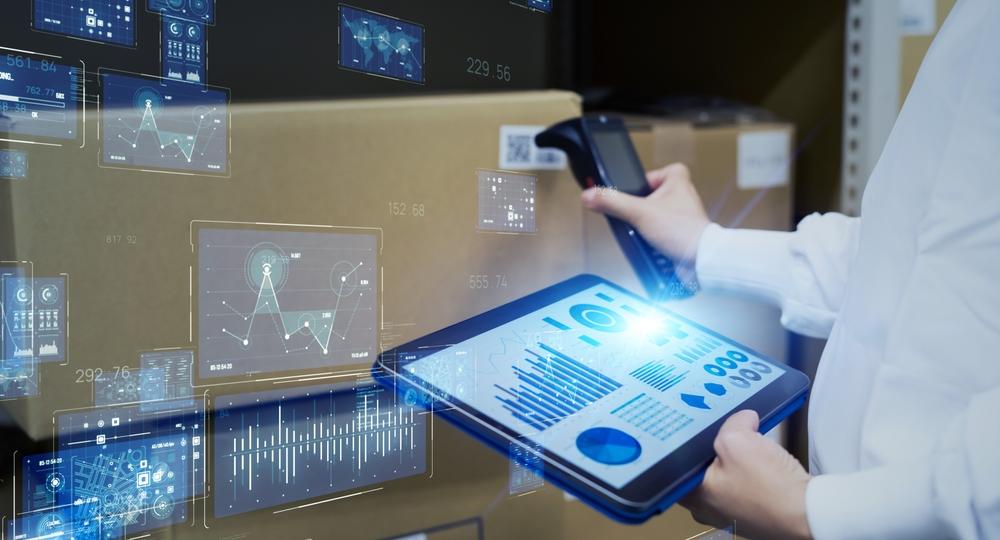
RFID provides real-time data on supply chain operations, such as the location of goods, the status of shipments, and the performance of supply chain partners. This information lets companies quickly respond to disruptions and make informed decisions to improve supply chain efficiency.
4. Cost Reduction
RFID can help reduce costs throughout the entire supply chain, as automated inventory management reduces the need for manual labor. At the same time, real-time monitoring enables companies to optimize their operations and reduce waste.
Overall, using RFID can significantly impact supply chain efficiency and cost reduction. Companies can make informed decisions and optimize their operations by providing real-time visibility into supply chain operations. This results in faster and more accurate deliveries, improved customer satisfaction, and increased profitability.

3 Challenges of Implementing RFID in Supply Chain Management
Implementing RFID does pose some challenges for companies. The systems have high installation costs, require changes to a supply chain’s infrastructure, and privacy and security concerns exist.
1. Upfront Costs
While RFID costs have decreased over the past 20 years, there are still high upfront costs. For example, RFID scanners can cost up to $20,000.
Additionally, RFID has many infrastructure requirements, such as scanners, wireless networks, and data management systems. To overcome these challenging costs, companies can invest in infrastructure upgrades or work with RFID vendors who can provide turnkey solutions.
2. Privacy Concerns
There are some concerns about how RFID can be used to track customers past the point of purchase by linking the RFID data to the customer’s debit or credit card number to understand their shopping behavior. To address this, privacy policies and data security measures are being implemented.
3. Data Management Issues
Using RFID generates a large amount of data, which can be challenging to manage and analyze. However, companies can use data analytics tools to process and interpret RFID data in real-time.
The Use of RFID in Manufacturing
RFID is being used across the manufacturing sector in various ways.
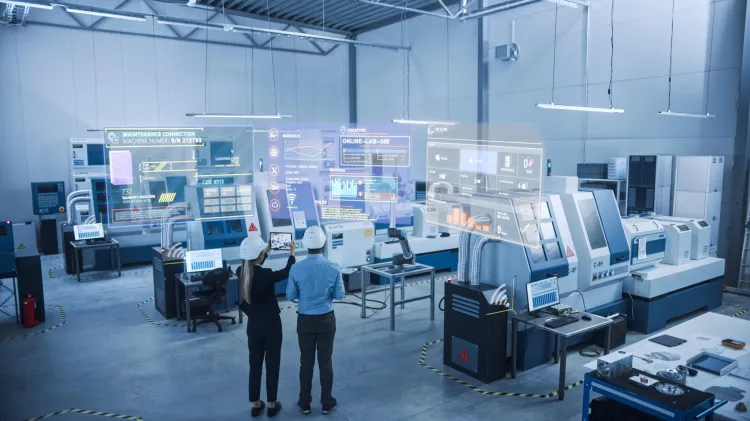
RFID automates manufacturing processes, such as production scheduling, material handling, and quality control. It is also being used to manage assets, such as machinery and equipment, by tracking usage and maintenance schedules. In turn, it’s helping manufacturers optimize asset utilization, reduce downtime, and minimize repair and maintenance costs.
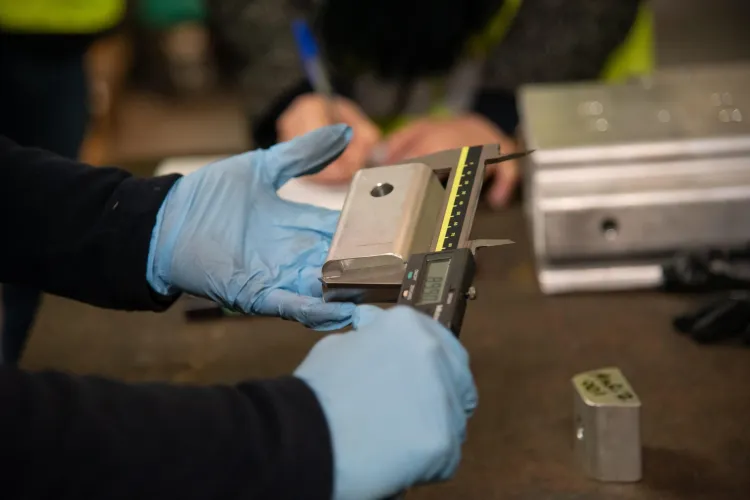
RFID can also be used for quality control during manufacturing. RFID tags can track and verify the movement of components and finished products, ensuring that they meet quality standards and reducing the risk of defects.
Retail company H&M, for example, has successfully implemented RFID technology. The Swedish company concentrated a lot of its efforts on distribution center mechanization, meta-information analysis, and RFID garment labeling so that staff can always locate inventory issues and better address under or oversupplied stock.
As a result, H&M is improving customer satisfaction, leading to increased sales and earnings.
The Future of RFID Technology in Supply Chain Management
As RFID technology continues to advance, several exciting trends are on the horizon.
The Internet of Things
Integrating RFID with Internet of Things (IoT) devices could enable manufacturers and supply chain managers to gain real-time insights into the movement of goods and materials, optimizing the supply chain and improving efficiency.
Blockchain
Blockchain technology is a decentralized, secure ledger that stores and shares data. Using blockchain technology in conjunction with RFID tags could help ensure the authenticity and traceability of products, improving supply chain transparency and reducing the risk of counterfeiting.
Smaller Tags
Another potential advancement includes the development of smaller, thinner, and more cost-effective tags. Powered by high-performance thin-film transistor technology, they can be applied to more surfaces.
These advancements could make using RFID in the supply chain process more accessible and practical for a broader range of applications, improving efficiency and reducing costs.
Embracing RFID Technology in the Supply Chain
Using RFID technology in supply chains has many benefits, including easy inventory traceability, improved efficiency, and cost reduction.
While implementing any new technology poses some challenges, many manufacturers are finding success with RFID, and the technology will undoubtedly continue to advance.
Learn how RAIN RFID is creating a truly circular economy.