While the industrial revolution was built by many pioneers, the first factory was established in 1790 by Samuel Slater. This Rhode Island-based textile plant helped enable the mills that sprung up in the surrounding areas and, in many ways, spurred the industrialization that spread across the country throughout the following centuries.
While the factory of today might look very different, one thing that hasn’t changed is the constant need for expansion and innovation. And while factory activity has seen its ups and downs over the past few decades, experts are bullish on the state of the industry as major factory construction projects continue to crop up across the country.
The U.S. Is "Back in the Factory Business”
In fact, record spending on manufacturing construction projects led The Wall Street Journal to declare in April that America was “back in the factory business.” Key industries are helping to boost industrial projects, namely semiconductor plants — an initiative related to the CHIPS and Science Act — and the growing electric vehicle (EV) market.
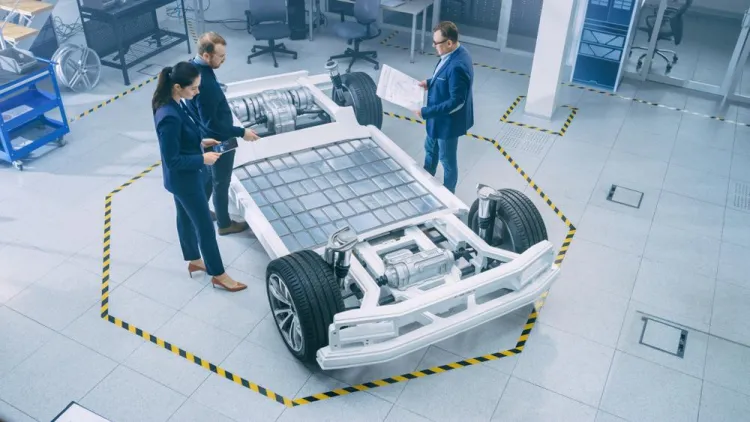
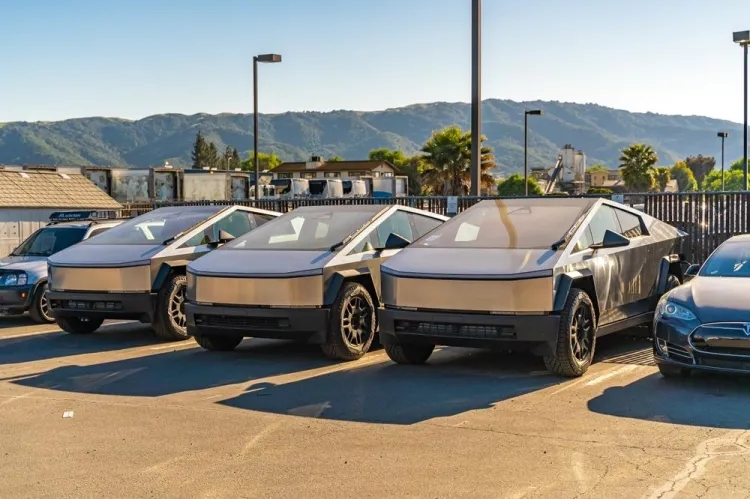
The latter, in fact, enabled North American factories to produce some 219,000 battery-powered cars and trucks in Q1 of 2023, a 39% increase year-over-year. The Inflation Reduction Act, which outlined made-in-America requirements for eligible tax breaks on electrics, is likely to continue to influence domestic production.
As for semiconductors, massive new plants from Samsung and Intel have helped propel immense growth in manufacturing jobs in places like Texas and Ohio; the U.S. states exhibited the third and fourth highest growth, respectively, in manufacturing production last year.
What’s Fueling Factory Construction Projects?
This desire to bring certain manufacturing activities back on American soil is supported by the results of a recent poll conducted by Forbes, Xometry, and John Zogby Strategies, where 82% of CEOs said they have or are “actively embracing reshoring strategies.” The report adds that this strategy is being fueled by “growing optimism in American manufacturing.”
The subsequent job creation is getting a boost as well, with 58% of decision-makers saying they are increasing wages this year.
Reshoring does more than just create factory jobs. According to Harry Moser, founder of the Reshoring Initiative, the “multiplier effect” of manufacturing — or the economic boost that comes via an influx of related suppliers and workers in support of the factory — “is about the highest of any of the categories.” For example, for every $1 spent in manufacturing, another $2.74 is produced in related economic activity.








![The Journey to Hydro Flask — How the Company Became a Household Name [Podcast]](https://machinerys.net/upload/cache/202507/the-journey-to-hydro-flask-how-the-company-became-a-household-name-podcast.webp)