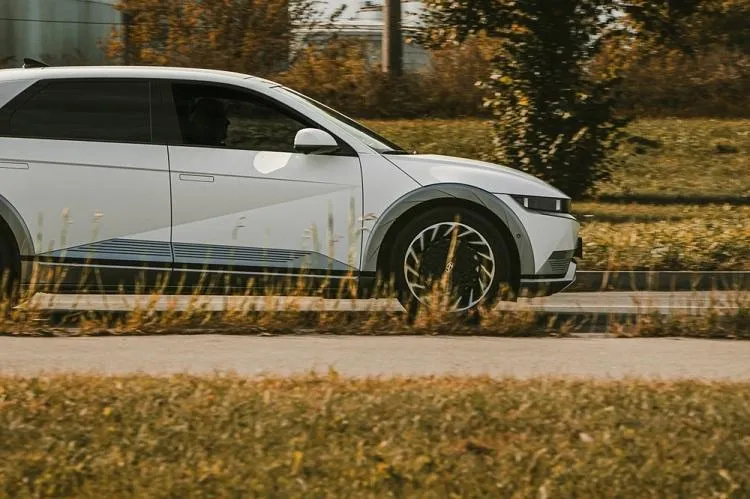
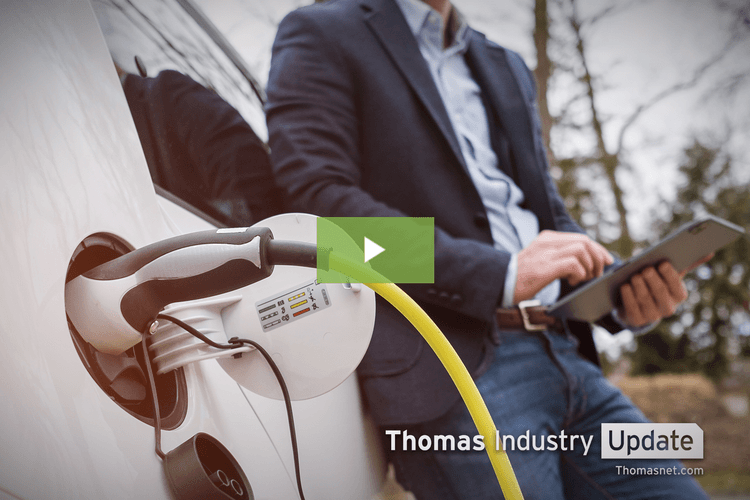
For years, one of the biggest impediments to the adoption of electric vehicles (EVs) — at least theoretically — could be summed up in two words: range anxiety.
Despite the fact that, in the U.S., the average vehicle is driven only 35 miles per day, many prospective buyers worry about the lack of public infrastructure currently available to charge an EV in a pinch. While there’s almost always a gas station within twenty miles of any point on a long journey, what would you do if you were low on electricity and needed a boost? And even if you found one, how long would it take to juice your battery?
While the proliferation of public charging stations is being addressed with current federal legislation that provides billions to states for their EV infrastructure, there’s also a need for speed. And new reports suggest that researchers may have recently “cracked the code” on a method that allows for super fast charging to mimic the convenience of a gas station.
Pennsylvania State University researchers have published a study in Nature that contends they have developed a battery that can charge up to 70% in just ten minutes.
Chao-Yang Wang, a professor of materials science and engineering at Penn State, is the lead author of the study. According to Time.com, he’s also the founder of EC Power, a battery technology company that collaborated with researchers on the study.
The researchers use an approach that adds heat to the charging process via thin sheets of nickel foil that are buried within the battery. At their ideal temperature, the foil enables the internal components to absorb the electricity more efficiently. Years of testing confirmed they were able to do this in a way that doesn’t overheat the battery or create a risk of fire.
What’s most exciting about this development is that it solves more than one problem. Experts have been sounding the alarm about impending material shortages for the big batteries required for electric vehicles, including the need for rare earth minerals like cobalt and lithium. This new method for fast charging is said to work on any size battery, which means automakers can produce smaller, lighter batteries at lower costs. Range anxiety is reduced, along with price anxiety — and as Wang points out — better for the environment, as fewer resources are necessary per vehicle.
EC Power is building a factory in Pennsylvania to start mass producing the batteries and they believe the technology will be ready for market in only two years.