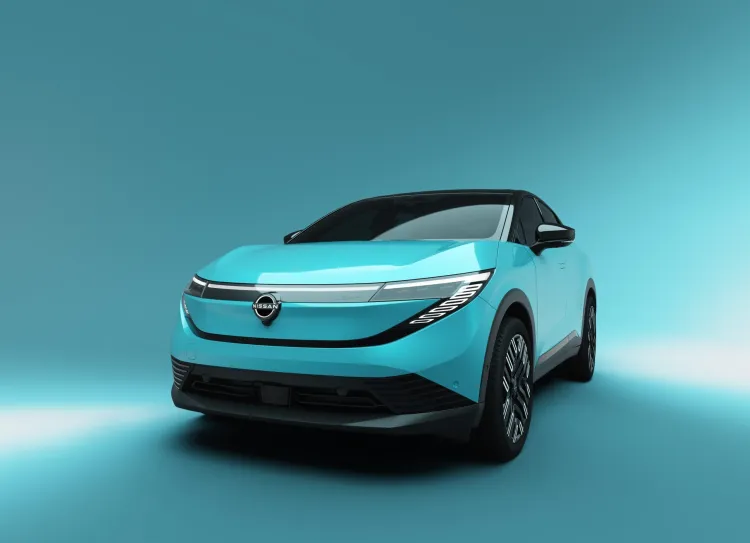
To reach its sustainability goals, on February 7, 2025, Nissan announced that it will be increasing the use of green steel in the production of its vehicles—by five times!
Nissan’s Sustainability Goals
Nissan has made its sustainability aims clear: a 30% reduction in CO2 emissions by 2030 and complete carbon neutrality by 2050. This means that both the cars and the production process won’t be adding any extra carbon to the atmosphere.
Since around 60% of a vehicle’s weight is steel, the switch to green steel is one of the most impactful steps Nissan can take to reach these important, albeit ambitious goals.
What is Green Steel?
Instead of regular iron ore, low-CO2-emission steel (the official term for green steel) uses more sustainable raw materials, like low-carbon iron, to cut emissions.
While traditional steel production relies heavily on blast furnaces, burning a lot of fossil fuels in the process, green steel is made in electric arc furnaces instead, producing far less pollution.
Nissan’s Plan of Action
Since 2023, the giant Japanese automaker has been using Kobenable® green steel from Kobe Steel in the production of its cars for the domestic market.
With a focus on using steel companies that track how much CO2 they save and spread the benefits across their products, Nissan has added a few more companies to its supplier list:
Green Steel Trend
Nissan isn’t the first automaker to increase the use of green steel in production; in December 2023, Mercedes entered an agreement with H2 Green Steel for 50,000 tonnes of steel from H2’s hydrogen-powered plant.
H2, a Swedish metal processing company, has since secured $7 billion in financing for its green steel facility—the first large-scale plant of its type in the world.
Image Credit: Shutterstock/dekitateyo