Industrial energy consumption is around149 million terajoulesyearly, which is higher than any other sector. Today, electricity accounts for just 20% of this energy use, but that looks set to change as more industrial companies embrace electrification.
Electrification describes replacing technologies or processes that use fossil fuels — such as internal combustion engines and gas boilers — with electrically powered equivalents. In industry, this transition will occur in three key areas:
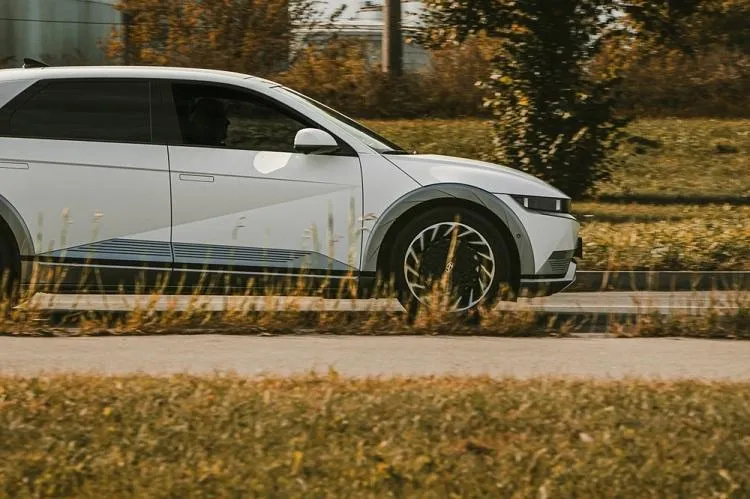
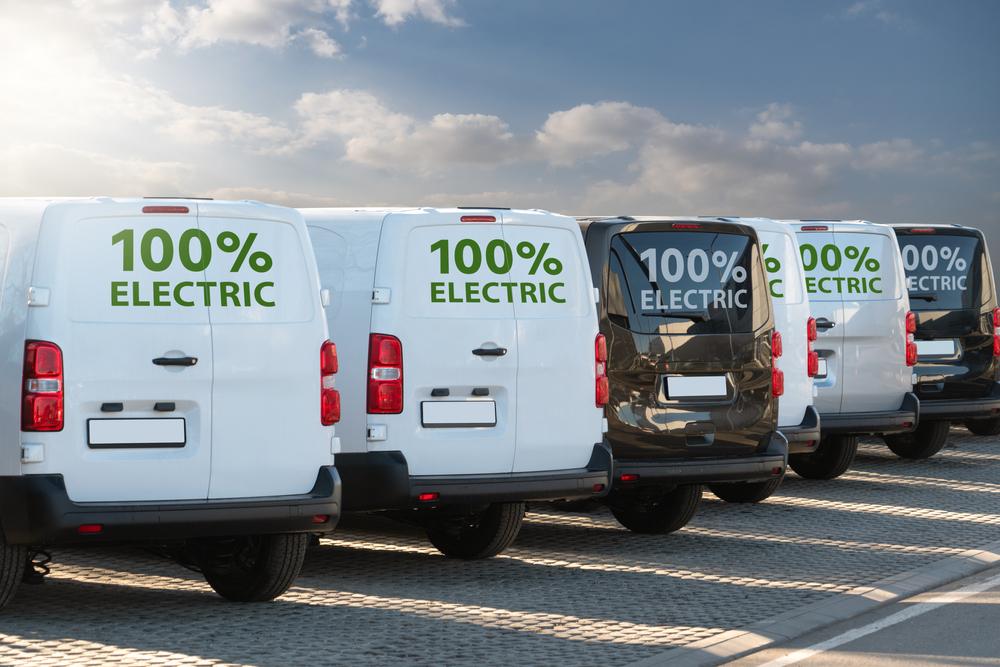
1)Industrial Fleets:Many industrial organizations are experimenting with electrifying their fleets and equipment, including everything from forklifts to lorries.
2)Industrial Spaces:Electric devices, like heat pumps, for space and water heating are increasingly affordable and accessible to the industrial sector.
3)Industrial Processes: A recent Deloitte study revealed that70% of organizationshave agreed to embrace an energy transition for their industrial processes, including process heating.
The electrification of industrial processes poses the biggest challenge, but this is also the area in which a decline in the use of fossil fuels would have the most impact. Energy efficiency, cost savings, and environmental benefits are the driving forces behind the shift to electrification.
While the technology exists to replace fossil-fuel-powered processes with electric alternatives, there are challenges relating to scalability, logistics, and the availability of renewables. How realistic is the electrification of industrial processes, and what is required of industry organizations, energy providers, and governments to make it happen?
The Role of Renewable Energy in Industrial Electrification
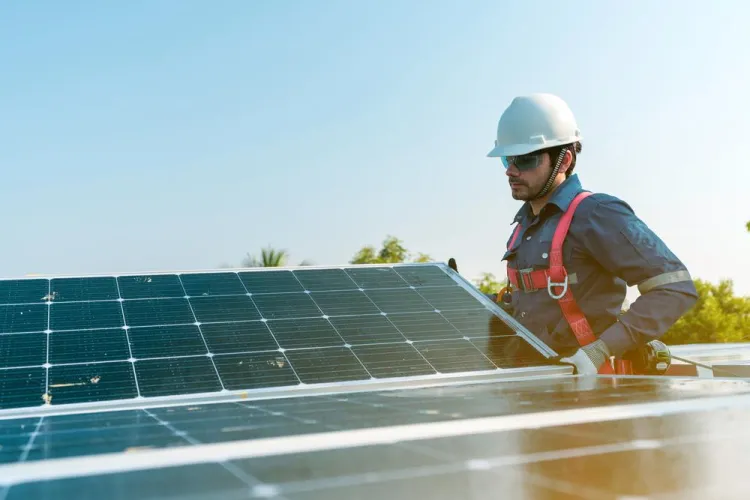
Renewable energy, which includessolar,wind, andgeothermal energy, will play a critical role in the energy transition.
Although electrical equipment advancements and sustainability concerns are accelerating the rise of electrification, the only way to make it genuinely viable is to increase the production of affordable renewable energy. When renewables are produced more cheaply and at scale, electricity demand is sure to surge.
The good news is that renewable energy adoption is fast growing. Indeed, according to McKinsey, renewables could producemore than halfof the world’s electricity by 2035.
Today, just9% of the energyused in industry is supplied through renewables or biofuels, while approximately 47% comes from fossil fuels. The tides are turning, however, with a recent survey revealing thatthree-quarters of industrial manufacturershave set targets to source 60% of their energy from renewable sources before 2035.
One of the most significant barriers to widespread renewable energy integration is intermittency. The availability of renewables may fluctuate due to weather conditions or the time of day contributes to grid instability and necessitates sophisticated energy storage solutions. High upfront costs, lack of infrastructure, and political pressures pose additional challenges.
Benefits of Industrial Electrification
Some of the benefits associated with electrification in the industrial sector include:
Industrial energy consumption is harmful to the environment. In 2021, direct industrial greenhouse gas emissions accounted for23% of total emissionsin the United States, which means this sector has the nation’s third-largest carbon footprint. Industrial businesses also have a problem with fossil fuel combustion (FFC) wastes, which often end up in landfills and further contribute to carbon emissions and air pollution.
Increasing consumption of zero-carbon electricity could significantly reduce the sector’s contributions to global warming.
According to the International Energy Agency (IEA), increasing the production of renewable electricity is critical to keeping the rise in average global temperaturesbelow 1.5°C. In the Net Zero Emissions by 2050 scenario, renewables will enable electricity generation to be all but completely decarbonized.
Electrification could be the catalyst industrial businesses need to drive operational efficiencies and reduce running costs.
In general, electrical equipment is slightly more energy efficient than its fossil fuel-powered counterparts, but it has significantly lower up-front and running costs. For example, the maintenance costs associated with electric steam boilers can be up to50% lessthan those of fuel-fired steam boilers.
A continued decline in electricity costs may also incentivize industrial businesses to electrify. The U.S. Energy Information Administration expects the average regional U.S. wholesale electricity price to fall by37% in 2023.
The use of fossil fuels poses significant harm to industrial employees. Workers on oil rigs are perhaps the most at risk, often suffering from burns, broken bones, and spinal injuries.
In industrial spaces, employees are exposed to toxic fumes caused by the burning of fossil fuels. In the short term, this can contribute to headaches and poor mental health. In the longer term, toxins such asformaldehyde, benzene, and mercurycan penetrate the lungs and contribute to more severe health conditions.
Consumer awareness around electrification is growing, which means there is significant business to be gained by going electric.
Deloitte’s 2020Energy Transitions survey, for example, found that most manufacturing executives believed efforts in environmental stewardship and sustainability would determine the leading organizations of the future. A team of U.S. and UK researchers calculated that around350,000 deathsannually are attributed to long-term exposure to fossil fuel-related fine particulate matter.
Challenges of Industrial Electrification
Some of the challenges associated with an energy transition include:
The development of high-performance electrical equipment for process heating is well underway. In residential homes and offices, electrical devices are often more energy efficient and can easily match the performance of those powered by fossil fuels. Electrifying the transportation sector is similarly manageable.
Requirements in an industrial setting, however, are significantly more complex. Around30% of fuel consumptionfor energy is for processes that require temperatures of more than 1,800°F. The technologies designed to electrify these processes, which produce materials including cement and steel, are not yet mature.
Further challenges come with integrating electrification technologies with existing and long-standing industrial processes. Industrial-sized electric boilers, for example, aretricky to installdue to huge supply cables and complex infrastructure requirements.
The decarbonization benefits associated with electrification will require a significant expansion of renewable-generation capacity.
Today, just8.5% of U.S. energy consumptioncomes from renewables, which means that the majority of electricity used in industry is produced via fossil fuels in electricity-generation sites.
Under these circumstances, increased electricity consumption would be of no environmental benefit.
Between 2015 and 2020, power outages in the U.S. have more thandoubled. Accommodating the surging electricity demand will require hefty investments in the United States’s outdated grid infrastructure to improve capacity, stability, and flexibility. However, achieving this could cost more than$2 trillion.
Further infrastructure developments will be required to address the decentralized nature of renewable sources. Generating electricity via solar panels, microgrids, and wind farms and then moving the power where it is needed is a complex task.
Logistics and Supply Chain Considerations for Industrial Electrification
McKinsey estimates that50% of the fossil fuelsindustrial companies use for energy could be replaced with electric power. For the remaining processes, including process heating that requires temperatures of more than 1,800°F, electrical alternatives are often feasible, just not yet commercially available.
With this in mind, industry executives who feel compelled to electrify their processes should know that the transition is certainly doable, but it will require time, effort, and investment.
The first step is to include the costs associated with electrification in capital spending plans. This includes investments in infrastructure, equipment, and personnel.
An analysis of logistics and supply chain challenges is also required. Factors including natural disasters, ongoing trade disputes, international wars, labor shortages, and rising inflation rates could impact access to the materials and equipment needed for electrification and result in higher costs.
To address some of these challenges, organizations could consider onshoring or reshoring their manufacturing processes, investing in renewables, and forging partnerships with utilities and other stakeholders.
Several industrial companies have made significant commitments to electric power systems. Siemens, for example, has set a target for all its facilities and buildings to achieve net-zero carbon footprints by 2030. Already, 60% of electric consumption at its sites comes from renewables.
Schneider Electric, meanwhile, is committed to powering 100% of its operations with renewable energy by 2030.
Government Policies and Incentives for Industrial Electrification
Government policies and incentives are critical to advancing the electrification of industrial processes.
Offering tax breaks to companies that invest in electric power, putting a price on carbon emissions, or raising the prices of fossil fuels are sure to draw organizations toward electrification. But making electrification attractive to the industrial sector is just part of the challenge. Governments must also take responsibility for making it feasible and scalable.
Mass-scale electrification demands a complete overhaul of the world’s energy systems, as well as careful coordination between utilities, policymakers, and industry suppliers and organizations.
In the United States, the Biden Administration has passed various legislation to increase renewables production, upgrade grid infrastructure, and support businesses in their electrification efforts. This includes a goal to establish a zero-carbonelectricity gridby 2035 and a net-zero carbon economy by 2050.
Further, the Inflation Reduction Act includes a large package of financial incentives for renewable energy development and includes funding for the Department of Energy’sBuilding a Better Gridinitiative, which is designed to upgrade the national grid network.
The Future of Industrial Electrification
An electric power system holds many benefits, including reduced greenhouse gas emissions, enhanced energy efficiency, lower costs, and vastly improved worker conditions.
However, the barriers to electrification in industry — namely lacking grid infrastructure and insufficient production of renewables — are sizable. It is important to address these challenges to ensure electrification efforts are meaningful.
Nevertheless, the fact that many industrial companies, utilities, and governments are meaningfully committed to electrification is hopeful. Around55% of manufacturing leadersconfirmed that sustainability efforts have high-level support from their board of directors.
The rapidly falling prices of renewable electricity and electrical equipment are also heartening. Arecent analysisfound that it is now more expensive for 99% of the country’s coal-fired power plants to keep running than building an entirely new solar or wind energy operation nearby.
During the transition period, some industrial companies are embracing hybrid or dual setups, which enable them to switch between the consumption of electric power and fossil fuels. Options like this address key electrification challenges, such as the intermittency of renewables, while paving the way for an all-electric future.
More Renewable Energy Insights
Image Credit: Scharfsinn / Shutterstock.com