In the ever-evolving realm of aerospace, where the boundaries of human ingenuity seem to stretch infinitely, groundbreaking innovations are continually reshaping the landscape of flight. From cutting-edge materials to disruptive technologies, the aerospace industry is experiencing a revolution marked by unprecedented advancements in various domains.
The latest technological marvels of aerospace companies, including advanced materials, propulsion systems, avionics, automation, and digitalization, are changing fuel consumption, safety, sustainability, and the overall passenger experience in the commercial aerospace industry. Below, we explore how these innovations are redefining how aircraft are built and operated and fundamentally altering the future of flight operations.
Advanced Materials in Aerospace: Revolutionizing Flight Operations with Innovation
Integrating advanced materials is pushing the sector to new heights in the dynamic realm of aerospace manufacturing and engineering.
Lightweight materials, including ingenious composites, have emerged as game-changers, revolutionizing aircraft design by significantly enhancing fuel efficiency and mitigating emissions. These materials, revered for their remarkable strength-to-weight ratios, are reshaping flight.
Additive manufacturing, a groundbreaking technique, has ushered in a new era of production by enabling the fabrication of intricate components with unparalleled precision while minimizing material waste.
Additionally, including nanotechnology in aerospace materials has opened doors to a new realm of possibilities, enhancing properties and performance in ways previously deemed unattainable.
High-temperature alloys have found their niche in aerospace engines, combining with composite structures for the optimal strength-to-weight ratio. Their exceptional heat resistance and durability ensure the reliability and safety of aviation marvels.
As the industry continues to push the boundaries of supersonic flights, these advanced materials stand as a testament to the power of aerospace innovations.
Next-Generation Propulsion Systems: Emerging Technologies for Futuristic Flight
In the fast-paced world of aerospace innovations, propulsion systems have become the focal point of transformative advancements. Below, we highlight key trends in propulsion technologies.
One of the most promising developments in aerospace is the rise of electric propulsion technologies, which are crucial to significantly reducing emissions and revolutionizing the environmental impact of air travel. Electric propulsion offers a greener alternative and promises quieter, more efficient flights, marking a paradigm shift in the industry.
Complementing this electric revolution, hybrid engines have emerged, integrating traditional combustion engines with electric systems and blending reliability with eco-conscious operation.
The renaissance of supersonic propulsion and the ongoing research in hypersonic engines are pushing the boundaries of speed and efficiency, opening doors to new possibilities in global travel.
The aerospace sector is embracing sustainable aviation fuels, fostering a transition from conventional jet fuels and promoting a more eco-friendly approach to flying. As these next-generation propulsion systems evolve, they promise to redefine how we travel and hold the key to a more sustainable and interconnected future in the skies.
Digitalization and Automation: Revolutionizing How the Aerospace Industry Works
In the ever-evolving landscape of aerospace innovations, the integration of digitalization and automation has heralded a new era of efficiency, precision, and innovation.
At the heart of this transformation lies the concept of adigital twin, a virtual replica that serves as a dynamic bridge between the physical and digital worlds.
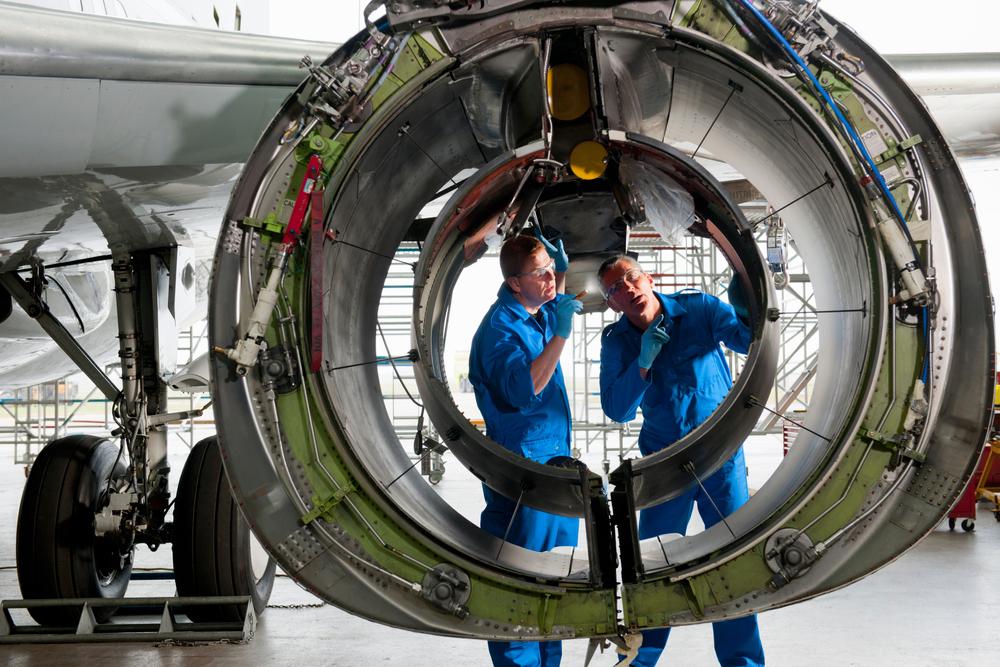
In aircraft design, simulation, and maintenance, digital twins are invaluable, providing real-time insights and allowing engineers to optimize performance and anticipate potential issues.
Artificial intelligence (AI) and machine learning algorithms have further heightened operational efficiency, enabling predictive maintenance by analyzing vast datasets to anticipate component failures and schedule repairs before issues arise.
This intelligent automation ensures the seamless functioning of aircraft, minimizes downtime and operational costs, and is vital to advancements in autonomous flights.
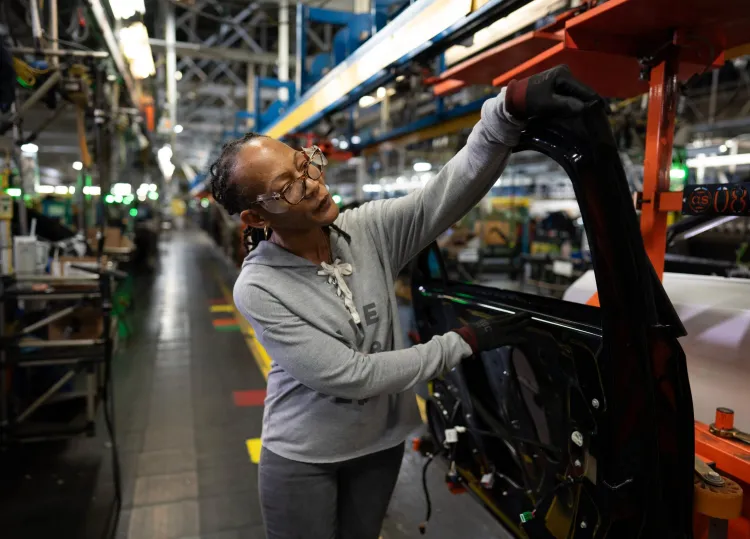
The aerospace sector is optimizing its manufacturing processes by integrating robotics and autonomous systems. These technologies, alongside ground support equipment development, have streamlined production processes, enhancing precision and safety while reducing human intervention.
As digitization and automation continue synergizing, aerospace innovation has no shortage of possibilities.
Disruptive Technologies in the Commercial Aerospace Industry: Redefining the Skies
There are a few key technologies shaping the future of flight.
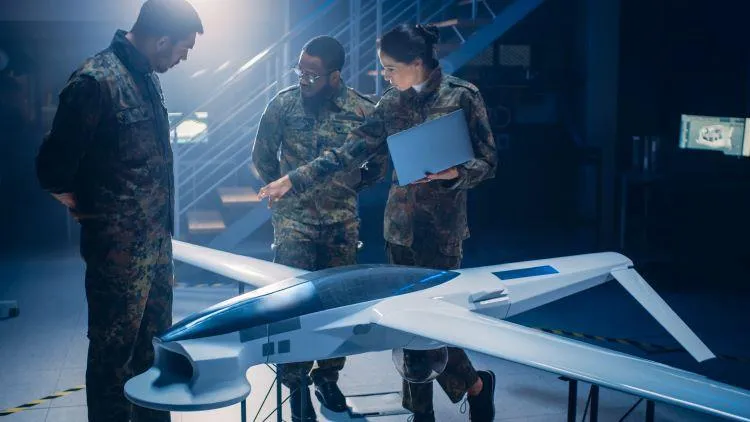
Unmanned aerial vehicles (UAVs) have emerged as transformative tools, finding applications in diverse sectors, from agriculture and surveillance to disaster relief and emergency services. These UAVs have brought a new era of aerial exploration and data acquisition.
Simultaneously, the growing fascination withspace tourismhas sparked a revolution in commercial space travel, inviting ordinary individuals to embark on extraordinary journeys beyond our atmosphere, marking a significant leap in the democratization of space exploration.
Air taxis and urban air mobility are no longer confined to science fiction, with innovative designs and technologies paving the way for vertical takeoff and landing vehicles, transforming congested cityscapes into seamless aerial highways.
Embracing a Limitless Future in the Skies
From unmanned aerial vehicles revolutionizing industry to the democratization of space through commercial travel, disruptive technologies are reshaping the aerospace sector.
These innovations are about more than reaching greater heights or achieving unprecedented speeds. They signify a profound transformation in how we perceive and navigate our planet, underlining a relentless pursuit of efficiency, sustainability, and accessibility in aviation.
As the sector continues to push the boundaries of what’s possible, these disruptive technologies remind us that the sky is not the limit.
More Aerospace Insights
Find Suppliers on Thomasnet.com
Image Credit: Juice Flair / Shutterstock.com