
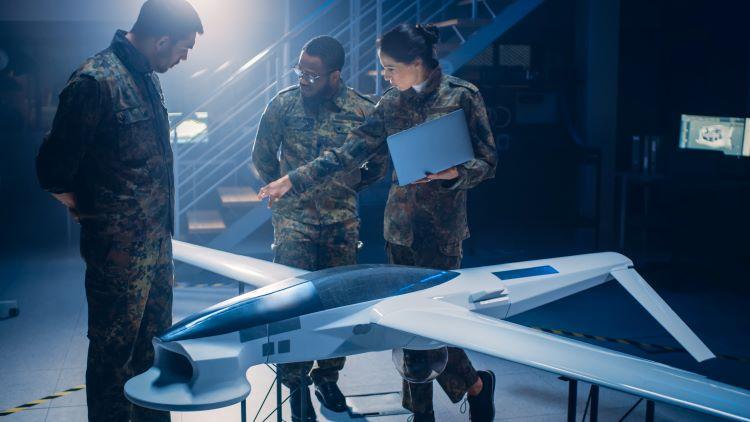
In the fast-evolving landscape of the aerospace and defense industry, a paradigm shift is underway — fundamentally altering how aircraft are designed, manufactured, operated, and maintained. This transformation reshapes traditional engineering approaches and propels the industry into a future where innovation knows no bounds.
At the crossroads of technological advancement, digital transformation has become more than just a buzzword; it is a defining ethos. According to the Aerospace Industries Association, thisdigital transformationwill touch all levels of the industry, from manufacturing to maintenance.
Let’s delve into the dynamic realm of digitalization in aerospace, exploring its multifaceted dimensions, the digital tools used, and its profound implications for the future. From unraveling the core tenets of digitalization to dissecting the applications of Industry 4.0 technologies like the Internet of Things (IoT), cloud computing, and data analytics, this discourse aims to unravel the intricacies of this revolution.
We’ll dissect the fusion of classical engineering principles with cutting-edge digital technologies, illuminating the path toward a future where the skies are not just the limit but a mere beginning.
Benefits of Digitalization in Aerospace
Digitalization in aerospace has ushered in a new era of unparalleled benefits, revolutionizing the way aviation functions on every level. Operational efficiency stands at the forefront, with digital technologies streamlining processes, reducing complexities, and enhancing productivity across the board.
Through real-time data analysis, the creation of digital twins, and predictive maintenance algorithms, downtime is minimized and maintenance schedules are optimized, leading to substantial cost reductions. The power of data-driven decision-making is metamorphic. It enables industry experts to optimize flight operations, predict market trends, and ensure the highest safety standards.
In this digital age, the aerospace sector soars to new heights with increased efficiency, reduced costs, and a commitment to utmost safety and innovation.
The industry can proactively identify potential issues by leveraging advanced analytics, allowing for timely interventions and enhancing overall safety protocols. Furthermore, digitalization has intricately woven itself into the fabric of aerospace supply chains, enabling seamless coordination and fostering an unmatched competitive advantage.
Applications of Digitalization in Aerospace
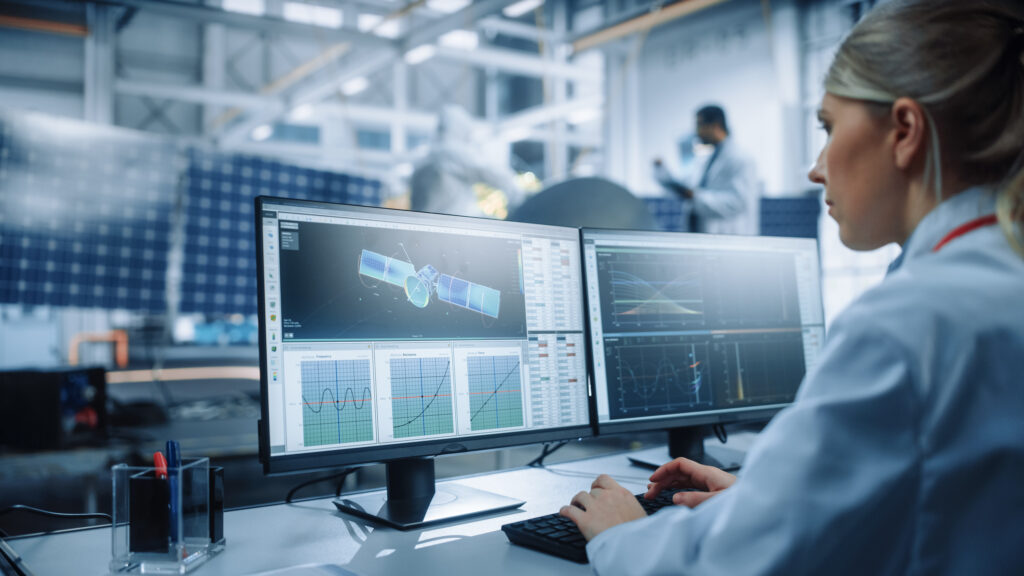
Gorodenkoff / Shutterstock.com
Digitalization has permeated every facet of the aerospace industry, ushering in an era of innovation.
Innovative manufacturing technologies, including automation and robotics, have revolutionized production processes, ensuring precision, speed, and reliability. By embracing automation, aerospace companies optimize their manufacturing processes and significantly enhance supply chain efficiency, providing timely delivery of components and reducing production costs.
An essential advancement in this digital landscape is the concept of a digital twin, which involves creating virtual replicas of physical aircraft or components. Thedigital twinfacilitates in-depth virtual modeling and simulation, allowing engineers to analyze performance, predict issues, and optimize designs before reaching the production floor. The digital twin is also vital to introduce agile engineering concepts and model-based design because now engineers can test new designs without the risk associated with classical engineering approaches.
In the realm of maintenance, digitalization has introduced remote monitoring systems that provide real-time insights into the health and status of aircraft engines and components, enabling proactive maintenance and minimizing downtime.
Moreover, virtual reality has entered the aerospace sector. This offers immersive training experiences for pilots and maintenance technicians.
Throughaugmented realityapplications, trainees can interact with virtual aircraft components, fostering a deep understanding of intricate systems and enhancing their skills. These applications of digitalization not only redefine aerospace manufacturing and maintenance but pave the way for a future where efficiency and innovation go hand in hand, ensuring the industry continues to soar to new heights.
Securing the Future: Navigating Data Management and Privacy Challenges in the Digital Aerospace Industry
In the rapidly advancing digital aerospace sector, effective data management and security have emerged as paramount concerns, shaping the trajectory of technological progress.
As the digital maturity of the aerospace industry continues its rapid evolution, investing in comprehensive data management strategies and robust cybersecurity protocols is not just a necessity but a strategic imperative. By prioritizing the protection of sensitive data, ensuring secure communication, and adhering to strict privacy regulations, aerospace companies can confidently navigate the digital landscape, safeguarding their assets, reputation, and the trust of their stakeholders.
Robustcybersecuritymeasures are essential to protect sensitive data against many threats. As the industry relies heavily on interconnected systems and data exchanges, ensuring secure communication channels is imperative to thwart cyberattacks.
Moreover, the need for stringent data privacy measures cannot be overstated. Compliance with regulations likeGDPR(General Data Protection Regulation) is a legal necessity and a fundamental ethical obligation, emphasizing the responsible handling of personal and sensitive information.
Encryption
Encryption is a digital tool that plays a pivotal role in the aerospace and defense landscape. It transforms data into unreadable code during transmission, ensuring that even if intercepted, the information remains indecipherable to unauthorized parties.
Access Controls
Access controls further bolster security by restricting data access only to authorized personnel. This minimizes the risk of internal breaches.
Secure Storage in Aerospace Cybersecurity
Secure data storage, both on-premises and in the cloud, is vital. It involves implementing advanced technologies and protocols to safeguard critical information from unauthorized access, ensuring the integrity and confidentiality of aerospace data.
In digital engineering, where complex simulations and virtual prototypes are standard, protecting intellectual property and proprietary designs is critical to data security. Companies must employ sophisticated tools and strategies to guard against theft or unauthorized replication of digital assets from existing employees.
Learn more in our ebookAn Inventor’s Guide to Developing and Protecting Your Product Ideas.
The Future of Digital Transformation in Aerospace
The future of digitalization in the aerospace industry is poised for groundbreaking advancements driven by a synergy of cutting-edge technologies and collaborative ecosystems. Artificial intelligence (AI) and machine learning (ML) are set to revolutionize aerospace operations.
AI can analyze vast datasets to enhance predictive maintenance, optimize flight routes, and improve fuel efficiency. Machine learning algorithms, on the other hand, can process data patterns and offer valuable insights, aiding in everything from design optimization to supply chain management. These technologies augment human capabilities and redefine how the aerospace industry operates.
Blockchain technology is another game-changer. Its decentralized and tamper-proof nature makes it ideal for ensuring the integrity of supply chain processes, from tracking the production and assembly of aircraft components to verifying the authenticity of spare parts. By providing an immutable ledger, blockchain instills trust and transparency, crucial elements in the intricate web of aerospace manufacturing and distribution.
Digital ecosystems are central to the future landscape of aerospace digitalization. Collaborative platforms and ecosystems enable seamless integration and data sharing between various stakeholders, fostering innovation.
Companies, researchers, and innovators can collaborate, exchange ideas, and collectively solve challenges in these digital realms. This collaborative approach accelerates the pace of innovation and leads to the development of holistic solutions that cater to the industry’s multifaceted needs.
Navigating the Boundless Horizons of Aerospace Digitalization
The aerospace industry stands at the forefront of a digital revolution, weaving a robust "digital thread” that intricately connects every aspect of its operations. This journey, marked by digital innovation and driven by artificial intelligence, has propelled the industry into a new era of efficiency, reliability, and unparalleled innovation.
The amalgamation of digital twins, supply chain optimization, and collaborative digital ecosystems has paved the way for the digitalization of the aerospace sector, redefining how aircraft are designed, manufactured, operated, and maintained.
The synergy of these technologies forms the bedrock of the industry’s future, promising a landscape where data-driven insights inform every component, process, and decision. As the aerospace sector embraces these advancements, it ensures its competitiveness and charts a course toward a future where the possibilities are limitless and the innovation potential is boundless. The era of digital maturity in aerospace has arrived, propelling the industry to unprecedented heights and reshaping the future of flight.