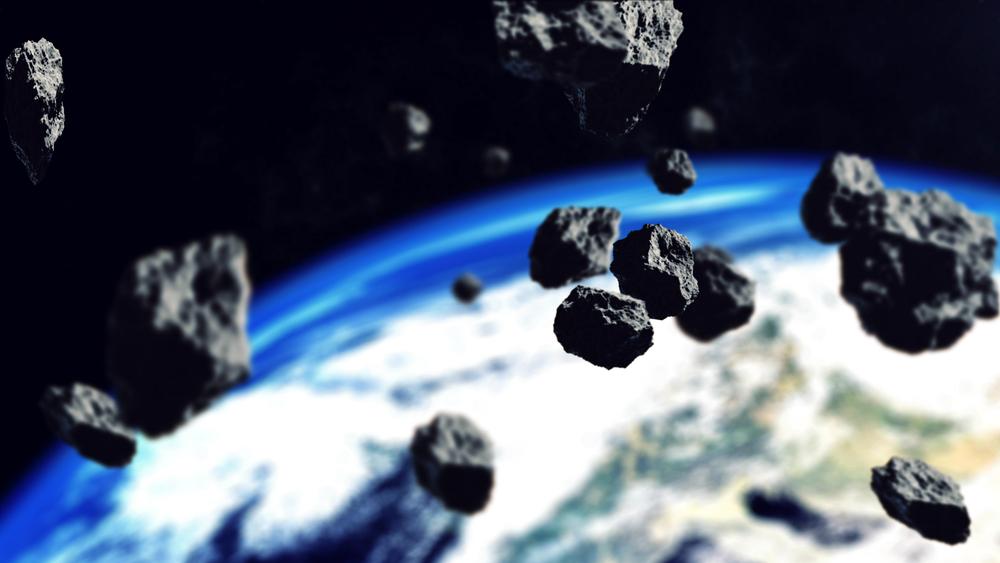
Pieces of an asteroid collected tens of millions of miles away contained carbon and water, as well as a possible look into the origins of life on Earth, NASA officials announced.
The space agency detailed its initial findings from the mission — including photos and video footage of “bonus” material collected from the 4.5 billion-year-old asteroid Bennu — at its Houston headquarters earlier this month.
The samples were grabbed by NASA’s Osiris-Rex spacecraft, which launched in 2016 and spent two years flying around the asteroid before descending to its surface in 2021, collecting material, and beginning a 60 million-mile journey back to Earth. In late September, the spacecraft dropped a capsule containing what officials believe is about one cup’s worth of material.
The material analyzed and displayed at the Johnson Space Center was found on the exterior of the canister; the chamber containing the main sample reportedly had yet to be opened.
NASA officials, however, said a preliminary analysis of the “bonus” sample was extremely promising. Scientists using chemical and infrared analyses, electron microscopes, and X-ray diffraction identified “abundant” carbon, along with clay minerals that contained water. Researchers believe that elements like those found on Bennu may have crashed into Earth billions of years ago, helping to seed life on the planet.
NASA officials added that the work of investigating the sample had only barely begun. Researchers took care to preserve the material found on the outside of the vessel, and the chamber itself was expected to be opened within two weeks.
Scientists at NASA and around the world will conduct analyses of the material for the next two years, and the agency vowed to preserve at least 70% of the sample in Houston for research that would remain ongoing for “decades to come.”
Image Credit: klss / Shutterstock.com