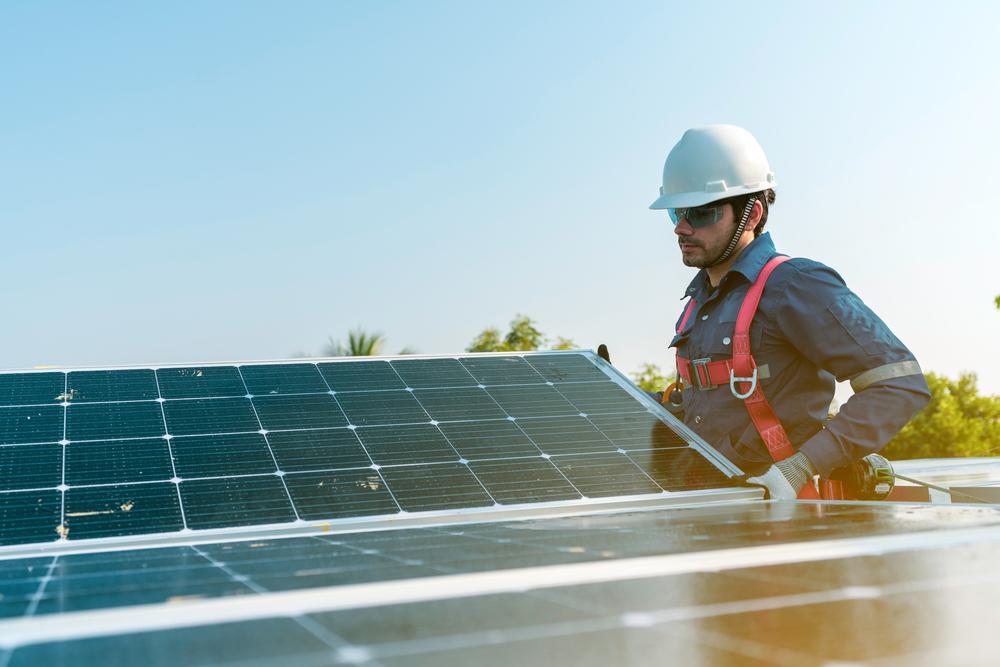
Solar power is transforming the way we approach energy. As an increasingly popular choice among homeowners and businesses, solar energy systems are lauded for their ability to use sunlight to produce electricity.
Still, as with any technology, solar energy systems have their fair share of upsides and disadvantages. Below, we do a deep dive into the pros and cons of solar energy.
Solar Energy Pros
Let’s begin by highlighting a few of the significant solar energy advantages that come with tapping into the power of the sun.
One of the biggest selling points of solar panels is their harnessing of sunlight, a renewable resource. Unlike fossil fuels, which are finite by nature, the sun is a stable power source.
Additionally, solar energy is more consistently available than other renewables, like wind. Though sunlight can be partially and temporarily obscured by inclement weather, a prolonged lack of wind can render wind turbines useless.
When it comes to green energy sources, solar panels are a top contender. They don’t release harmful emissions and thus have a smaller carbon footprint than most conventional energy sources.
Businesses around the globe are placing a greater priority on sustainability and environmentally-friendly practices. Solar panels can help companies move toward their reduced emissions goals and decrease their reliance on fossil fuels while driving down utility expenses in the process.
Despite the initial investment in installing solar panels, they can be a cost-effective solution that pays for itself in the long run through energy savings.
Additionally, many jurisdictions have tried to encourage the adoption of solar panels by offering various tax breaks. These programs make solar panels even more cost-effective and mitigate some of the high initial fees associated with installation.
From the perspective of the individual homeowner, solar panels can drastically reduce or completely eliminate monthly utility bills, given that they produce their electricity on-site. In some cases, homeowners may even be able to sell power back to the utility provider.
Businesses can enjoy long-term cost savings, as well, including reduced operating costs and decreased fuel expenses. If companies equip their facilities with a robust solar panel system, they may even be able to limit or eliminate the need for a backup generator.
One of the lesser-known benefits of solar technology is its low maintenance. Once installed, solar panels don’t require much upkeep, ensuring they remain efficient for years. They generally only need to be kept clean and free of debris. They are also durable and can withstand wind, rain, and other environmental stressors.
With solar panels, businesses and homeowners are not tied to the electric grid. That independence can serve as a buffer against potential energy price hikes, disruptions to the power grid, and disaster-related outages. Where other structures will be left without power, those with solar panel systems will avoid disruptions.
Solar Energy Cons
Despite their many benefits, solar energy has a few notable cons.
Solar panels and their batteries are costly on their own, but installing solar panels represents another major expenditure. Equipping even a standard-sized home with solar panels can cost between$10,000 to $20,000 and possibly more, representing a significant barrier for homeowners and small- to mid-sized businesses.
However, these costs can be mitigated, given that many solar panel providers offer financing options allowing homeowners to spread out costs over a ten-to-20-year loan. Additionally, several jurisdictions offer rebates, tax breaks, and other financing options to offset some of the costs.
While sunlight is renewable, it’s not always consistent, as cloud cover or the occasional stretch of rainy days can reduce the efficiency of a solar power system.
Robust battery systems can store enough energy to power a building until the inclement weather subsides, demonstrating the importance of powerful batteries with plenty of storage capacity.
Though they’re clean once they’re up and running, the manufacturing, transportation, and installation of solar panels are often associated with pollution and environmental degradation. There is also a concern about the recyclability of solar panels, as they contain a complex mix of metals, plastics, polymers, and other materials that are difficult to separate.
Manufacturers and suppliers can offset some of the front-end pollution issues by using electric vehicles, nearshore or domestic production facilities, and other green-minded logistics solutions.
A solar panel system’s design and positioning must be just right to maximize energy output, which makes the installation process somewhat complex. In addition, due to the need for optimal positioning and alignment, solar panels cannot be installed anywhere, meaning homes and businesses with little exposure to direct sunlight might not be suitable for solar panels.
Modern solar panel systems have become quite efficient at producing electricity, but the question lies in knowing what happens to that electricity after solar panels harvest it. If it is not immediately needed, the system must store it.
Solar energy storage requires robust batteries, but there are two major problems associated with them: capacity and cost. Equipping a home or business with a large enough battery is costly, but if installers use a smaller system to cut costs, it won’t have enough capacity.
Solar system manufacturers must explore new battery technologies that provide better storage capacity, faster charging, and reduced costs. Upgrading battery technology will make solar systems more accessible and reliable, encouraging continued adoption.
Solar Technology Is Poised to Play a Major Role in Our Energy Future
Solar energy, with its vast potential and environmental benefits, seems poised to play a major role in the future of energy. The pros are compelling, from its status as a renewable resource to its potential for cost savings. However, there are solar energy disadvantages to consider, including the high initial costs and complexities of installation.
In weighing these pros and cons, it becomes evident that while solar technology may not be a one-size-fits-all solution, it certainly offers a promising and sustainable path forward in the energy world. For those considering the switch, a thorough assessment of its advantages and disadvantages will pave the way for informed decisions.
More Renewable Energy Insights
Image Credit: Chatchawal Phumkaew / Shutterstock.com