Lean manufacturing practices are designed for the sole purpose of helping companies operate more effectively. While this approach has its origins in the manufacturing industry, it has evolved into a versatile management process for numerous sectors.
The idea behind implementing lean manufacturing practices is that greater process efficiency can lead to numerous benefits, such as improved cycle times, increased employee productivity, reduced material costs, and improved market competitiveness.
Lean processes are grounded in lean thinking, which involves consideration of the following five principles:
- Value
- Value Stream
- Flow
- Pull
- Perfection
What Are the 5 Principles of Lean Manufacturing?
1. Value
The first step of any lean manufacturing process is a detailed understanding of what the customer defines as value. Various tools, such as interviews, surveys, demographic information, and web analytics, can help organizations determine the actual or latent needs of their consumer base.
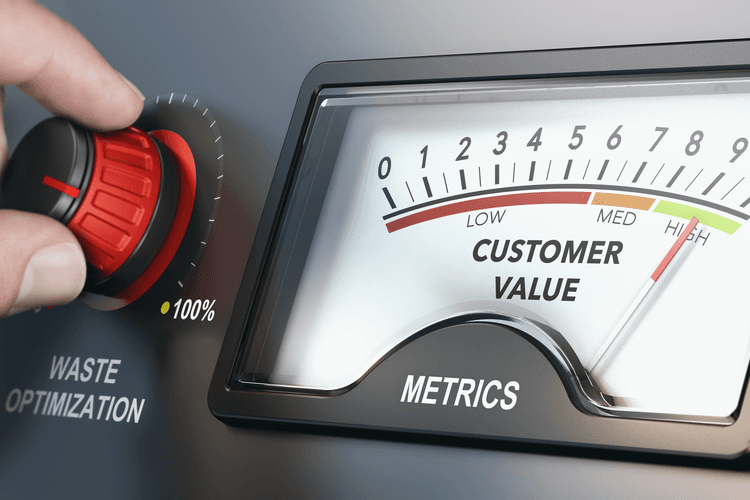
Establishing various value metrics allows companies to focus on eliminating unnecessary processes to deliver the value that the customer expects with the highest level of profitability.
2. Value Stream
The second lean principle is understanding the value stream, which is defined as all the steps involved in bringing a product to a customer from order to delivery. It encompasses the entire supply chain, source materials, manufacturing processes, and transportation systems that help create the end product. The value stream is often presented on a schematic diagram (value stream map) to help organizations visually identify waste and suggest improvements.
3. Flow
Flow is one of the components identified in value stream mapping. Flow dictates how information is passed from one process to another; if the flow is interrupted at any point, waste is the inevitable by-product. This waste can come in the form of excessive movement, lost time, over-processing, or increased inventory costs.
Once wastes have been identified, lean principles can be applied to ensure that flows in the production process are as seamless as possible. Some techniques for improving flow include leveling out workload, creating cross-functional departments, and training employees to be multi-skilled and adaptive.
4. Pull
Conventional approaches to manufacturing are based on a push-type system, i.e., raw materials and manufacturing schedules are based on predictions. In other words, sales forecasts are used to ‘push’ production rates.
Inaccurate forecasts, however, can result in over or under predictions, which can lead to inventory surpluses or deficits, respectively. To avoid this, a pull-type system is preferred. In this case, actual consumer demand ‘pulls’ the production demand.
Lean principles, such as just-in-time (JIT) delivery, ensures that materials and products are ordered when they are needed and in just the right quantity required. Pull-based strategies ultimately minimize waste related to inventory and storage.
5. Perfection
The fifth and final principle which drives lean manufacturers is perfection. This lean principle helps foster an attitude of continuous improvement within the organizational culture. While it is almost impossible to eliminate all waste, companies should always strive to find ways to improve their business processes each day.