The Biden administration proposed raising tariffs on certain Chinese polysilicon, solar wafers, and tungsten products to support clean energy businesses in the U.S.
The Office of the U.S. Trade Representative (USTR) noted that effective Jan. 1, the tariffs on Chinese polysilicon and solar wafers would increase from 25% to 50%, while tariffs on tungsten would rise from zero to 25%.
Feedback From Interested Parties
USTR presented an electronic portal for interested parties to submit feedback and reported that most comments supported increased wafer tariffs, and almost all supported raising polysilicon tariffs.
Proponents of the polysilicon tariffs said the change would assist domestic production, and wafer tariff supporters said the measure would combat Chinese practices that allow its companies to dominate supply chains.
Main Critiques
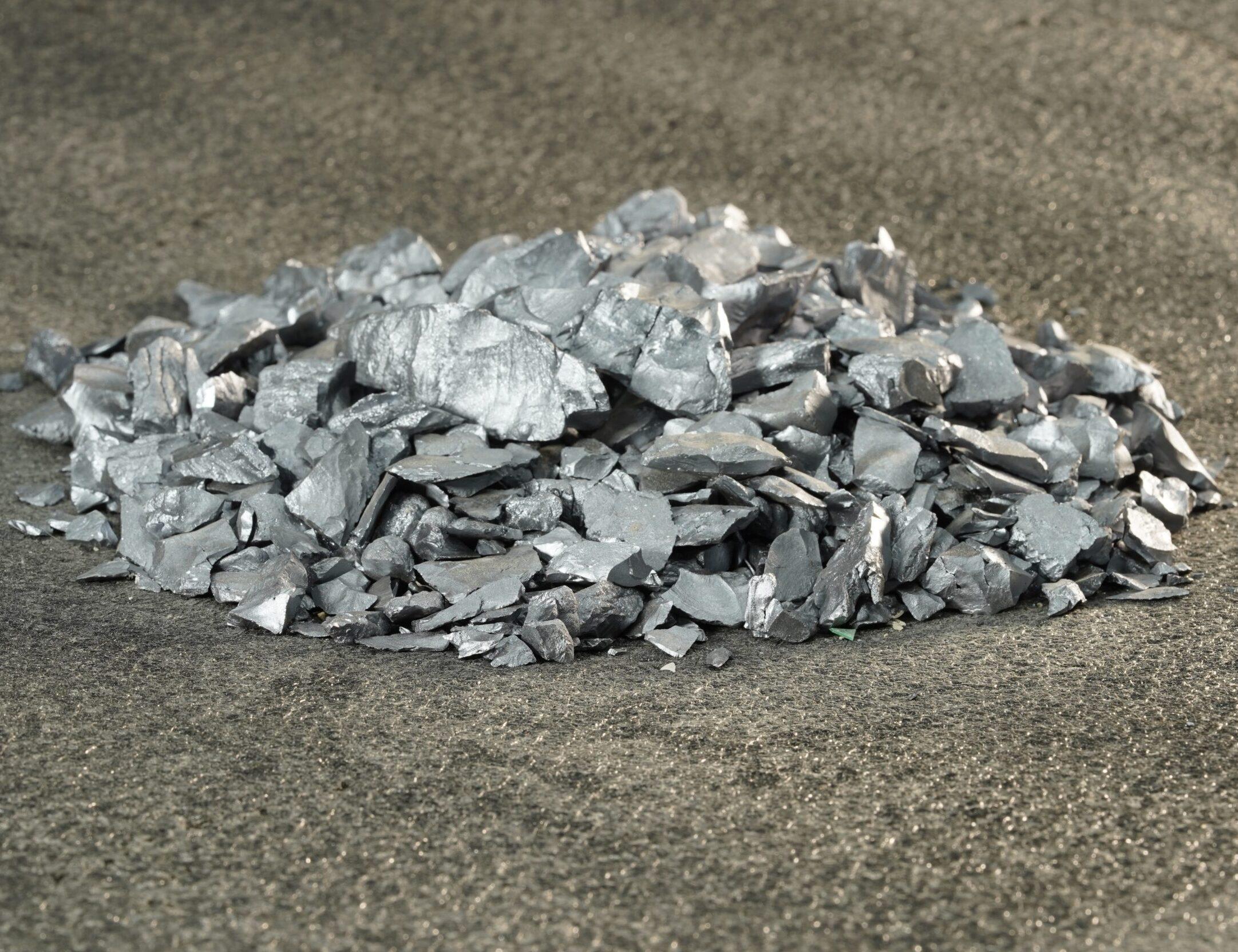
Critiques of the tungsten tariff proposals stemmed from an estimate that China holds about 80% of the world’s tungsten reserves, a source for light bulb filaments, x-ray tubes, and other industrial applications. Concerned parties noted that higher tariffs could worsen inflation, increase production costs, reduce U.S. market share, and hurt U.S. competitiveness.
However, tungsten tariff advocates claimed an increase would preserve supply chains for U.S. industries, including automotive, aerospace, oil and gas, medical, and defense.
Responding to Restrictions
The USTR announcement comes after the U.S. imposed new restrictions on Chinese access to semiconductor technology and China’s ban on exporting gallium, antimony, and germanium to the U.S.
Image credit: sharprock/Shutterstock