
Chemicals play an important role in both manufacturing and the economy. They support industries such as agriculture, medicine, national defense, and evenelectric vehicles. They’re used to make everything from medical devices to cell phones, and, without them, we wouldn’t have many of the products and technologies we have come to rely on.
As the world’s overall economic growth is rising exponentially, the global demand forchemicalsis set to increase by 30% over the next ten years. More and more countries, including developing ones, are starting to have a greater need for industrial chemicals for manufacturing and industrial processes.
New reports from the Independent Commodity Intelligence Services (ICIS) show that, in the U.S. alone, chemical demand is estimated to see nearly 15% growth by 2033. Let’s take a look at why there is such a demand, and what the U.S. is doing for domestic chemical production, as well as the challenges it is facing.
U.S. Chemical Industry

Image credit: Shutterstock/industryviews
According to Thomasnet.com’s sourcing data, chemical and drug agitators are up 33% YoY, whileadhesiveshave increased by 828% YoY. As stated in the intro, experts estimate that the U.S. will see a 10–15% increase in the demand for chemicals in the next decade. If this rises above 10%, however, chemical manufacturers may struggle to keep up and fall behind the market competition, as supply will not be able to meet the ever-increasing demand.
In other countries, there is an even greater growth. The chemical sector in China, for instance, is expected to grow by 27%—over a third of its current demand—in the next ten years. This means that China will have the capacity to export a lot of chemicals to other countries, including the U.S.
Domestic Production

Image credit: Shutterstock/William Potter
The U.S. government has been fighting to keep chemical production domestic and reduce the reliance on imports. Laws like the Inflation Reduction Act, the Bipartisan Infrastructure Law, and the Creating Helpful Incentives to Produce Semiconductors (CHIPS) Act have been put in place to support new chemical manufacturing facilities, capabilities, and infrastructure in America.
These laws are designed to help U.S. chemical companies, strengthen domestic chemical production, as well as the country’s chemical sector in general. To stay on top of things, many companies are splashing out on new production processes that are highly focused on energy efficiency, using sustainable raw materials, and automation.
Domestic Chemical Manufacturing Challenges
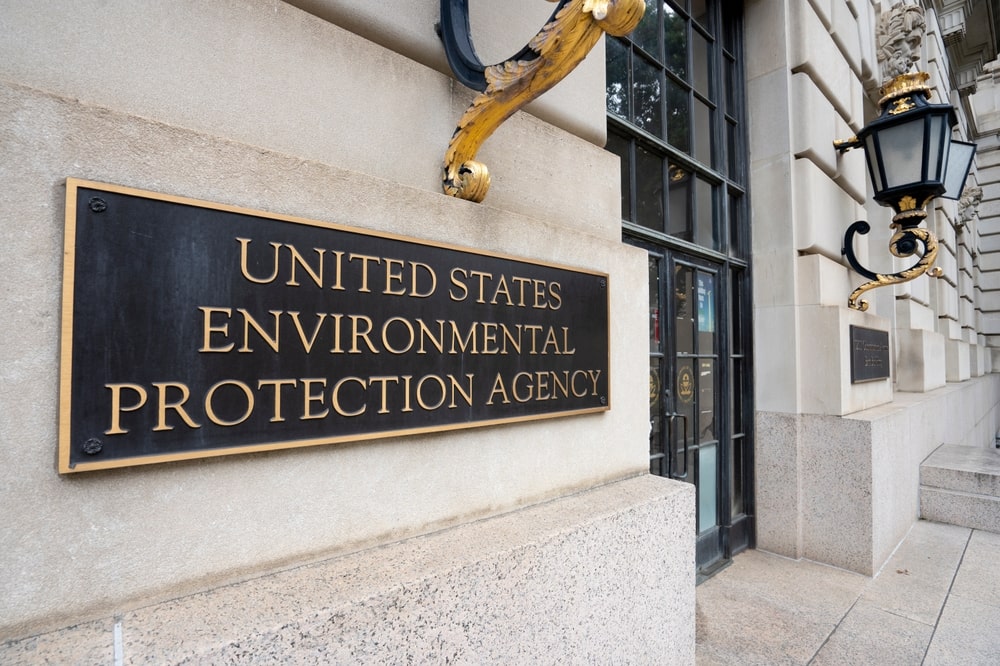
Image credit: Shutterstock/Tada Images
It’s not as easy as it may sound, however. The very strict chemical regulations in the U.S. have made it harder for companies to make semiconductors. While the government is spending billions to boost domestic semiconductor production, the Environmental Protection Agency (EPA) is seemingly putting a spanner in the works with new and very specific regulations.
In addition to making it a lot more expensive to produce chemicals, the EPA is introducing many stricter environmental regulations that companies are obliged to adhere to. This is creating a bit of a push-pull situation between supporting the U.S.’s economic growth and protecting the environment, and is seemingly having a negative effect. For instance, a recent American Chemistry Council (ACC)company surveyshowed that 70% of chemical manufacturers in the U.S. were sourcing chemicals from overseas.
Harmful Chemical Processes

Image credit: Shutterstock/Aleksandar Malivuk
It may seem that the EPA is raining on the U.S.’s domestically produced chemicals parade, but its strict rules are not exactly unreasonable. The chemical industry is a large producer of greenhouse gas emissions. Chemical production is a notoriously energy-intensive process, and the industry does need to do something to reduce these emissions.
The EPA is clamping down on pollutants such as volatile organic compounds and hazardous air pollutants that the chemical sector is known to produce. It has increased its supervision of chemicals under the Toxic Substances Control Act, requiring companies to give more data on the safety of the chemicals they make before they can be used or sold.
There are also stricter regulations on PFAS (per- and polyfluoroalkyl substances) that are used in many different products and processes, but have been known to cause health issues. They’re also known as “forever chemicals”—named so simply because they stay on Earth forever.
Chemicals in Manufacturing
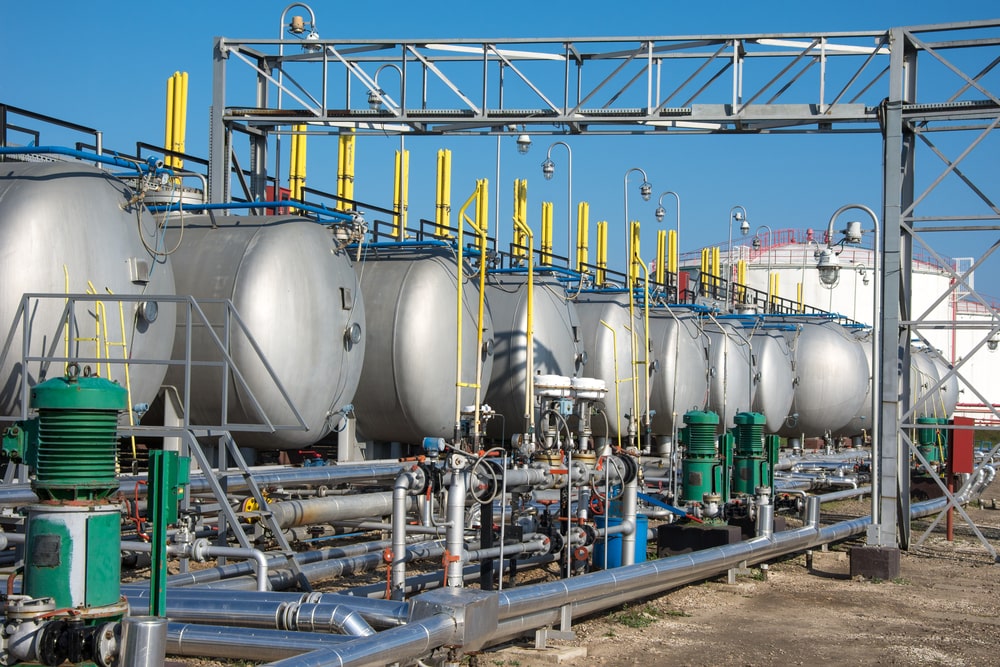
Image credit: Shutterstock/ZoranOrcik
There are many chemicals used in manufacturing. Raw materials are the starting point for all chemicals. These include natural gas, minerals, and petroleum. Then you have the basic chemicals, such as acids, bases, salts, and gases which are important to make other chemical products. These includeplastics, pharmaceuticals, cleaning solutions, pesticides, and fertilizers.
Basic chemicals include polyethylene, polypropylene, and polyvinyl chloride, and are used in things like packaging materials, bottles, containers, car parts, toys, and pipes. Fertilizers used in agriculture to aid and improve plant health and yield commonly have ammonium nitrate, urea, and phosphoric acid in them.
These chemicals are also used for disinfectants, detergents, and cleaning products—both household and industrial—and contain sodium hypochlorite, ammonium compounds, and surfactants. Pigments and solvents are used in paints and coatings, while dyes, surfactants, and flame retardants are used to make clothes, carpets, and textiles.
Aside from the basic and raw materials, there are other sets which are classed as inorganic chemicals (natural gas is one of them). These do not contain any carbon-hydrogen bonds (including metals, and the aforementioned acids and salts). Then we have the all-important specialty chemicals.

Image credit: Shutterstock/PowerUp
Specialty chemicals are made in much smaller quantities than commodity chemicals because they are designed for very specific purposes. While other types of chemicals are mass-produced as they are used widely in many different applications and industries, specialty chemicals are tailor-made to make products with higher levels of efficiency and durability.
In pharmaceuticals, these chemicals are used in prescription medications, over-the-counter drugs, vaccines, and medical devices, and include active ingredients and excipients, like lactose, and magnesium stearate. In cosmetics and personal hygiene products, such as shampoos, lotions, makeup,soaps, and deodorants, you’ll find surfactants, emulsifiers, preservatives, and fragrances.

Image credit: Shutterstock/FOTOGRIN
They are even used in food and drinks in the form of preservatives, like sodium benzoate, flavorings, and emulsifiers (e.g., lecithin). Although paints and coatings are mainly made up of basic chemicals, they could also contain resin, which is classed as a special chemical. The fairly new development ofadvanced recyclingmeans that chemicals are needed for this sector, too.
As mentioned, these special chemicals are incredibly important in the production of semiconductors and batteries. Silicon, gallium arsenide, photoresists, and dopants are used to make computer chips, integrated circuits, and electronic devices, and in batteries, you’ll find lithium, cobalt, nickel, and electrolytes. The cells in solar panels are primarily made of silicon, but they need many other chemicals too—basic and special alike.
Since they often include additives, sealants, adhesives, coatings, and dyes, specialty chemicals are a lot more expensive to make, and their production needs quite a high level of technical expertise.
Rising Demand for Chemicals—Conclusion

Image credit: Shutterstock/Keshi Studio
The U.S. has still got a few things to iron out when it comes to bringing chemical production back to the USA, and reducing its reliance on foreign exports for these important manufacturing materials. The first step is figuring out how to switch to smarter, more eco-friendly chemical manufacturing processes, so as not to be punished by the EPA.
Non-compliance with EPA regulations will only set the U.S. market back, and lag behind the competition. Government agencies need to work together with experts in the chemical industry to create helpful policies, such as theRegulatory Early Notice and Engagement Actwhich ensures that new regulations are necessary, holds companies accountable, and has already improved transparency in the sector.