
According to the World Health Organization, more than one billion people across the globe require assistive technology (AT) but only 10% of the population has access to it. The Assistive Technology Industry Association describes AT as “any item, piece of equipment, software program, or product system that is used to increase, maintain, or improve the functional capabilities of persons with disabilities.”
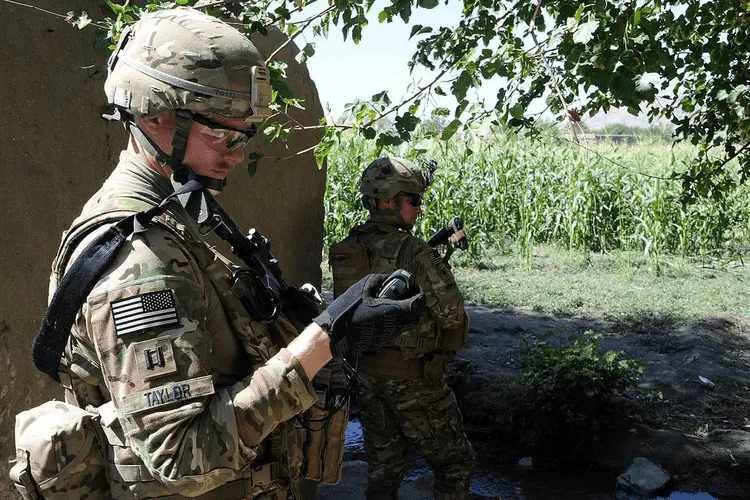
Wounded veterans are one group particularly in need of this kind of technology. Since 9/11, more than 2.5 million Americans have served in the military, with 80% of those having spent some time overseas. TheDepartment of Veterans Affairs has assigned disability ratings to approximately 40% of post-9/11 active-duty veterans, a significantly higher proportion compared to veterans of other eras.
Returning to civilian life can present enormous physical and mental challenges for wounded veterans. Fortunately, innovative technologies are helping to rehabilitate veterans and ease their transition back into society.
Active Hands’ Gripping Aids
The Wounded Warrior Project’s Independence Program helps veterans suffering from moderate-to-severe brain injury, spinal cord injury, or neurological conditions to achieve a better quality of life and regain their independence. One of the technologies used by the program is Active Hands’ gripping aids.
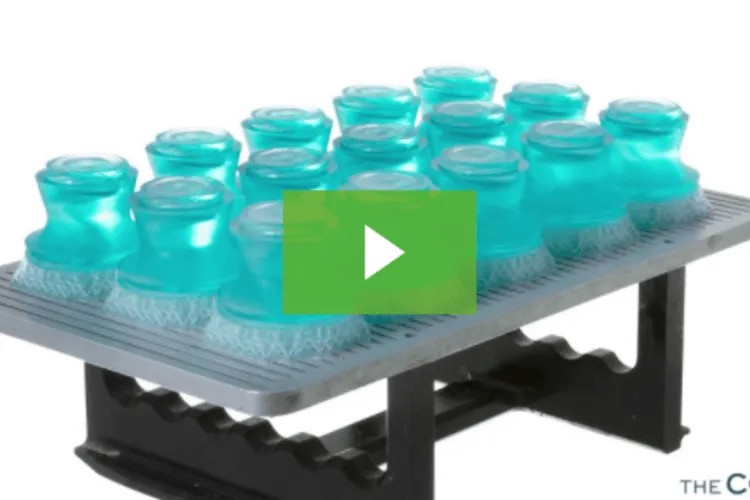
The company’s range of gripping aids, which can be put on independently, helps to hold a user’s hand in a firm grip. This enables them to hold objects such as gym equipment or musical instruments more tightly. The Small Item gripping aid, for example, helps users hold onto small items including pens and cutlery, while the Limb Difference aid is used in rehabilitation for patients missing fingers or other parts of their hands.
For veterans recovering from surgery or injury, Active Hands products can help the recovery process, making it possible for them to grip the equipment needed to recondition their bodies.
The Stephen Siller Tunnel to Towers Foundation’s Smart Homes
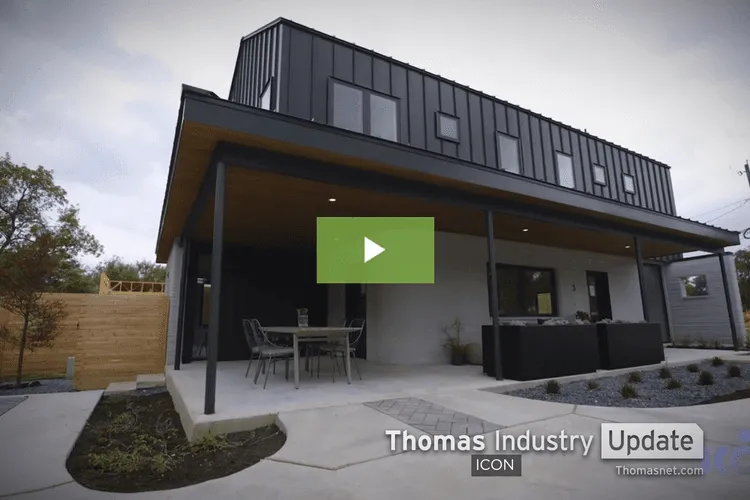
More than 40% of war veterans admit to feeling like a guest in their own home, something which non-profit organization The Stephen Siller Tunnel to Towers Foundation seeks to address with their mortgage-free smart homes designed for the most severely injured veterans. Each of the homes is uniquely tailored to the individual’s needs and comes fitted with innumerable AT features designed to make living more comfortable for veterans and their families.
Smart home system Control4 is a key feature of the foundation’s homes. Functioning as a command center, this technology connects everything from light switches to smart speakers and is operated via touchscreen control panels. Honeywell security systems ensure the home can be effectively monitored when vacant, and there’s also an option for a fire suppression system, which includes indoor sprinklers.
Other innovative features include automated doors, adjustable stovetops, smart toilets — which deodorize, clean, and sanitize themselves — and motion-activated faucets.
PTSD Treatments
The U.S. Department of Veteran Affairs estimates that 33% of soldiers are affected by post-traumatic stress disorder (PTSD) and 20% of veterans end up abusing drugs or alcohol when they return home. Certain technologies are being used to combat the impact of PTSD.
Apps
There are several apps available that have been designed to help veterans manage PTSD, including:
- VetChange — This app was designed by the U.S. Department of Veteran Affairs (VA) to help veterans struggling with alcohol or drug abuse manage their moods and cravings.
- PTSD Coach — The VA launched this app in 2011 to help veterans cope with the symptoms of PTSD. The app includes a self-assessment for PTSD, a symptom tracker, and various management tools. Since its release, the app has been downloaded more than 100,000 times in more than 74 countries.
- MY3 — Although not designed specifically with veterans in mind, this app has proved useful for veterans struggling with suicidal thoughts. Users define a three-person network of close, trusted friends and family who can be easily contacted when they are suffering and in urgent need of support.
Wearables
A team at the MIT Mobile Technology Lab is investigating the use of wearable technology that can measure a user’s physiological state to provide just-in-time adaptive interventions (JITAI). The team’s wearable wrist and ankle bands contain wireless biosensors that collect skin temperature, heart rate, and certain motions to identify unusual behavior. When the sensors predict an impending episode of distress, the user is alerted via an app and provided with in-device therapy to help modify their thoughts and emotions.