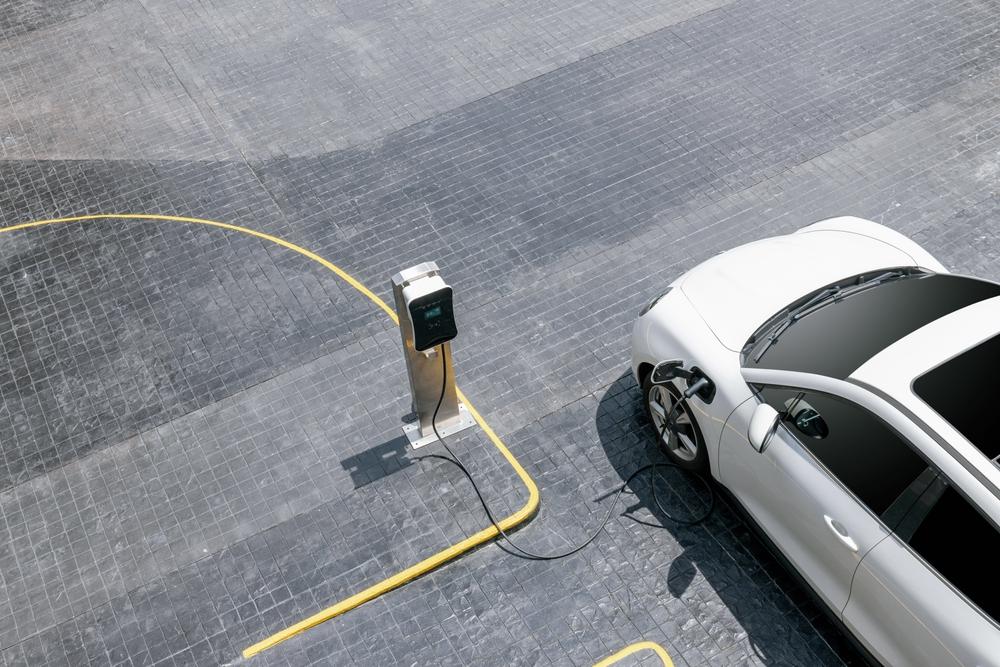
According to research conducted by AAA, 59% of surveyed adults say a lack of charging infrastructure is a key barrier to purchasing an electric vehicle (EV), while 53% cited “range anxiety,” the persistent fear of running out of juice while on the move.
This type of widespread consumer hesitancy has spurred the federal government to add funding for state and national charging infrastructure projects. Automakers are also doing their part by investing in battery technology to improve both range and charging times, in addition to uniformly rallying around Tesla’s pre-established charging standard.
More recently, another notable business has announced a solution after seeing the gap in this growing industry. Prologis, the largest owner of warehouses in the world, has revealed a project to cater to EV drivers — specifically, those driving the electric long-haul trucks that have found their place along highways in recent years.
Prologis plans to construct what would reportedly become Southern California’s largest EV charging stations — with up to 120 charging ports — specifically catering to commercial drivers.
Reports suggest that the station will be located in Torrance, within miles of massive ports in Long Beach and Los Angeles, and that the effort would involve a partnership with shipping giant Maersk.
While the influx of more stations would be a massive boost for electric rigs, they must also be reliable. An August study by JD Power suggests that user satisfaction with charging infrastructure has declined by 16% in the past year, largely due to the inconsistent functionality of public charging stations.