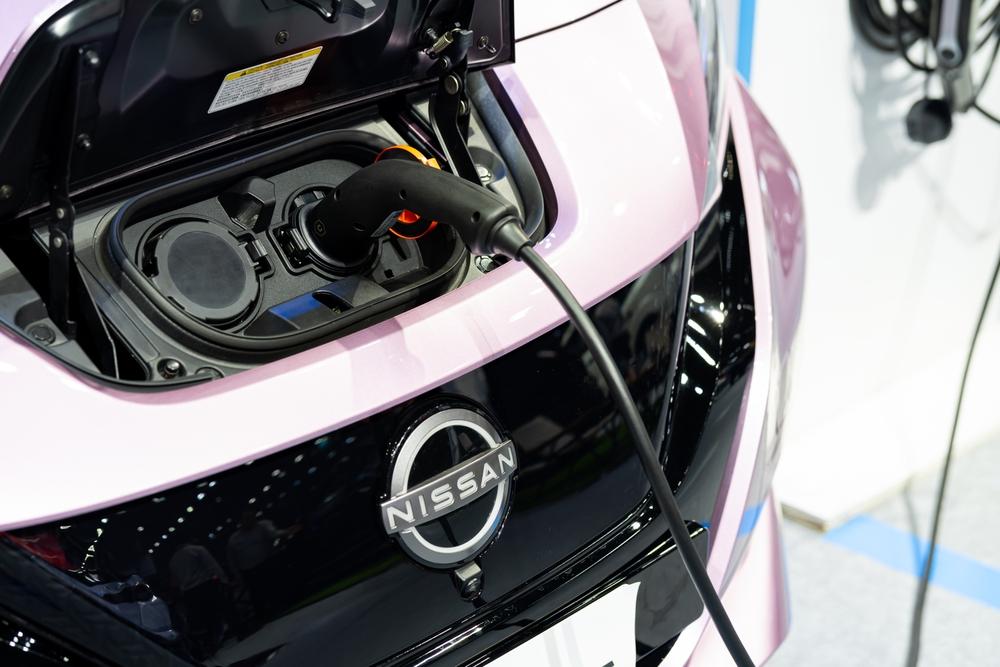
Nissanannouncedthat it would adopt gigacasting technology for its electric vehicles, InsideEVs reported. The Japanese automaker expects its gigacasted vehicles to be available around 2027.
Gigacasting: Turning 100 Parts into One
Nissan plans to use 6,000-ton presses for aluminum casting, merging up to 100 parts into one giant piece to form the vehicle’s rear underbody.
According to InsideEVs’ report, Nissan anticipates this production method will reduce overall costs by 30% and save approximately $1 billion in development expenses for five upcoming models.
Assisting in Electrification
The development aligns with Nissan’s goal of having 40% of its sales be battery-powered vehicles by 2031. This includes the company’s next-generation Leaf, which is expected to be manufactured in the U.K. and Japan and be available for sale in 2025.
Other Automakers Adopt Gigacasting
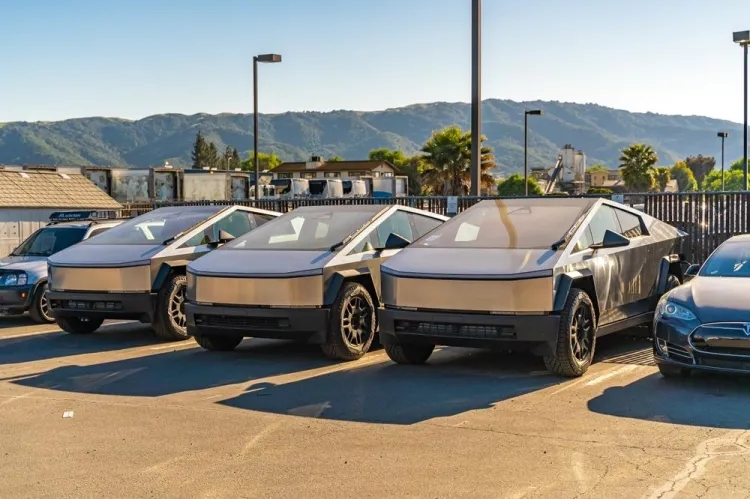
Tesla, Toyota, Ford, and Hyundai are among other automakers that have adopted gigacasting. Tesla uses 9,000-ton presses, and Toyota uses 4,000-ton presses.
Benefits and Challenges of Gigacasting
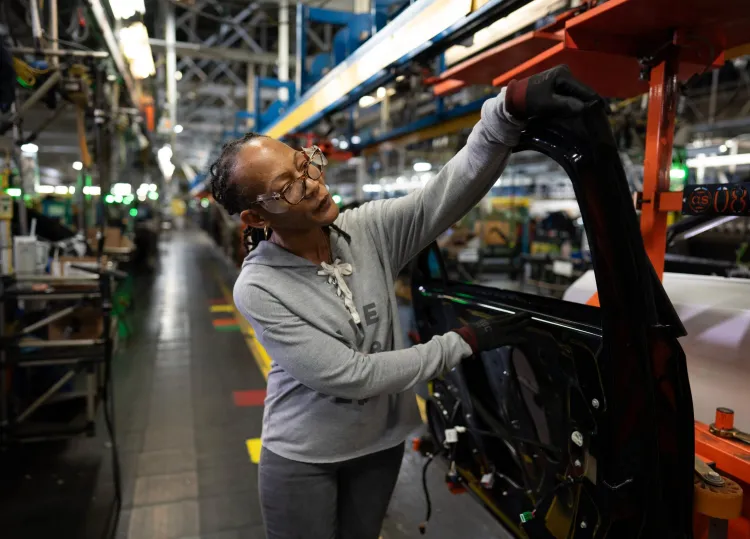
The technology reportedly lightens vehicles, streamlines assembly, and reduces production expenses by offsetting battery costs. However, challenges include high initial machine costs and difficulty integrating aluminum with steel in electric vehicle structures.
Nissan plans to address the steel and aluminum issue with drill screw technologies and self-piercing rivets.
Image Credit: Shutterstock.com / Wongsakorn Napaeng