Bonding materials is a labor-intensive process. The surface of glued materials must first be thoroughly cleaned and roughened, then primed, and finally applied with an adhesive and then cured — usually under pressure — to secure the bond. Once a material is bonded, it can be difficult to determine the stability of the bond or how long it will last. Also, chemical emissions are generated during the process and during the lifecycle of the product, and some of these emissions are harmful.
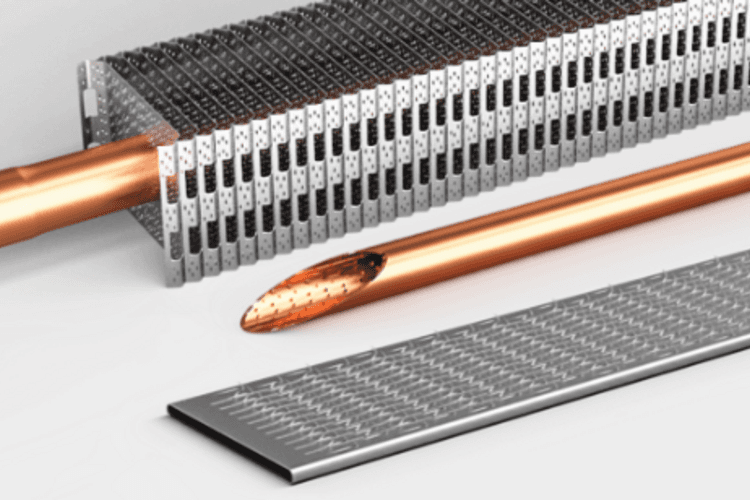
GRIPMetal’s patented technology that enhances metal surfaces with hooks similar to the hooks used in hook-and-loop fasteners — like the VELCRO®1 brand— aims to eliminate these problems. The GRIPMetal technology allows manufacturers to create thinner and stronger composite materials by bonding ultra-thin sheet metal substrates to plastic, wood, paper, and more. Compatible metal substrates include stainless steel, steel, copper, aluminum, brass, and even titanium.
“Our technology is changing the established way of manufacturing and looking at things completely differently,” says Mark Lavelle, global OE sales director for GRIPMetal. “Because GRIPMetal provides greater strength with less material, it enables manufacturers to eliminate many manufacturing processes and develop extremely lightweight products.”
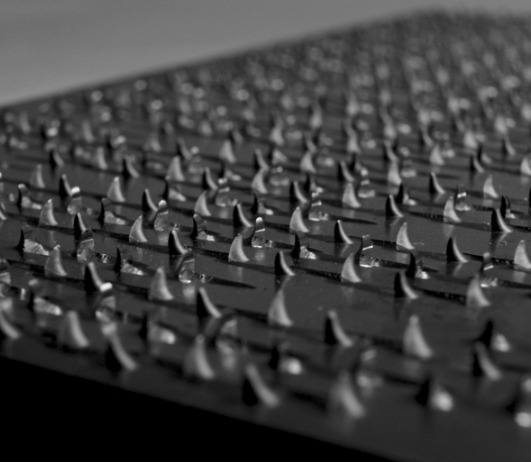
GRIPMetal is currently being used across a wide variety of applications, demonstrating the technology’s versatility.
For construction applications, GRIPMetal’s GRIPBlock™ is a cross-laminated timber (CLT) wood block structure that can be assembled and eventually later disassembled for reuse. These blocks are being connected with the same ease and precision as LEGO®2 blocks. Rothoblaas, an Italian company that is the major European supplier of fasteners for wooden buildings’ structures, uses GRIPMetal under the name Sharp Metal to join separate timber units into unified components speeding up and improving wooden buildings’ assembly process.
For industrial warehouses, garages, and workshops, GRIPMetal’s Super Steel Flooring (SSF) is a stronger and thinner composite floor designed to resist heavy loads and impacts. In the automotive industry, NRS galvanized brake pads, which use GRIPMetal enhancement, extend the brake’s lifespan and produce less noise. GRIPMetal technology also extends to the energy industry, where surface enhancement dramatically improves thermal energy transfer in heat exchangers and makes it possible to introduce thermal management in composite materials.
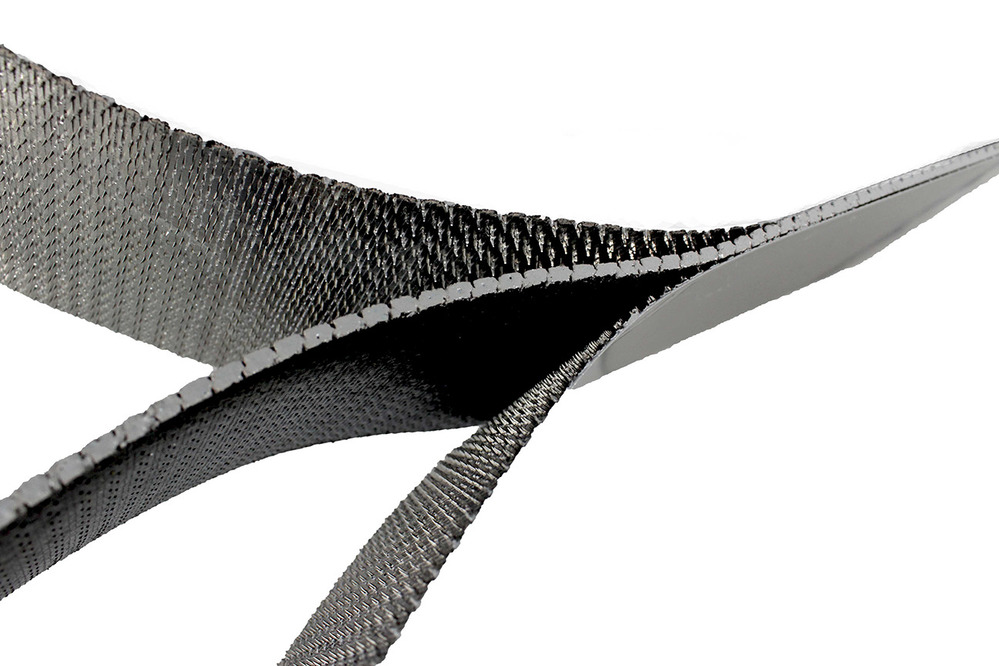
Going forward, GRIPMetal projects additional applications for the surface enhancement, including:
- Carbon fiber reinforcement and thermal management in composites
- Construction with CLT/NLT beams and panels
- Tool attachments
- Low-cost road and flooring solutions
- Radiant panels for cooling and heating
- Cooling electronics and batteries
- HVAC systems and heat exchangers
- Ballistic applications for buildings and vehicles
To learn more about GRIPMetal and the technology’s current and future applications, visit the website here.
This article is sponsored by GRIPMetal, a manufacturer and supplier of patented mechanical bonding technology used to create composite materials without adhesives.
Copyright & Trademark Notice
- VELCRO® is a registered trademark of Velcro IP Holdings LLC. Used with permission.
- LEGO® is a registered trademark of LEGO JURIS A/S.









![How VR and AR Are Infiltrating Industries from Aviation to Fashion [Thoughts After Dark]](https://machinerys.net/upload/cache/202507/how-vr-and-ar-are-infiltrating-industries-from-aviation-to-fashion-thoughts-after-dark.webp)