Do you miss the days of solving the maze on the back of a cereal box or collecting box tops to mail in for a prize? Luckily this is still possible with intelligent packaging — although in a slightly different way.
Also known as smart packaging, intelligent packaging is a rapidly growing industry that combines traditional packaging with advanced technologies to create interactive and functional packaging solutions. This means that instead of using a pencil to complete the maze on a cereal box, users can scan a QR code that takes them into a virtual reality (VR) space to interact with the characters on the box.
Intelligent packaging holds various benefits for manufacturers, including improved traceability, enhanced product quality, and increased efficiency in supply chain management. From new packaging trends to different applications, this is your complete guide to intelligent packaging.
What Is Intelligent Packaging?
Intelligent packaging combines traditional packaging with advanced technologies, creating interactive and functional packaging solutions. It’s designed to meet demand for food product safety, improved shelf life, and enhanced customer experiences.
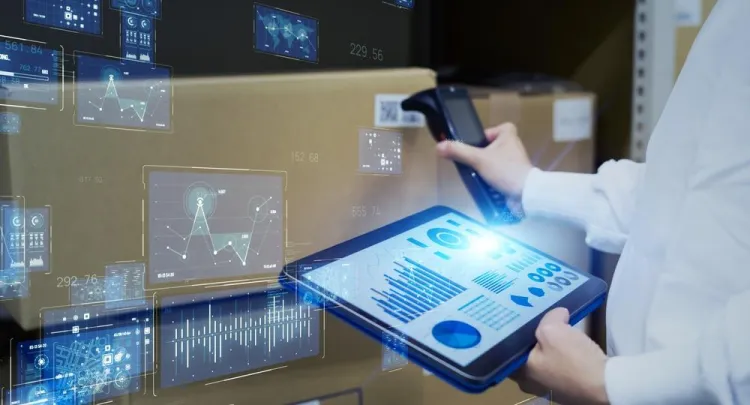
The packaging utilizes advanced technologies such as sensors, RFID tags, and QR codes to interact with the environment and offer additional features to customers. It can monitor the product’s condition, track it through the supply network, and provide relevant information to customers. Additionally, smart packaging often utilizes innovative features such as augmented reality (AR) experiences, which enhance the overall customer experience.
Benefits and Applications in Logistics and Manufacturing
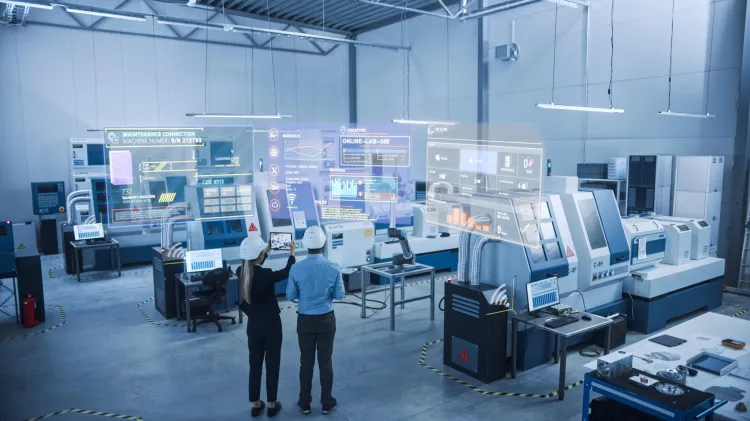
Smart packaging offers a range of benefits to both product distribution and manufacturing processes. The technologies used can improve traceability, reduce costs, increase efficiency, and enhance product quality in food applications and many other industries. In manufacturing, it can help automate and optimize processes, increasing productivity and efficiency.
Market Trends and Growth Potential
The intelligent packaging market is proliferating, with an increasing demand for innovative solutions. In 2023, the smart packaging industry is expected to reach $23.6 billion.
Several factors, including the rising demand for sustainable packaging solutions, improved product safety, and the evolution of e-commerce, drive the market growth.
Regulatory Requirements and Standards
Regulatory bodies such as the FDA and EPA require strict standards for food packaging. These standards ensure that the packaging materials are safe for consumers and that the technologies used meet the required safety standards.
The FDA monitors technologies for meat products, frozen foods, and other packaged food containers to ensure the public does not receive unsafe food. The EPA monitors the input materials and manufacturing process of smart packaging to minimize the impact on the surrounding environment.
Environmental and Sustainability Considerations
Sustainability is an essential consideration for intelligent packaging systems. When implemented correctly, they can help reduce waste, improve efficiency, and improve food quality. Single-use plastics generated 139 million tons of waste in 2021, up 6 million tons from 2019. New intelligent packaging materials are often recyclable or compostable to avoid increasing the amount of petroleum-based plastic waste.
Different Types of Intelligent Packaging Technologies
Intelligent packaging technologies offer various options for enhancing product safety, quality, and customer experience. Below are a few of the most common smart packaging technologies.
Sensor-based Packaging
Sensor-based packaging uses sensors to monitor environmental factors such as temperature, humidity, carbon dioxide, and pressure.
This technology is helpful for products that require specific environmental conditions to maintain quality and safety, such as food, pharmaceuticals, and medical devices. The sensors can trigger an alert when the product is exposed to unfavorable conditions, allowing corrective measures to be taken before the product is compromised.
RFID and NFC Packaging
Radio-frequency identification (RFID) and near-field communication (NFC) technologies allow for tracking and identifying products and inventory. RFID tags can be attached to products, and their location can be monitored throughout the supply network, providing real-time data on inventory levels and shipment tracking. NFC tags can also provide customers with additional product information, promotions, and discounts.
Learn how RAIN RFID technology is creating a truly circular economy.
Time-Temperature Indicator Packaging
Time-temperature indicator (TTI) packaging is designed to monitor the surrounding environment that food products are exposed to. TTI packaging systems use an indicator that changes color when the product has been exposed to unfavorable conditions such as temperature abuse or exposure to oxygen. This technology benefits perishable products such as fresh produce, meat, and dairy.
Smart Labels and Tags
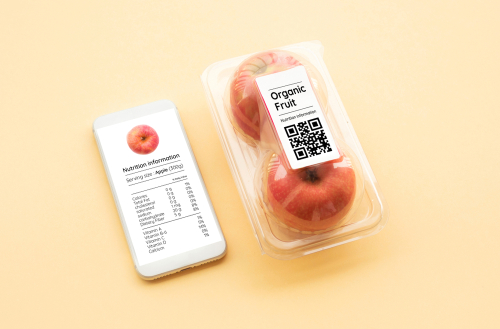
Smart labels and tags are designed to provide consumers with additional product information, including nutritional information, ingredients, and origin. These labels can also be used to provide information about promotions and discounts. Smart labels and tags can use QR codes or NFC technology to allow consumers to access additional information about the product, including recipes, cooking instructions, and product reviews.

Applications of Intelligent Packaging
Intelligent packaging technologies have numerous applications across various industries.
Food Quality and Food Supply Chain
Smart packaging is used in the food industry for monitoring and enhancing food quality and safety throughout the lifespan of a food product. Sensors and critical temperature indicators can be used to monitor temperature, humidity, and other factors to ensure that the food remains safe for consumption while also maximizing the food’s shelf life. Time-temperature indicators can be used to monitor food freshness, and RFID tags can be used for tracking and inventory management of food products.
Modified atmosphere packaging is another form of smart packaging designed to improve the shelf life of meat products and other perishable items. This is accomplished by replacing oxygen with other atmospheric gasses, such as carbon dioxide or nitrogen. Adding these gases inhibits microbial growth inside the package resulting in longer shelf life, improved visual appearance, elimination of chemical preservatives, and flavor preservation.
Pharmaceutical Industry
Intelligent packaging technologies are essential in the pharmaceutical industry for tracking and tracing drugs and medical devices throughout manufacturing. RFID tags and sensors can monitor temperature and humidity during transportation and storage, ensuring the medicines and devices remain safe and effective. Intelligent packaging can also authenticate products, preventing counterfeiting and ensuring patient safety.
Cosmetics and Personal Care Industry
Intelligent packaging solutions are used in the cosmetics and personal care industry for product authentication and anti-counterfeiting measures. QR codes and NFC tags can provide customers with additional information about the products and authenticate the products’ origin and authenticity. This technology can help prevent counterfeiting, ensure consumer safety, and improve customer experience.
Current Challenges for Smart Packaging
While intelligent packaging technologies offer many benefits and opportunities for various industries, several challenges need to be addressed to realize their potential fully.
Integration with Existing Processes and Systems
One of the primary challenges is integrating it with existing processes and systems. For example, implementing active packaging may require changes in the storage and transportation of products and the way food products are tracked and managed. Ensuring seamless integration into existing systems will require close collaboration between packaging manufacturers and other stakeholders in the industry.
Cross-Industry Collaboration and Standardization
Technologies are still evolving, and there is a need for cross-industry collaboration and standardization to ensure interoperability and consistency across different products and industries. Standardization will reduce costs and improve efficiency in implementing and using active packaging technologies.
Cybersecurity and Privacy Concerns
Intelligent and active packaging technologies collect and transmit data, raising cybersecurity and privacy concerns. Manufacturers must ensure the data collected is secure and protected from cyber threats. They also need to ensure that the data collected complies with privacy regulations to protect the consumers’ personal information.
Cost-Effectiveness and Scalability
Chemical sensors, freshness indicators, and modified atmosphere packaging can all be expensive, especially for small and medium-sized enterprises (SMEs).
Packaging manufacturers need to develop cost-effective solutions that can be scaled to meet the needs of different businesses, including SMEs. To do so, they may need to work with partners to find ways to reduce costs and improve scalability.
Innovation and Customization for Different Industries and Products
Smart packaging solutions need the flexibility to be customized for different industries and products to meet their needs. This requires continuous innovation and the development of new technologies to meet the unique requirements of various industries and products. Packaging manufacturers must work closely with their customers to identify their needs and develop innovative solutions.
5 Predictions for the Future of Intelligent Packaging
The future of intelligent packaging is promising, with many exciting trends on the horizon.
1. Advancements in Sensor and Data Analytics Technologies
Advancements in sensor technologies are expected to lead to more accurate and reliable monitoring of various parameters such as temperature, humidity, and pressure. Sensors can also monitor carbon dioxide, organic acids, and microbial growth to improve food safety and food traceability.
The integration of advanced data analytics technologies, such as machine learning and artificial intelligence (AI), will enable better insights and decision-making in real time.
2. The Emergence of Blockchain-Enabled Packaging
The use of blockchain-enabled packaging is expected to increase in the future, as it provides enhanced transparency and traceability throughout the supply chain. This technology will enable consumers to track the journey of their products, ensuring that they are authentic and safe to use.
3. Use of Intelligent Packaging for Sustainability and Circular Economy Initiatives
Intelligent packaging can contribute to sustainability and circular economy initiatives by reducing waste and minimizing the environmental impact of packaging. Food packages that detect and communicate the freshness of food, for example, can help reduce food waste. Additionally, intelligent packaging made from biodegradable and compostable materials can help reduce the environmental impact of packaging waste.
Learn how RAIN RFID technology is creating a truly circular economy.
4. Smart Packaging Using Augmented Reality and Interactive Features
Smart packaging features can enhance the consumer experience by providing additional information about the product, engaging consumers with games or quizzes, and allowing them to personalize the packaging.
5. Integration of Artificial Intelligence and Machine Learning
Artificial intelligence and machine learning technologies will be increasingly integrated into intelligent packaging to enable predictive analytics and optimization. By analyzing data collected from sensors, AI algorithms can help identify patterns and predict potential issues, allowing for proactive measures to optimize performance and prevent problems.
Intelligent Packaging Transforms Supply Chain Management
Intelligent packaging transforms how products are packaged, transported, and consumed — offering numerous benefits and applications, including enhanced product quality control, real-time monitoring, and personalized consumer experiences.
However, some challenges must be addressed, such as integration with existing systems, privacy concerns, and cost-effectiveness. Nonetheless, with the emergence of future trends, such as advancements in sensor technologies, blockchain-enabled packaging, and the integration of AI and machine learning, the potential of intelligent packaging is immense. As the industry evolves, intelligent packaging will continue to shape the future of product packaging and supply chain management.
Discover More Smart Packaging Guides
- Smart Packaging: Types, Examples, and Trends
- Emerging Technologies for Smart Food Chains
- Smart, Sustainable Packaging Drives Up Retail Packaging Sourcing 51% YoY [Powered by Thomas Industrial Data]