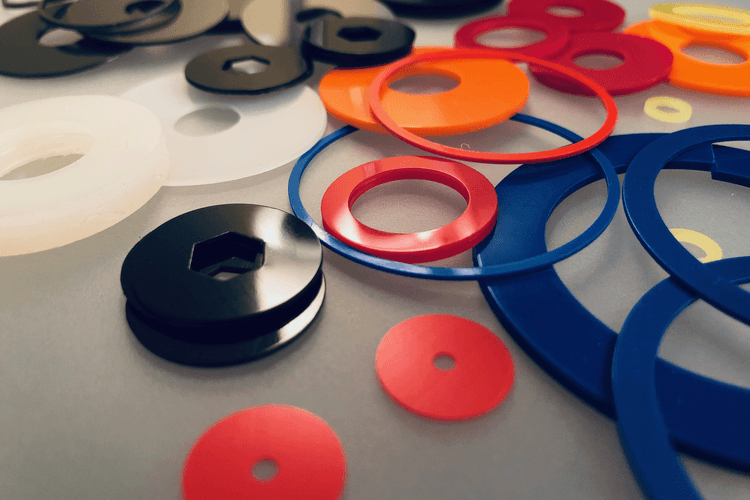
As materials for stamped parts become more refined, manufacturers are turning toward plastic alternatives such as Nylon and Teflon in place of traditional metal components due to their low cost and reliable quality.
To help manufacturers select the material best suited for their particular application, non-metallic stampings and extruded thermoplastics manufacturer New Process Fibre recently compiled a free material selection guide focused specifically on these thermoplastics and their industrial applications.
Developed to steer readers through the project material evaluation and manufacturing process, New Process Fibre’s Material Selection Guide: Nylon and Teflon™ PTFE distinguishes the structural differences between Teflon, Nylon 6, Nylon 6/6, and Nylon MDS. It also poses captious questions to help readers discover which material best suits specific projects based on mechanical stresses, ductility, and resistance for longevity and high performance.
“We’ve been in this business since 1927, so we know the tough questions people ask about components before initiating a project. Will the parts be exposed to extreme temperatures? Does this part need to be stiff or flexible? Is FDA compliance a factor?” said William L. Rust, vice president of sales and marketing at New Process Fibre. “This guide covers the characteristics of various thermoplastics to help manufacturers get the information they need to help them find the right material.”
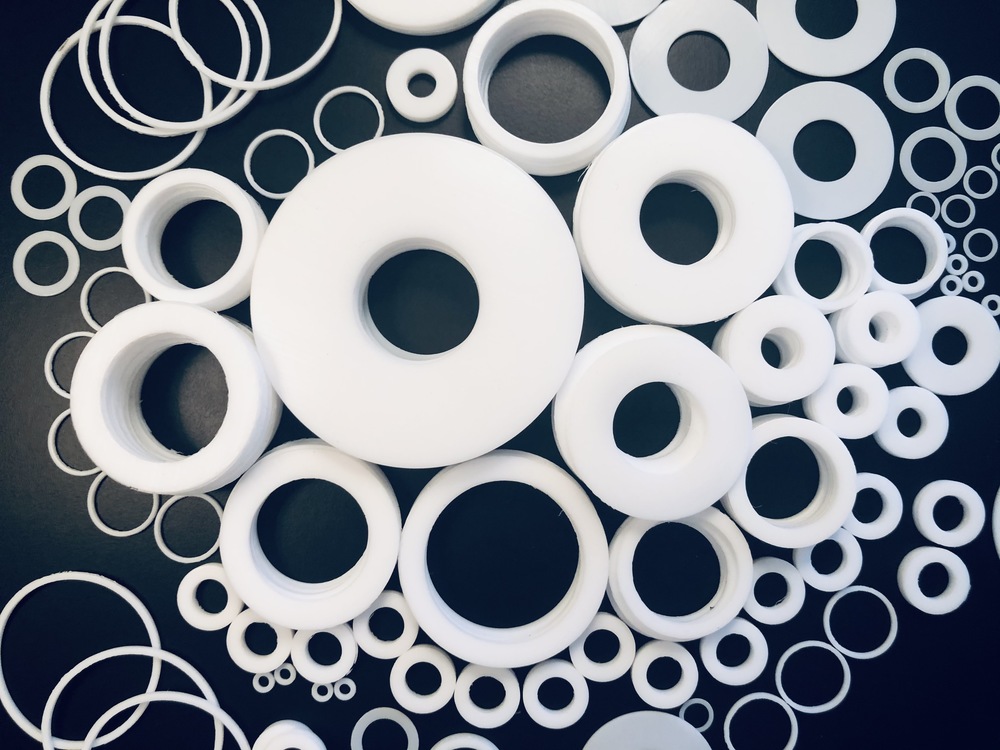
From fire sprinkler systems to stain repellent for textiles, thermoplastics are used in a variety of applications for industries ranging from medical to automotive due to their versatility. The manufacturer’s material selection guide even delves into the varying dielectric strengths, the flexural modulus, and the izod impact of thermoplastics to determine the specific demand of the application, whether it be extreme durability, chemical resistance, or insulation.
Serving the U.S. for over 90 years, the Greenwood, Delaware-based company was founded with a goal of improving the manufacturing process and its products. New Process Fibre produces products for nearly all spheres of life and for almost every industry, including electronics, plumbing, and defense.
This article was sponsored by New Process Fibre, a manufacturer of plastic, fibre, Teflon, Nylon, and other non-metallic components serving the medical, military, automotive, and marine industries.