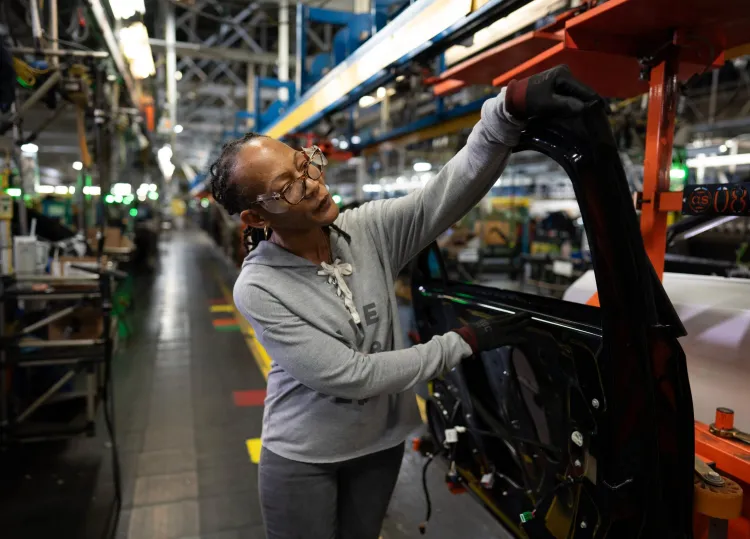
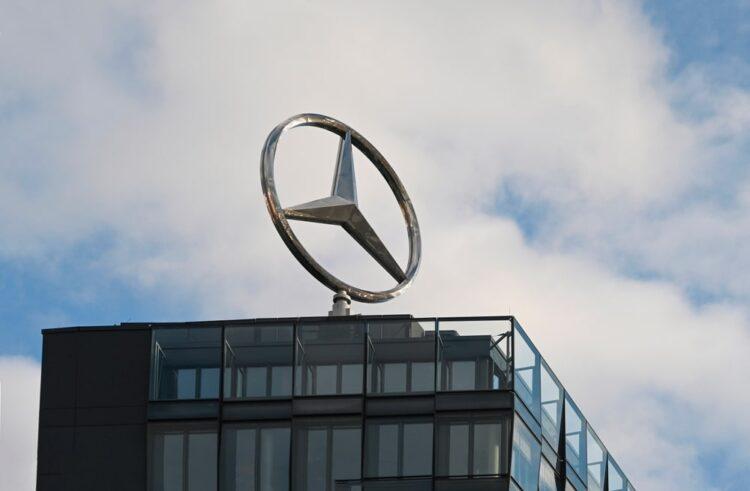
Mercedes-Benzis advancing car manufacturing by integrating artificial intelligence (AI) and humanoid robots into its production network at the Digital Factory Campus inBerlin-Marienfelde, Germany.
AI and Robotics in Automotive
Although Mercedes-Benz has used industrial robots since the ‘70s, humanoid robots are a whole new level of automation, capable of learning and adapting through AI. The company is working with U.S.-based robotics firm Apptronik to integrate Apollo, one of the world’s most advanced humanoid robots, into its manufacturing process.
Apollo is initially assisting with intralogistics—transporting parts and materials to assembly lines—so as to allow highly skilled workers to focus on more complex tasks instead. Mercedes-Benz is investing millions into this technology; the ultimate goal is having Apollo perform autonomous operations.
Production Smart Assistants
The MO360 AI Factory, part of Mercedes-Benz’s digital production ecosystem, is introducing AI-powered chatbots that assist workers in real time, making life easier for the company’s employees.
Workers can ask questions about machine maintenance or best practices and receive instant responses in many different languages. AI assistants analyze production data to quickly identify and resolve quality issues.
Axial Flux Motors
Mercedes-Benz will also be making new and advanced, high-performance axial-flux motors at the Marienfelde plant starting next year. Designed forelectric vehicles, these motors have a compact design and offer higher efficiency and power density compared to traditional electric motors.
Developing these motors required 100 processes in total, with 65 completely new to the giant automaker—35 of which have never before been seen in the industry. The company has also pioneered new laser technologies and bonding methods, many of which were developed in-house, resulting in more than 30 new patents.
Berlin Global Hub
Berlin-Marienfelde has long been the center of the automaker’s digital production expertise. For example, the hub played an important role in preparing the Rastatt plant for the production of the new Mercedes-Benz CLA—the first model to feature the Mercedes-Benz Operating System.
These latest AI and robotic automation developments are not just improving the Berlin plant, but are being tested and put in place across the company’s global production network.
Image Credit: Shutterstock/Savvapanf Photo