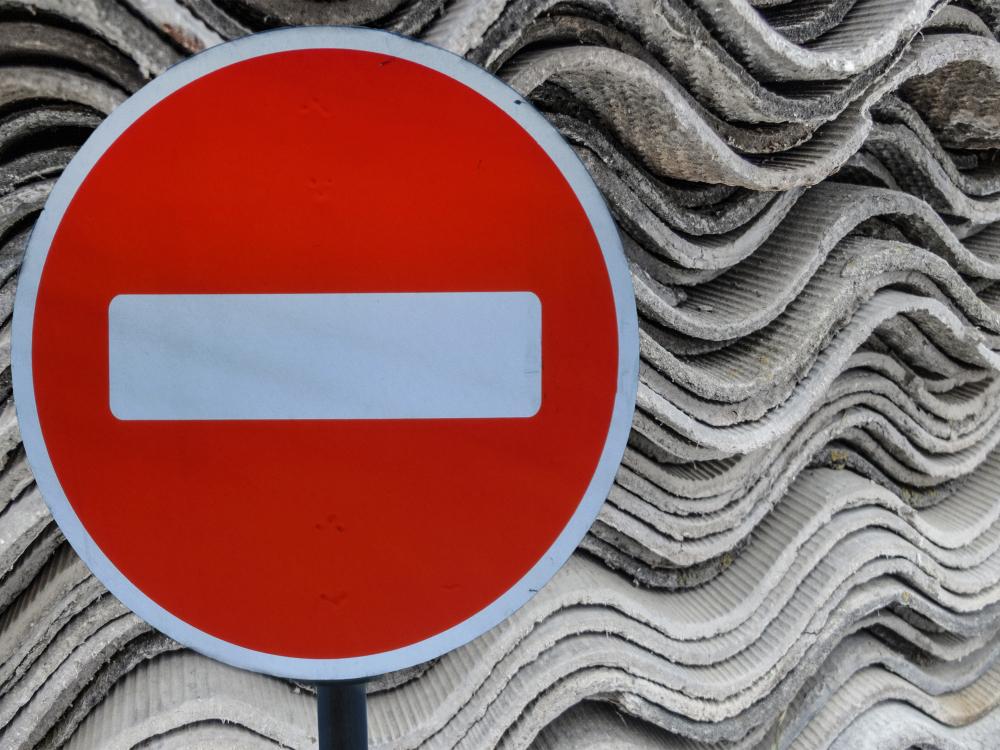
In a significant milestone in chemical safety efforts after decades of inadequate protections, on March 18, the U.S. Environmental Protection Agency (EPA) announced a final rule prohibiting ongoing uses of chrysotile asbestos. This is the only form of asbestos currently still being used in the U.S., under the 2016 Toxic Substances Control Act (TSCA) amendments.
The Harmful Effects of Asbestos Exposure
Asbestos, a naturally occurring mineral fiber, was commonly used in various industries for its heat resistance and durability.Chrysotile asbestosis found in products such as construction materials, automotive parts, and insulation, but its use has been declining for years. It’s already banned in over 50 countries, and for good reason.
Asbestos exposure is known to cause several severe health issues, including mesothelioma, lung, ovarian, and laryngeal cancer, and has been the cause of thousands of deaths annually in the United States. President Biden’s Cancer Moonshot initiative aims to end cancer as we know it, and the decision to ban asbestos aligns with this goal.
The Original Asbestos Ban
The partial asbestos ban was enacted in 1989 under the TSCA. This prohibited the manufacturing, importation, processing, and distribution of most asbestos-containing products, such as corrugated paper, rollboard, commercial paper, specialty paper, and flooring felt.
Despite the partial ban’s enactment, certain exemptions were allowed, for example, for asbestos-containing materials already in use or in stock at the time of the ban’s implementation. The partial ban also faced legal challenges, and opposition from the asbestos industry and other stakeholders.
The New and Improved Asbestos Ban
Emphasizing the need for stronger protections, the new ruling was supported almost unanimously by the U.S. House of Representatives, the Senate, and other public health advocates.
The rule sets compliance deadlines for transitioning away from chrysotile asbestos use, especially in the chlor-alkali sector, which uses asbestos diaphragms for water disinfection. The EPA is ensuring a reasonable transition period for affected facilities while prioritizing public health.
Final Asbestos Ruling
The final rule also addresses other asbestos-containing products, with phased bans andsafety measuresto protect workers during the transition. Additionally, the EPA is evaluating other asbestos fibers to further enhance safety measures. Overall, the ban signifies a crucial step towards protecting public health and advancing environmental justice under the Biden-Harris Administration.
Image Credit: Shutterstock/Stanslavs