Societies have long leveraged geothermal energy to power heating systems using the Earth’s heat. However, increasingly efficient technologies are making it possible to adopt geothermal energy systems at scale.
Let’s explore the current state of the geothermal energy sector, including applications, benefits, and production trends.
What Is Geothermal Energy?
Geothermal energy is renewable energy harnessed from underground reservoirs in the Earth’s core. The planet is continuously generating geothermal heat through various processes, including the slow but ongoing decay of radioactive particles within its core.
The Earth’s inner core has an approximate temperature of 5,200° C. Additionally, it is under extreme pressure equivalent to 3.6 million times sea-level air pressure. The combination of high pressure and heat causes thermal (heat) energy conduction.
Geothermal Production
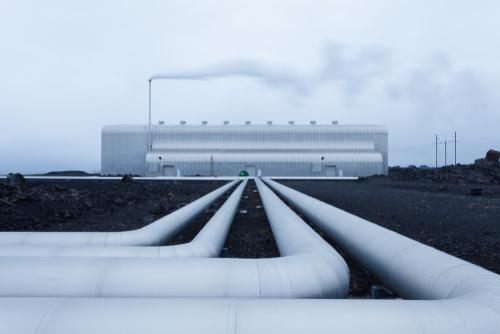
Geothermal resources are typically harvested by drilling deep wells from the Earth’s surface into underground geothermal reservoirs. This energy can then be routed to power turbines, which are connected to electricity generators.
Geothermal Energy by State
As of 2021, only seven states have geothermal power plants.
- California with 70.5% of total U.S. geothermal production and 5.8% of the total share of geothermal state energy generation.
- Nevada with 24.2% of total U.S. geothermal production and 9.4% of the total share of geothermal state energy generation.
- Utah with 2.2% of total U.S. geothermal production and 0.8% of the total share of geothermal state energy generation.
- Oregon with 1.3% of total U.S. geothermal production and 2.2% of the total share of geothermal state energy generation.
- Hawaii with 1.0% of total U.S. geothermal production and 0.3% of the total share of geothermal state energy generation.
- Idaho with 0.5% of total U.S. geothermal production and 0.5% of the total share of geothermal state energy generation.
- New Mexico with 0.3% of total U.S. geothermal production and 0.1% of the total share of geothermal state energy generation.
Whereas California produces the most total energy from a geothermal power plant, Nevada is using this renewable energy source to meet nearly 10% of its overall energy generation needs. The other five states are harnessing geothermal energy in a minimal capacity.
Geothermal Energy Globally
The following 10 nations produce the most considerable amount of geothermal energy each year:
Nation |
Annual Production in MW (megawatts) |
| United States | 3,714 |
| Indonesia | 2,133 |
| Philippines | 1,918 |
| Turkey | 1,526 |
| New Zealand | 1,005 |
| Mexico | 962 |
| Italy | 944 |
| Kenya | 861 |
| Iceland | 755 |
| Japan | 603 |
Notably, each of these countries is located along the perimeter of or in close proximity to the Ring of Fire, a string of very active seismic sites and volcanoes that spans the borders of the Pacific Ocean.
Geothermal Energy Companies to Watch
Naturally, the rising number of geothermal projects has garnered public interest. There are currently three geothermal energy companies to watch.
- Ormat Technologies, Inc. (ORA): The Nevada-based company specializes in geothermal energy harvesting and storage.
- Eversource Energy (ES): Eversource Energy is a public utility holding company that primarily engages in energy delivery.
- Chevron Corporation (CVX): Chevron has invested in several renewable energy ventures, including geothermal energy.
Geothermal Energy Subsidies
There are several state and federal programs designed to promote the adoption of geothermal energy, including:
- California Energy Commission Geothermal Program: This program promotes geothermal energy development by providing technical and financial support to plan and commercialize geothermal energy production.
- GeoPowering the West: This Department of Energy (DOE) program forges partnerships with U.S.-based geothermal companies, residential consumers, and government officials to provide cost-shared funding and technical support.
- U.S. Department of Energy Tribal Energy Program: This DOE program provides funding opportunities and support to Native American renewable energy projects.
Additional local and state-level subsidies may also be available, including both financial and technical support.
Benefits of Geothermal Energy
State and local entities can accomplish a few feats by incorporating geothermal energy into power production strategies.
1. Reducing Carbon Emissions
Unlike fossil fuels, geothermal energy sources do not produce any harmful byproducts during energy harvesting. Instead, steam and heat energy power turbines, which generate electricity.
2. Lowering Energy Costs
Implementing geothermal energy can help utility providers reduce energy costs and pass savings on to consumers.
3. Creating Jobs
Opening a geothermal energy facility can create hundreds of jobs and inject cash into local communities.
Challenges Facing Geothermal Energy
There are several roadblocks that can discourage the construction of geothermal energy facilities.
1. Location Restraints
Geothermal facilities must typically be positioned in seismically active areas, such as near fault lines or volcanic regions. As a result, many areas don’t have access to geothermal energy sources.
2. Earthquake Risks
Positioning power generation facilities within seismically active areas means that these sites are exposed to above-average earthquake risks.
3. Developmental Costs
Planning, constructing, and commissioning a geothermal facility requires an extensive initial investment. As a result, it can sometimes be challenging to get policyholders, investors, and constituents on board.
Applications of Geothermal Energy
There are three core use cases for geothermal energy.
1. Electricity Generation
Electricity generation is the most well-known application of geothermal energy. Once energy is generated at a centralized location, it can be distributed to consumers or stored for later use.
2. Heating and Cooling
Residents that live in a seismically active region can use geothermal heating by installing geothermal heat pumps on their property and using the Earth’s thermal energy to warm their homes and get hot water.
3. Industrial Processes
Forward-thinking manufacturers have begun using geothermal energy systems to power their various production and assembly processes.
Environmental Impact of Geothermal Energy
Geothermal energy is generally considered a more sustainable form of energy. However, there are a few environmental concerns associated with using geothermal energy.
Most notably, geothermal facilities typically require significant amounts of water to cool equipment and facilitate other operational processes. If this water is not managed properly, the resulting water pollution can be substantial. Additionally, some hazardous waste is generated as a byproduct of geothermal power production.
Geothermal Energy vs. Other Renewable Energy Sources
Now, let’s examine how geothermal energy compares to other popular renewable energy sources.
Geothermal Energy vs. Solar Energy
Solar energy is a more versatile source of renewable energy, as anyone with direct sun exposure can install panels and generate electricity. However, geothermal energy has a capacity factor (CF) above 90%, meaning geothermal facilities are generating power near full capacity most of the time. Comparatively, solar solutions have a CF of just 14%, and wind has a CF of 25%.
Geothermal Energy vs. Wind Energy
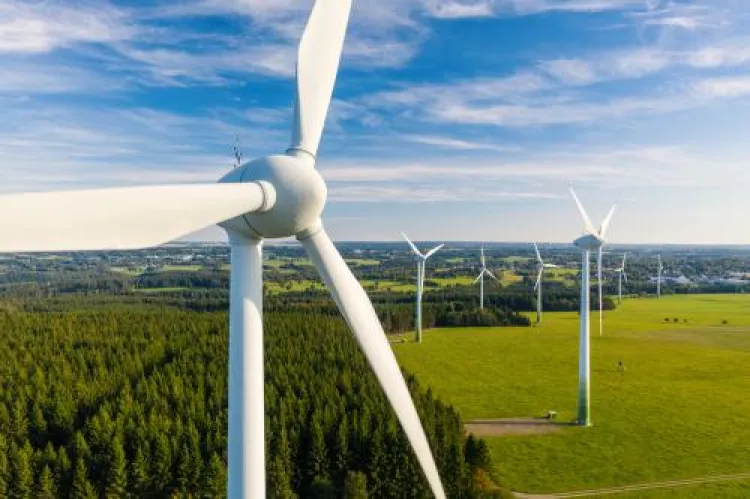
Like geothermal energy, wind energy can only be produced in select locations. However, it also has a lower CF, making it less reliable and robust than geothermal.
Geothermal Energy vs. Biomass Energy
Biomass facilities use biodegradable material to generate energy, making it a renewable source that can be used just about anywhere. But it also produces more emissions than other renewable energy sources.
The Future of Geothermal Energy
The combination of policy support, increased investments, and advancements in technology, such as enhanced geothermal systems, are setting the stage for geothermal energy to become a more mainstream source of renewable energy and reduce greenhouse gas emissions. However, there is still plenty of work to be done before geothermal energy provides a significant source of producing electricity for developed nations.
Geothermal energy production has come a long way over the last few decades. Despite the fact that it is only available in select parts of the world, geothermal energy use and geothermal technologies will undoubtedly play a role in creating a cleaner, greener energy future.