
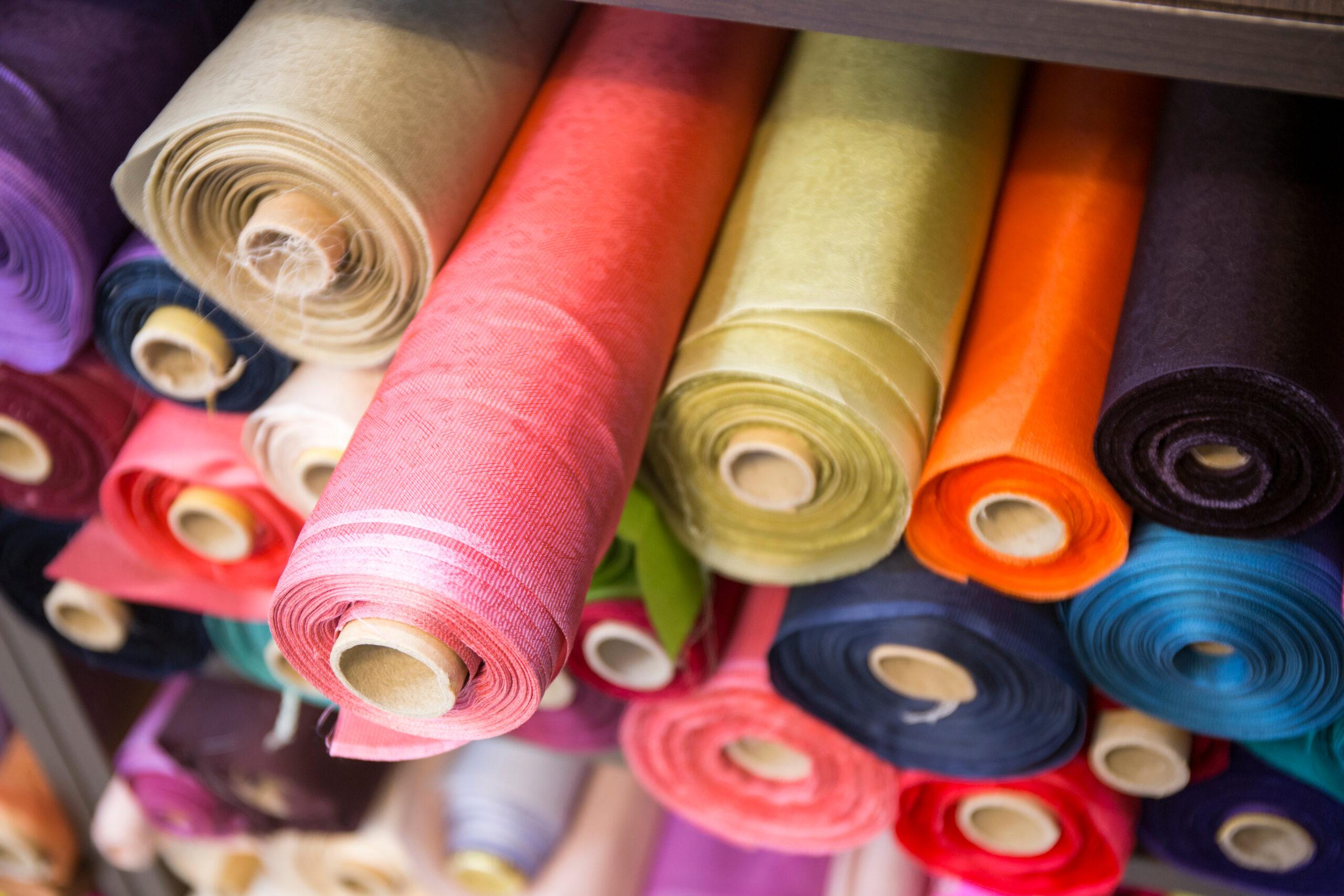
The textile and clothing industry releases 1.7 billion tons of carbon dioxide annually, which accounts for as much as 8% of the world’s greenhouse gas (GHG) emissions. Sustainable fabrics made with renewable or recycled materials via methods that conserve water and energy while reducing the use of environmentally harmful chemicals offer a solution that could lessen the industry’s impact on the environment.
With 38% of consumers favoring fashion brands that attempt to reduce their impact on the environment, sustainable fabric manufacturing is more important than ever before.
From biodegradable textiles and polyester recycling to e-textiles and virtual fittings, here are five trends making waves in the sustainable fashion sector.
1. Biodegradable Textiles
About 92 million tons of textile waste end up in landfills each year. The decomposition process — which can take hundreds of years — emits various GHGs and other harmful chemicals, polluting the air, groundwater, and soil.
The growing popularity of biodegradable textiles, which include cotton, silk, wool, linen, hemp, bamboo, and jute, could help offset the fashion industry’s carbon footprint. Derived from plant and animal products, these materials limit the use of synthetic fibers, dyes, and chemicals, and reduce our dependence on landfills; resulting in fewer GHG emissions.
With these benefits in mind, a growing number of sustainability-conscious companies are unveiling their innovations in biodegradable textiles. Here are just a few examples:
2. Sustainable Dyeing
Textile dyeing systems are a major contributor to water pollution, with every tonne of fabric produced requiring as much as 200 tonnes of water. Most of this water is returned to the world’s water systems as toxic waste, containing residual dyes and other hazardous chemicals, which impair photosynthesis, inhibit plant growth, and enter the food chain.
Sustainable dyeing is a welcome alternative, designed to minimize the environmentally harmful effects of dyes and pigments and reduce resource consumption. Various sustainable dyeing technologies are available, including.
3. Recycling Catalysts
Research suggests that less than 1% of all waste textiles are recycled. Though not yet operating at scale, recycling catalysts could help increase the amount of textiles that get recycled.
This method can quickly and cost-effectively convert used textiles into valuable recycled materials while limiting the amount of hazardous chemicals and GHGs that are released into the atmosphere. Some examples of recycling catalysts include:
4. Polyester Recycling
Polyester is the fashion industry’s most widely used material, making up around 50% of all clothing. That’s not a good thing.
As well as being derived from fossil fuels, polyester garments are responsible for releasing toxic dyes and microfibers into the environment. Further, once these items are discarded, the majority are sent to landfills, where they take hundreds of years to decompose and contribute to GHG emissions.
With this in mind, fashion brands are increasingly producing garments made from recycled polyester. In 2021, Textile Exchange and the UN Fashion Industry Charter for Climate Action launched the 2025 Recycled Polyester Challenge, which saw 130 companies commit to using polyester from recycled sources. On Earth Day in 2023, Adidas took the opportunity to announce that 96% of the polyester in its clothing is recycled.
While these efforts may sound promising, many critics have said polyester recycling is simply another form of greenwashing. As much as 99% of recycled polyester is sourced from water bottles, and not from the fibers of recycled clothing. And while water bottles can be recycled back into new bottles several times over, they can no longer be recycled again once they are repurposed into polyester clothing.
Textile-to-textile recycling is by far the most sustainable approach, but sadly, it is not currently happening at scale.
5. Technological Innovations
In addition to new methods of creating and recycling fabrics, various technological innovations in the way clothes are made and sold are driving sustainability in the textile industry. Here are some examples:
Image Credit: Shutterstock/Let Geo Create