![Just Laser It Away: How Tattoo Removal Works [Thoughts After Dark]](/upload/20250615/cqihwbhquae.png)
Thoughts After Dark answers the questions you have in the final moments before drifting off to sleep when a simple Google search turns into an hour-long exploration into how things are made and how they work. Your random late-night questions are answered here — even the ones you didn’t know you had.
There are many ways that people express themselves: clothing, jewelry, nail art, and brightly colored hair. But there is one form of expression that is a bit more permanent — tattoos.
Tattoos allow people to memorialize a loved one, continue a tradition, put something they simply like aesthetically on their bodies, or artistically represent something that matters to them. My tattoos all have some type of meaning to me, whether it be a reference to my favorite poem, a character created by my favorite animation director, or a cup of my favorite drink.
According to a 2019 survey by Ipsos, 30% of Americans have at least one tattoo, an increase from 21% in 2012. However, 8% of those surveyed said they weren’t happy with at least one of their tattoos.
Before 1967, anyone with a tattoo they hated would be mostly out of luck. And while tattoo removal has been around for a few decades, it wasn’t until the last 10 years that laser treatments used to remove tattoos have really been refined.
So, how does removing a tattoo work exactly?
A Brief History of Tattoo Meaning and Removal
Tattooing dates back as far as 3370 BC and has been used in different cultures for a variety of reasons. For many First Nations people, facial markings are tradition. These markings — which some Indigenous people are now bringing back — include strong, bold lines, usually starting below the bottom lip and drawn down the chin. While the meanings of the designs vary from one group to another, the marking is usually related to a significant event or considered a “rite of passage.”
But not all tattoos have a positive meaning. During the Holocaust, tattoos were given to Jewish people at Auschwitz to identify them. Tattooing was often done during registration at the camp, in which prisoners had their camp serial number tattooed on their left forearms. Ancient Greeks and Romans also used tattoos to mark slaves, making it difficult for them to run away.
Fortunately, when we think of tattoos now, they are a fun way for people to express themselves, alter their body in a consensual way, and take back a tradition that may have been banned. Some couples even get a wedding band tattooed on their ring finger to signify a permanent commitment.
But not all people end up happy with how their tattoos turn out or remain permanently happy with their decision.
While modern tattoo removal is still far from pain-free, old methods of removing tattoo ink included scraping down the top layers of skin and then removing the pigment before stretching the skin, cutting the tattoo out, and using graphed skin to patch the person back up. But tech has, fortunately, advanced since then.
Modern Tattoo Removal and How It Works
In 1967, Dr. Leon Goldman discovered how to use a 694 Ruby laser to remove a tattoo. Ruby lasers work by producing high intensity laser beams to create short pulses. When a laser light from the Ruby hits the skin, the absorbed energy is converted to heat, which can kill diseased cells, target melanin, and remove tattoo ink.
In the 1980s, specialists began using CO2 lasers in place of the 694 Ruby laser, and while both methods were definitely a step up from previous tattoo removal methods, removal was still very painful and caused unnecessary scarring.
The 1990s brought about more efficient, less painful, and safer methods of tattoo removal. Q-switch lasers became commercially available in the ’90s and are still used today by some specialists. These lasers create a large pulse with high levels of energy that can remove a variety of wavelengths of color and more successfully break down tattoo ink. The ink is actually expelled from the body through absorption in the bloodstream.
Unfortunately results still vary with the Q-switch laser, as these lasers require as many as 15 sessions and the end result isn’t always satisfactory.
Most recently, picosecond lasers were incorporated into the world of tattoo removal. These lasers leave minimal damage on the skin and sometimes only require one session; although it’s more likely someone will need six or seven. The Pico laser sends “ultra-short pulses of energy — without heat — to targeted problem areas … shattering the problem skin pigment or particles.”
This method is the gentlest yet on the skin, as well as the least painful. Treatments are highly targeted, which means if there are any issues or damage to the skin, the area is contained. However, there have been reports of the surrounding skin changing color on patients with darker skin tones.
Ultimately, modern tattoo removal does work, but results will vary based on the age of the tattoo, the color, and even a person’s immune system. The cost also varies, but The American Society of Aesthetic Plastic Surgery estimates the average cost to be about $463 per session.
World’s First Remote Tattoo
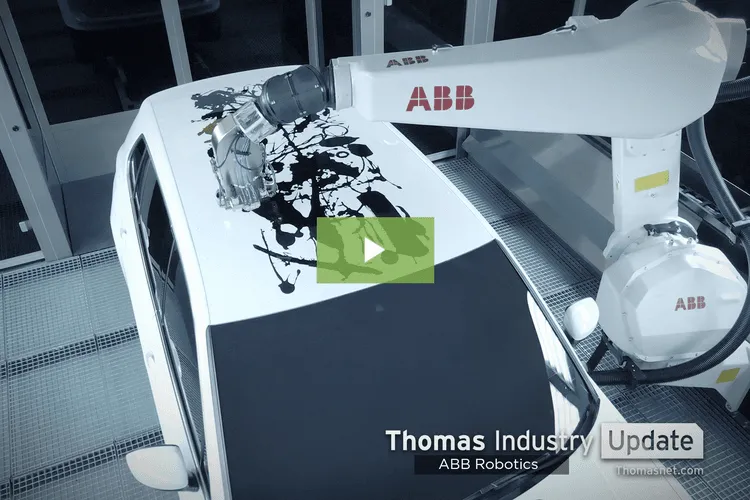
On the topic of trusting tech to get an important job done (or undone) — would you trust a robot arm to tattoo you? What about a robot arm that, in testing, plunged straight through a tomato and cut very deeply into a butternut squash?
This year, T-Mobile, a roboticist, a tattoo artist, and a tattoo recipient teamed up to successfully pull off the first ever remote tattoo done by a 5G-enabled robotic arm. The tattoo artist, Wes Thomas, used a program designed by Noel Drew, a technologist, to translate his needlework. While Thomas tattooed a mannequin’s synthetic skin, a robotic arm in an entirely different location physically tattooed Dutch actor Stijn Fransen.
While they were a bit worried the robotic arm may too deeply penetrate the skin, they ultimately pulled it off. The reason for this test? To demonstrate the low latency of 5G technology.
Technology has come a very long way in terms of tattooing and tattoo removal. Not only did humans find a way to permanently mark the skin, but they also found a way to remove it. Perhaps tattoos will eventually join nail art and hair dye in the list of less-permanent forms of self expression as they ultimately become more refined and affordable.
Read more from Thoughts After Dark:
-
Time Millionaires Prioritize Leisure Over Tangible Wealth
-
Green Means Calm: Do Mood Rings Actually Detect Emotions?
-
“Foodstagramming”: Why Do People Share Photos of Their Food Online?
-
Studies Show Music Can Have a Positive, Negative Impact on Productivity
-
How Are Beyond and Impossible Burgers So Juicy and Meaty?