As is the case with many technological advancements in the industrial sector, attention must always be paid to factors impacting the operational environment. So, in addition to “green” planning and regulatory compliance, employee safety is an obvious concern.
Recently, studies have shown that bits of carbon from the plastics and resins used as 3D printing materials can be released into the air during printer operation. When inhaled, these can present significant health concerns. The relatively “new” application of 3D printing within mainstream manufacturing also means no research had previously examined these potential safety concerns or devised safeguards against them.
Enter Chungsik Yoon and his colleagues from the Department of Environmental Health and Institute of Health and Environment at Seoul National University.
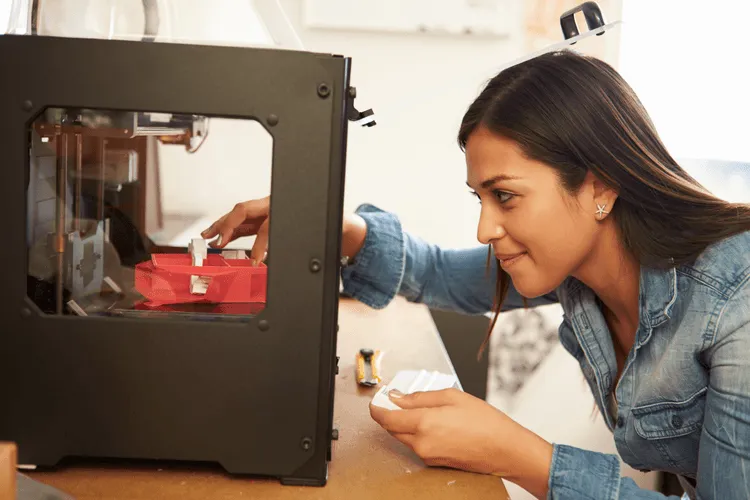
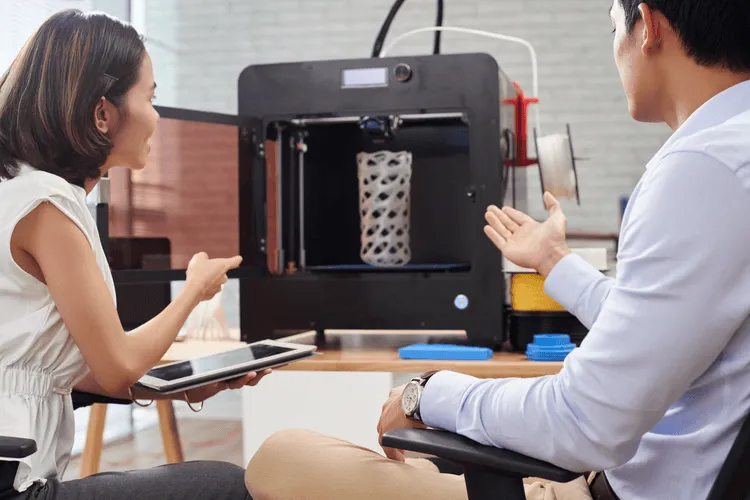
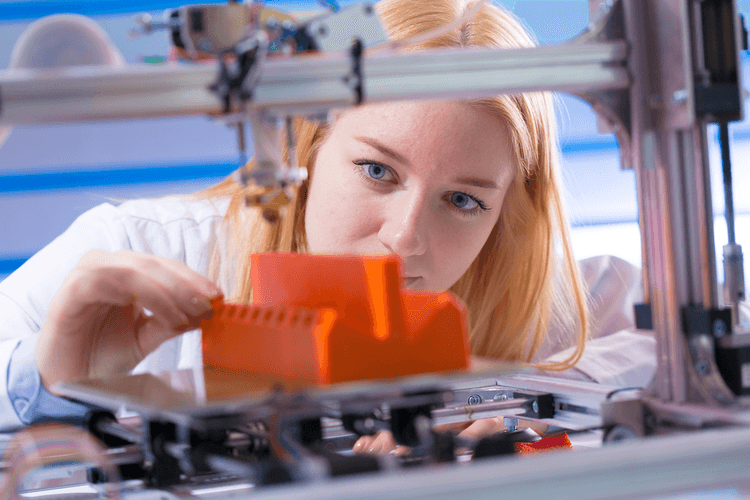
They worked with 3D printers that use the fused-deposition modeling technique, as it represents the most broadly utilized approach. Their findings offer some key insights into 3D printer safety, including how using the printers at the temperatures recommended by the manufacturer resulted in fewer particles being released into the air.
In terms of mitigating printer pollution, they found the most effective approach involved the use of an enclosure and high-efficiency particulate air filter while running the machine at lower temperatures. By placing the printer inside of the enclosure and installing a HEPA filter, which is often used in cleanroom environments, more than 99 percent of these particulates were prevented from reaching the air.
The environmental benefits of 3D printing have been discussed at length, and showcased as a key reason to invest in the technology. However, little attention had been paid to some of the effects this process and its related materials could be having on the health of the machine operators during the part creation process. These new findings and the associated safety precautions should allow this technology to progress in a safer, more efficient manner.