In bringing many science fiction-like ideas to the real world, the Defense Advanced Research Projects Agency (DARPA) has been breaking ground in the areas of aerospace, renewable fuels, and advanced materials for nearly six decades. Now, however, it looks like the agency’s impact could reach even further.
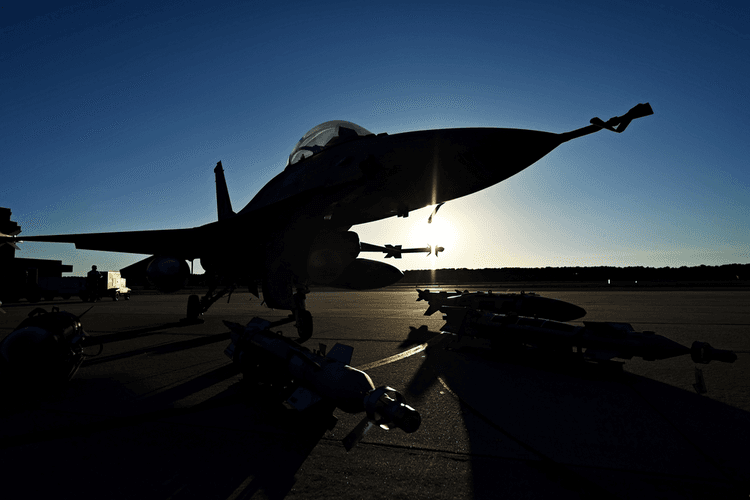
One is its most recent projects is the Flying Missile Rail drone development. Simply put, this would be a drone that could deploy from the wing of a combat jet. Offering possibilities, such as plane-to-plane combat, reconnaissance, intelligence gathering, and scientific research, one of the most intriguing elements of this project is the manner in which the military sees it being produced.
One unfortunate reality of the Department of Defense is that it is subjected to many of the same bureaucratic processes as the rest of our government. Slow appropriations and political gridlock can frustrate military leaders as they see the development and implementation of new technologies, which can contribute equally to winning and deterring wars, mired in complex and highlypoliticizedchannels of appropriations and negotiations.
In what appears to be a way to circumnavigate the typicalsystem of checks and balances, DARPA references the ability to produce hundreds of these drone systems within a couple of weeks as a primary focus of the project. Achieving the objective could, in theory, be realized through the use of 3D printed prototypes and advanced, additive manufacturing processes.
Not only would these approaches help get these drones in the air more quickly and cost-effectively, but it would allow the DoD to avoid many of the logistical costs associated with selecting specific manufacturing partners and sites. A streamlined method of manufacturing could also change the fulfillment parameters from a time-based dynamic to one purely based on the availability of already known materials.
Added flexibility for the military supply chain could be a game-changer. Potentially, design changes could be realized more quickly, part and system requisitions could become more fluid, and the deployment of technologies that support the multifaceted missions of the armed forces would be more efficient and cost-effective.