Cool roofs could be more effective at cooling cities than traditional green roofs, solar panels, or even street-level vegetation, according to a study from University College London (UCL).
While the study focused on London, its authors say the findings could have significant implications for any place dealing with stifling heat.
UCL’s Green Findings
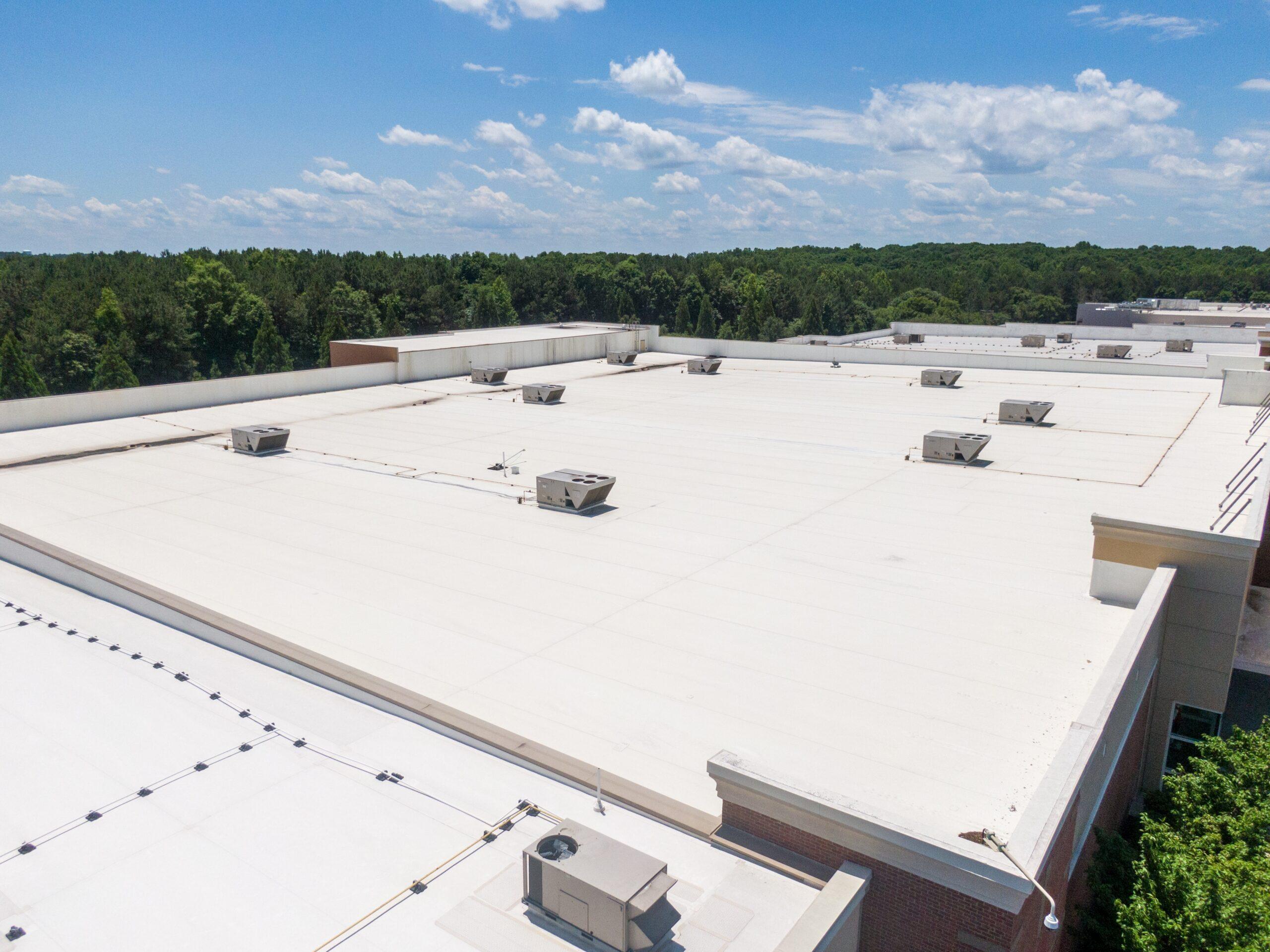
The UCL team, led by Dr. Oscar Brousse, simulated the temperature impacts of different interventions during the two hottest days of a London summer in 2018. Its findings show that cool roofs—white or reflective coating roofs—reduced average outdoor temperatures by about 1.2°C. In contrast, the cooling effect of additional tree cover was just 0.3°C, while solar panels fared no better, reducing heat by a meager 0.5°C.
Even green roofs and street-level vegetation offered little in terms of cooling when compared with the widespread use of reflective roofing.
The Science Behind Cool Roofs
Cool roofs work by reflecting sunlight rather than absorbing it, according to the UCL team. This not only lowers external temperatures but also helps keep indoor spaces cooler, reducing reliance on air conditioning.
This dual benefit could make cool roofs an appealing solution for urban areas reeling under the Urban Heat Island effect—urban structures trapping heat, which, in turn, exacerbates heat stress and discomfort for those working or living inside.
Other Ways to Reduce Heat Islands
From a business perspective, addressing the Urban Heat Island effect is crucial for improving operational efficiency and sustainability.
For instance, companies can invest in planting trees around their properties, thus reducing the demand for air conditioning.
They could also invest in ENERGY STAR-rated appliances and systems to reduce energy consumption during peak heat events, leading to better grid reliability.
Image Source: Shutterstock / Oak City Drone