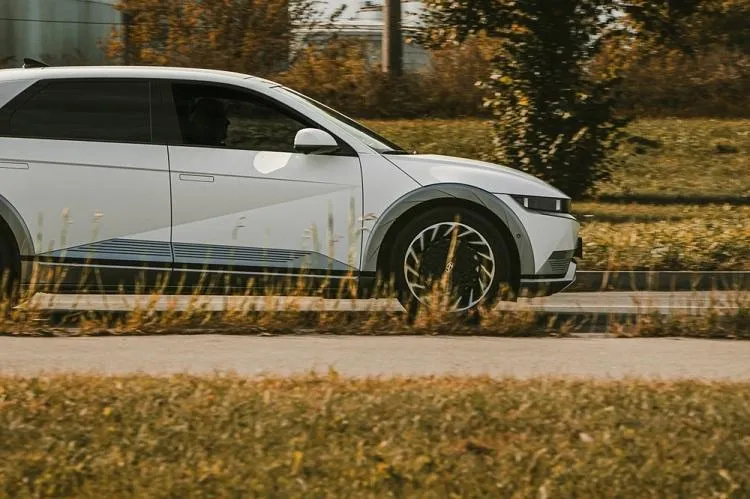
If fully autonomous vehicles (AVs) are the future, it’s a future that everyone should want to be a part of. According to theBureau of Labor Statistics, a car accident occurs every 13 minutes in the United States. Automation could eliminate many of these accidents, reduce congestion, optimize the driving experience for passengers, and reduce the transportation sector’s carbon dioxide emissions.
With this in mind, automakers are heavily invested in manufacturing the first commercially available, fully autonomous cars. The U.S. autonomous car market size is estimated to reach$14.79 billion in 2024and is expected to reach $37.56 billion by 2029.
Despite projected market growth, several significant challenges remain. These include cybersecurity and data privacy concerns, driver and pedestrian safety, and lacking infrastructure. Can the industry overcome these hurdles, and in what time frame?
What Are Autonomous Vehicles?
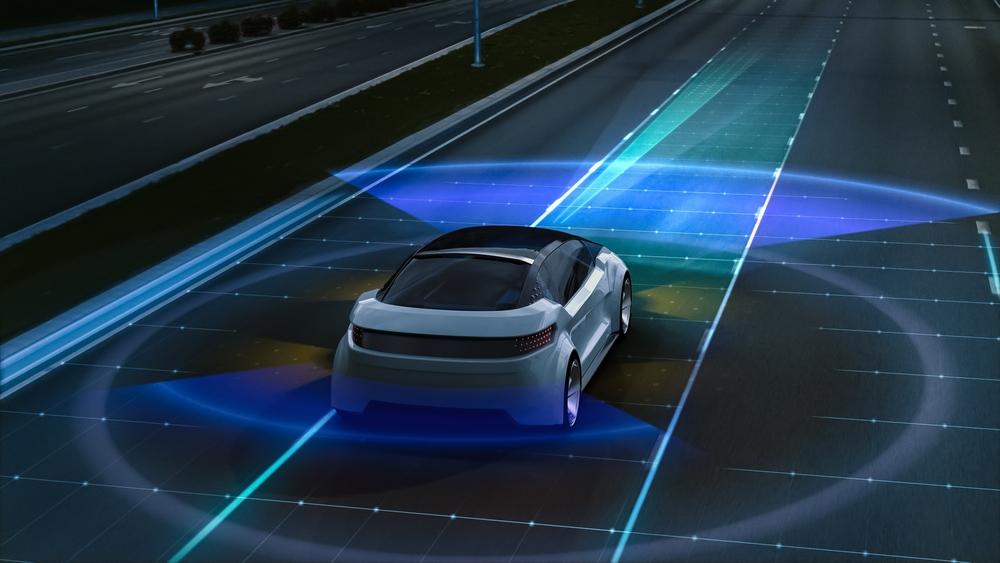
AVs, also known as driverless vehicles, self-driving vehicles, and robotic vehicles, use sensors, radar, cameras, artificial intelligence (AI), and machine learning (ML) to operate without human input. They are designed to assess their surroundings, monitor critical systems, and control movement and navigation.
The U.S. National Highway Traffic Safety Administration (NHTSA) has outlined thesix levels of driving automation. Level 0, named Momentary Driver Assistance, categorizes vehicles with low-level assistive features, such as automatic emergency braking, forward collision warning, and lane departure warning. Human drivers are fully responsible for operating Level 0 vehicles, which means they must always be engaged and attentive.
At the other end of the scale, Level 5, is full automation. Level 5 vehicles can navigate without human intervention under all conditions and roadways. Occupants act only as passengers, so they do no need to be engaged or even awake.
Some advanced self-driving features, such as adaptive cruise control and lane-keeping assistance, are becoming more commonplace. However, full AVs are not yet available in the U.S. for consumer purchase.
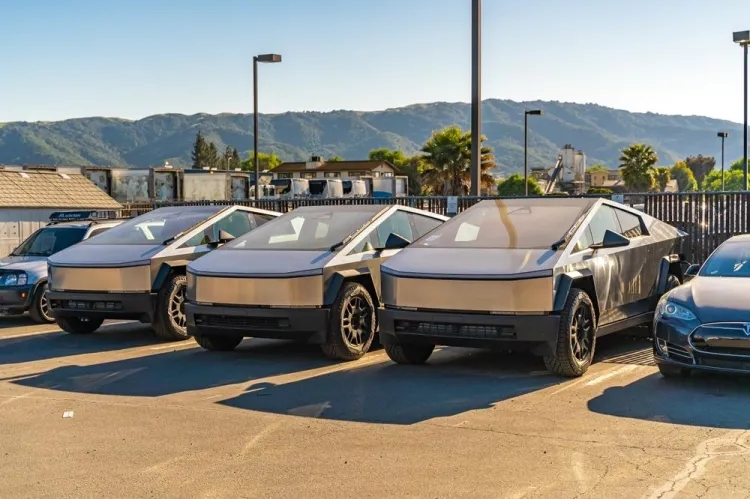
Audi, BMW, Ford, Tesla, General Motors, and Volvo are among the automakers developing and testing self-driving cars. Let’s explore some of the challenges they face in more detail.
Related Insights
Autonomous Vehicle Infrastructure
McKinsey reportsthat multi-passenger robo-taxis could account for 50% of all miles traveled on U.S. roads by 2040. Its only caveat is that some fairly hefty infrastructure investments are required to support self-driving cars.
For example, potholes and bumpy terrain present safety and navigation challenges for AVs, and a lot of U.S. roads are in pretty bad shape. A systematic approach to repairs would be useful, facilitating pilot testing in the short term and widespread AV adoption in the longer term.
Existing road markings, signage, and signals must also be updated since they will not be recognizable to AVs. Vehicle-to-infrastructure (V2I) systems, such as road sensors, digital street signs, and smart traffic lights, are a possible, though expensive, solution. These systems feed critical information directly to AVs, enabling safe and efficient navigation.
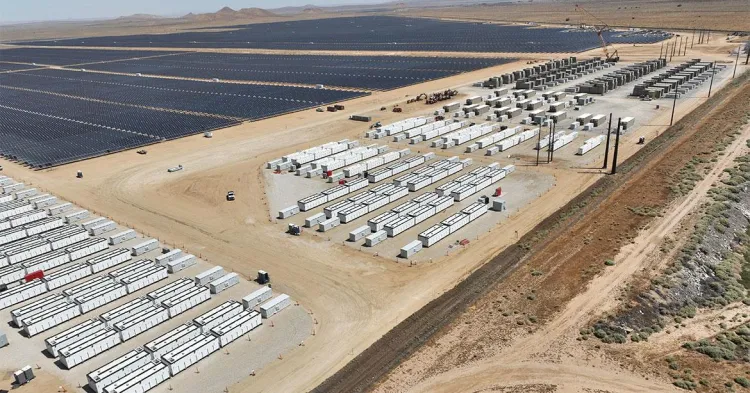
Finally, the rise of AVs goes hand in hand with the rise of electric vehicles (EVs), necessitating the establishment of a more robust charging network.
Autonomous Vehicle Cybersecurity and Data Privacy
AVs depend on complex networks of software and hardware, which collect and process vast amounts of data.
As automakers and governments build out the technical infrastructure to accommodate these vehicles, thus increasing their connectivity, the rate of cybersecurity breaches will increase. AVs are susceptible to various cyber attacks, including remote hacking, vehicle spoofing, data breaches, sensor data tampering, and insider hacking,
These attacks compromise sensitive data, including passengers’ personal information and precise location, and could result in vehicle malfunctions that cause accidents and put people’s safety at risk.
Related Insights
Safety in All Weather Conditions
AVs use radar and LiDAR to detect objects, pinpoint locations, and navigate safely. These technologies have worked reliably in many scenarios, but their perception and sensing abilities tend to fail in adverse weather conditions.
Snow, rain, hail, sandstorms, and fog can directly affect a vehicle’s surroundings. Not only does this make it harder to identify objects, but it also creates discrepancies between map information and the data gathered by sensors, which can lead to localization inaccuracies.
Bad weather also impacts range.Research showsthat for electric AVs, warm weather conditions decrease range by up to 17%, and cold weather conditions decrease range by up to 41%.
Researchers are investigating more refined sensors that can operate effectively in different weather conditions. Scientists at the University of California San Diego, for example, areworking to improve the imaging capabilityof existing radar sensors, which will result in “LiDAR-like radar.”
Instead of an industry-wide resolution, theDepartment of Transportationrequires the manufacturers of AVs to declare precisely what types of weather conditions their products can operate in.
Radar Interference
Powerful sensor systems that use radar technology are a critical component of AVs, enabling them to identify potential hazards, self-park, and safely and accurately navigate from A to B.
However, challenges with this technology will arise as more AVs take to the streets, armed with sensors capable of providing 360◦ situational awareness at various distances. Since most radars operate in the same frequency band, the risk of interference, which reduces a vehicle’s detection capabilities, is a growing concern.
TheNational Highway Traffic Safety Administration (NHTSA) notesthat “with multiple radars operating in near proximity and an environment of multiple sources of scattering, the performance of each radar degrades as the interference level rises.”
Radar suppliers and automakers are under pressure to develop the technology to ignore the presence of other radars and continue to operate effectively. For example, a “listen-before-talk” scheme could enable more structured communication among radars.
How to Overcome Challenges with Autonomous Vehicles
Building and maintaining maps, managing interactions with other vehicles, cyclists, and pedestrians, operating in adverse weather conditions, and addressing radar interference are some technological challenges associated with autonomous driving.
Automakers must launch comprehensive research and development programs, deploy rigorous pilot testing, and combine their technologies with sophisticated AI algorithms to overcome these.
One of the reasons that manufacturers are struggling to scale the development of AVs is that regulations vary enormously from country to country.
To drive wider adoption of AVs, automakers, governments, and international bodies must collaborate to establish a universal standard. This should encompass privacy, safety, and compliance.
McKinsey’s report recommends that initial infrastructure changes are made to accommodate pilot testing, followed by the necessary changes to suit mixed traffic, before finally establishing the infrastructure to support a complete transition to AVs.
It also stresses the importance of investing in infrastructure and prioritizing shared autonomous mobility (SAM). Not only will this ensure that the rise of AVs results in less congestion and fewer passenger miles, but it will also prevent the need for costly modifications in the future.
According to research conducted by the Pew Research Center, the majority of Americans (63%) said they would not want to ride in autonomous cars if they had the opportunity.
To increase public trust in driverless cars, automakers, and governments must be transparent, engaged, and informative. It’s important that the benefits and limitations of AVs are fairly represented and that people have a reasonable understanding of how the technology works.
Automakers must prioritize the design and build of robust cybersecurity frameworks, which feature advanced encryption methods, ongoing threat monitoring systems and security updates, and sophisticated detection and response protocols. In addition, data security and protection policies should be comprehensively and coherently communicated to prospective customers.
Government-set standards and best practices will help to drive industry-wide adoption of robust cybersecurity policies.
Emerging Technologies
Vehicles that offer the highest levels of automation currently available to consumers include the Cadillac Escalade, the Genesis G90, the Ford F-150, and the BMW X5. Models like these offer Level 2 automation, which means the system provides continuous assistance, but the driver remains fully engaged and attentive.
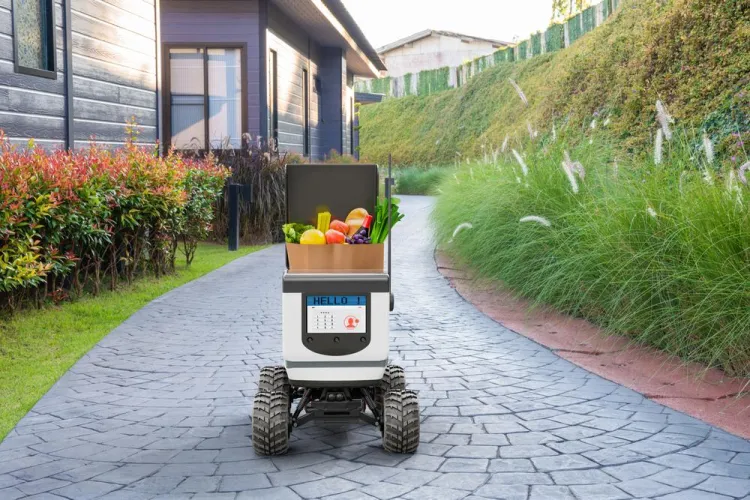
Other companies are carrying out extensive testing on vehicle fleets, which often have higher levels of automation. Gatik, for example, has developed a fleet ofautonomous trucksthat deliver goods from distribution points to retailers, whileKodiak Roboticshas developed advanced autonomous technology that is being used in semi-trucks transporting goods for the likes of Kroger and Ikea.
Waymo’s AVs are among the most advanced. The company already operates a sizable fleet of robot taxis in San Francisco and Metro Phoenix and has revealed its plans to expand into Los Angeles, where it has been testing its driverless white Jaguars in confined areas for the past year. Waymo hopes to procure a license in LA so it can roll out its full robotaxi service, which lets riders order and pay for rides via an app. Last month, the company alsorevealed plansto unleash its self-driving cars onto the freeway in Phoenix. To date, Waymo’s cars have traveled 7.1 million miles and have caused just three minor injuries.
According to McKinsey, L4 robo-taxis are now expected to become commercially available at a large scale by 2030, and fully autonomous trucking is expected to reach viability between 2028 and 2031.
Collaboration and Industry Partnerships
The process of designing, building, testing, and scaling autonomous cars is complex and time-consuming. As such, the industry’s advancement relies heavily on collaboration and partnerships, which can drive innovation, improve functionality, and ensure safety.
Legacy automakers, for example, do not have the technical expertise to develop cutting-edge autonomous driving systems. At the same, tech companies are short of the cash and resources required to establish a fully-fledged auto company. Neither can go it alone, but together, they have the skills and the means to propel the industry forward.
Cross-sector collaboration can help companies address legal and regulatory challenges, create ethical frameworks, lobby for government change, and foster public trust.
Regulatory Landscape
According to McKinsey’s 2023 global executive survey on autonomous driving,60% of industry decision-makersbelieve regulation is the biggest bottleneck to AV adoption.
The regulatory landscape is complex for several reasons, including conflicting government guidelines, public concern, rapidly advancing technology, new infrastructure, and concerns surrounding ethics.
As the technology develops, governments will face additional pressure to pass legislation ensuring quality and safety while providing the space and infrastructure for companies to test and scale their designs. Ethical guidelines drawn upby Germany in 2027, for example, state that autonomous driving systems must be programmed to avoid injury or death of people at all costs, even if that means destroying property or hitting animals on the road.
The U.S. has passed various legislation concerning self-driving vehicles. In 2021, the NHTSAissued a Standing General Orderthat requires manufacturers and operators of automated driving systems and SAE Level 2 advanced driver assistance systems equipped vehicles to report crashes to the agency.
Last year, the U.S. Department of Transportation (DOT) increased funding for self-driving car development,awarding $94 millionin funding to states and local governments to improve transportation technology and systems.
In 2024, several states, including New York, California, and Florida, passeda range of legislation. Their efforts are designed to regulate the use of AI and address ethical considerations in autonomous driving while fostering an environment where innovation thrives.