It looks likeElon Musk’s plan for a high-speed underground transport network in Dubai is going ahead. On February 13, 2025, it was announced that Musk’s The Boring Company (“Boring”) and the Road and Transport Authority of Dubai entered into a preliminary agreement for theDubai Loop.
Boring Company and UAE Contract
The large-scale construction project was jointlyannouncedon the last day of the World Government Summit by Omar Al Olama, the UAE’s AI Minister, and Musk, who joined virtually via video call.
According to Boring, the initial contract includes the construction of 11 stations, expected to serve 20,000 per hour. The long-term goal, however, is to have over 100 stations all over the city—including the tourist attractions and airports—with a capacity of more than 100,000 travelers per hour.
The Dubai Loop
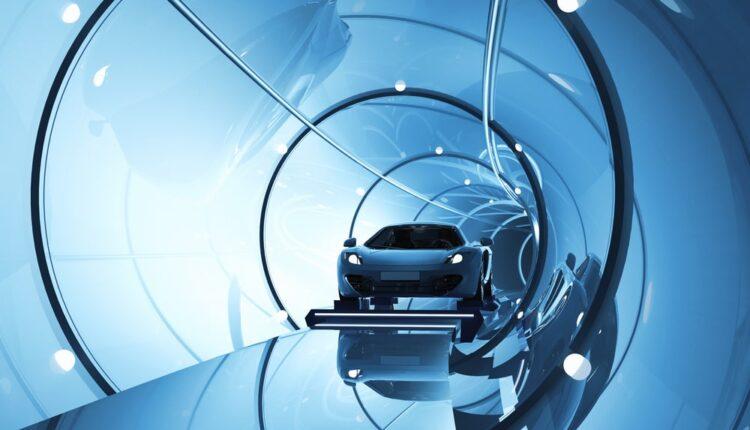
This underground transport system, dubbed the Dubai Loop, is a fully electric transport service that will use fully electric,driverless vehiclesto ferry passengers around the city. The planned tunnels will span 10.6 miles (roughly the distance from downtown New York to Newark, NJ).
Musk has been talking aboutHyperlooptechnology for years, first introducing the concept in the early 2010s. The first operational version launched in Las Vegas in 2021, with five stations currently in place, and plans for up to 100 more. So far, there’s no word on when construction will officially begin.
Benefits
One of the biggest perks of its underground setting is that the temperature inside the Loop will always be cool—offering a much-needed escape from Dubai’s notoriously scorching heat and making it an even more attractive travel option. The trains will travel at around 75 mph, getting passengers to their destinations swiftly and comfortably.
Dubai’s rapid expansion over the last few decades has led to space constraints and environmental concerns. By utilizing underground space, the city can free up land for essential infrastructure while also working towards lower emissions.
Safety
Beyond the Loop’s speed and efficiency,Boringhighlights the system’s safety. Unlike traditional trains and subways, there are no high-voltage hazards, and evacuation procedures are designed to be straightforward and risk-free.
For instance, in the unlikely event of a fire,it will be equipped with a smoke removal system to ensure passengers canget out safely.
Image Credit: Shutterstock/andrey_l