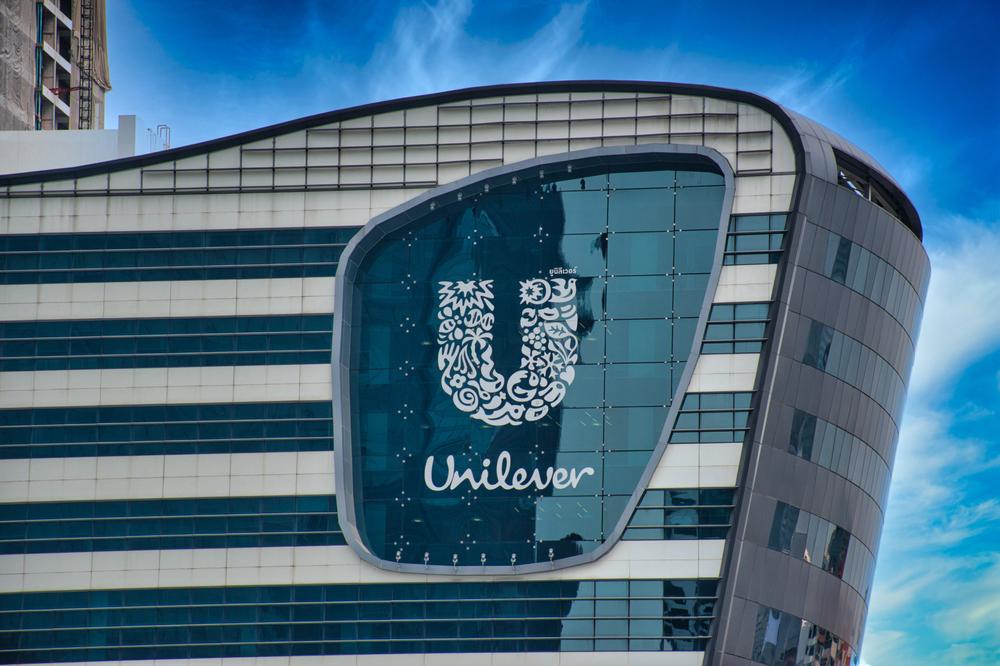
Unilever, a leading maker of consumer goods, cosmetics, and food products, believes that more of its products could one day be derived from carbon dioxide — providing a way to turn a greenhouse gas into everyday items.
Replacing Fossil Fuels with Carbon
Unilever recently announced an extension of its existing partnership with Econic Technologies, a U.K.-based developer of a process that could replace materials ordinarily derived from fossil fuels with ones made from carbon.
The company uses a catalysis process to break CO2 into carbon and oxygen — enabling the former to be used in manufacturing processes. Unilever will debut carbon-derived polyurethane products later this year, but company officials also believe the technique could be expanded into its household cleaning products.
Superior Cleaning in Renewable, Biodegradable Ingredients
The expanded collaboration followed breakthroughs by Unilever scientists on rhamnolipids, which offer “superior” cleaning properties and better skincare in an entirely biodegradable and renewable format.
The company hopes to conduct consumer testing on a small scale in 2025 before launching a complete lineup of products “after that.”
A Better Way to Capture Carbon
Unilever officials said the company is confident that the products will not only have a lower carbon footprint but also provide a more advantageous way of utilizing CO2 from the atmosphere. They expect that the new method could provide additional “untapped” improvements in product performance.
Raw Materials Account for a Majority of Unilever’s Emissions
Unilever, which owns more than two dozen brands, including Dove, Vaseline, Seventh Generation, and Hellman’s, said that finding an alternative to fossil fuel-based feedstocks represents the biggest challenge to its effort to become carbon-neutral over the next 15 years.
Officials said Unilever’s raw materials and ingredients account for nearly 60% of its total greenhouse gas emissions.
Image Credit: Shutterstock.com / BalazsSebok