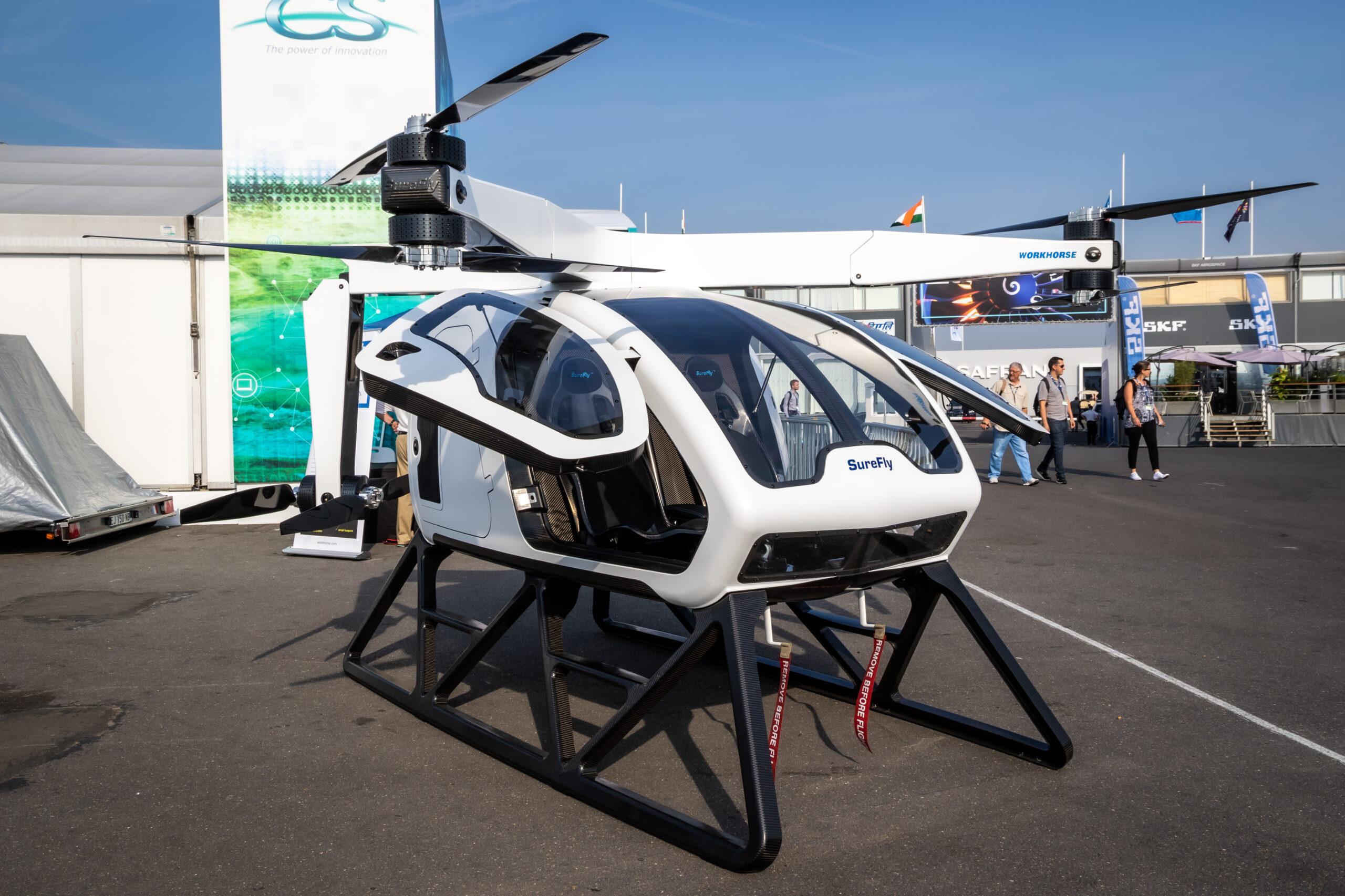
The Federal Aviation Administration (FAA) issued a final rule that outlines regulations for operating electric vertical takeoff and landing (eVTOL) aircraft, along with training requirements for pilots. According to FAA Administrator Mike Whitaker, the new rule classifies air taxis as a distinct form of aircraft that will eventually operate alongside helicopters and airplanes.
First New Aircraft Category in 80 Years
Featuring powered-lift capabilities, eVTOLs represent the first new aircraft category since the introduction of helicopters approximately 80 years ago.
Air taxi proponents claim that the aircraft offers a more environmentally friendly option than traditional planes that rely on jet fuel. Manufacturers see eVTOLs as a solution for moving cargo and people. However, existing technology limits the aircraft’s size, likely restricting their use to urban areas.
Getting Airlines Involved
Airlines view air taxis as an option for transporting people to airports. In 2022, Delta announced a $60 million investment into eVTOL manufacturer Joby Aviation. The California company also expects to receive $500 million in funding from Toyota.
A separate eVTOL company, Archer Aviation, reported that it received an order from United Airlines for 200 aircraft, a deal potentially worth $1 billion.
Pushing Clean Flight Solutions
Joby CEO JoeBen Bevirt said the FAA’s regulation would allow the U.S. to assume a leadership role in the global adoption and development of clean flight solutions.
Related News
Joby Rolls First eVTOL Aircraft Off Production Line
9 eVTOL Companies Changing Industry
Eve Is the Latest Startup to Join the eVTOL Race
Air Force to Test eVTOL from Archer Aviation
Stellantis Invests $55 Million in Archer Post Flight Success
Textron Air Taxi Could Fly Next Year
Image Source: Shutterstock / Vander Wolf Images