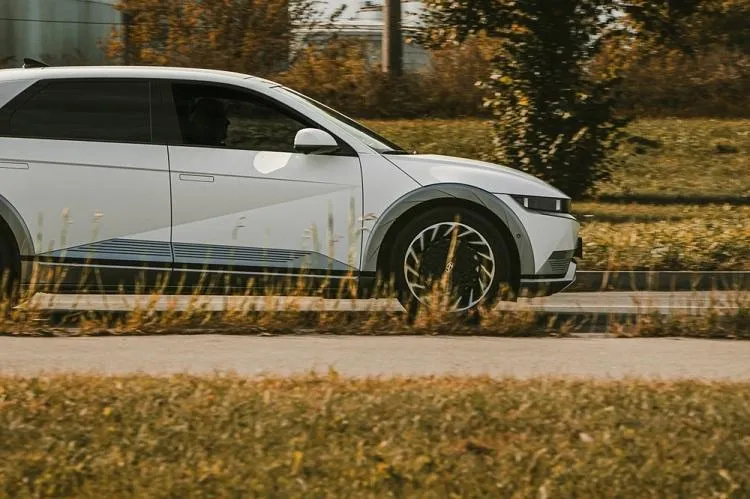

Industry leaders ranging from Google to General Motors have been touting their advancements in autonomous or driverless vehicle technology. The competitive nature of their development timelines seems to correspond to increasingly aggressive projections on future consumer demands. The problem is that not even Elon Musk can control the pace at which infrastructure projects and legislative agendas move.
Thisfact has led to pundits from throughout the automotive landscape chiming in with concerns about how U.S. roadways are currently ill-equipped to handle driverless vehicles. According to research from the National League of Cities, only six percent of the largest cities in the U.S. have developed any language in policiespertaining to the potential impact of driverless technology. And it's safe to assume that even less dialogue has been generated around safety response, licensing, or the necessary infrastructure investments.
Among the chief concerns are country highways, freeways, and city streets lined with older, faded signage that will be difficult for the cameras and imaging systems utilized by autonomous cars to properly decipher. Additionally, there is still some debate as to whether the additional funds needed to upgrade signage and other facets of automotive infrastructure will come from state departments of transportation or federal agencies like the National Highway Traffic Safety Administration.
Adding to the intrigue is the role that private players with a vested interest in championing autonomous driving technologies will play. While waiting for government assistance is undoubtedly a financial benefit, the resulting delays could impede consumer adoption and their company's growth opportunities. So even as core technology is unveiled and new regulatory developments continue to provide a working framework, the ability to properly implement this technology could be its greatest hurdle.