
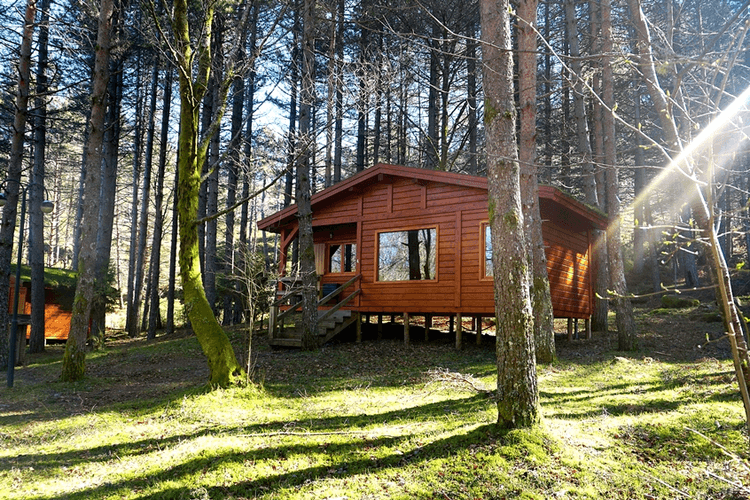
Whether you reside full-time in your log home, use it as a weekend retreat, or rent it out to lodgers or tenants, the cold winter months are the most hazardous time of the year. Regardless of the specific climate or region, it’s crucial to prepare these time-tested structures for harsh, potentially damaging weather.
Follow the steps outlined below to ensure your log home remains structurally sound during the coldest months.
Maintaining the Exterior of Your Log Home
Your log home’s roof, gutters, and spouts are some of its most vulnerable components during harsh winter months, and should all be examined thoroughly. Gutters should be cleared, and if the temperature will drop below 32 °F (0 °C), consider adding extra insulation to your attic to prevent roof damage.
You should also thoroughly examine your log home’s foundation to ensure it is solid and ready for the severe conditions of the months ahead. Clear away any plant growth, and make sure any cracks or points of entry in your home are tightly sealed.
Always assess the main entry points such as doors and windows, as well as the logs used in the construction of your home. Check them for any imperfections, such as cracks or chips, that may be worsened by winter weather.
You should also attend to your log home’s surrounding landscape. Trim any branches near the house, and assess whether any electrical wires are posing a hazard. Contact appropriate authorities to deal with wires that seem unsafe or worn down. Finally, sweep out your log home’s chimney.
Maintaining the Interior of Your Log Home
If you plan to heat your log home during the winter, it’s essential to drain every pipe in order to prevent freezing. Make sure that the water is turned off, and leave every spigot open. Any pipe that will be exposed to the elements should be properly insulated, as well.
Winter sends animals into shelter mode. Be sure to secure all ducting and seal off any passageways that would allow critters to take up residence. The power should also be shut off, and take care to disengage appliances to ensure optimal safety.
Finally, apply weather stripping around the interior of all doors and windows to prevent cold air and moisture from seeping in and causing corrosion.
Warm and Dry
When conducting preventative log home maintenance and safety assessments, remember that the main goal is to keep your house “warm and dry.” Following the steps outlined above will help ensure that your log home makes it through even the coldest, harshest winters.
Resources:
- 6 Tips to help Winterize your log home – Appalachian Log Structures
- Winterizing a Log Home | Heartwood Mills
- Easy Ways To Prepare Your Log Home For Winter – Log Home Living
Image Credit:David Fonseca/Shutterstock.com