Tanks are used in a variety of ways in biomedical and pharmaceutical applications, including the storage and mixing of chemicals and chemical compounds, as well as research. Tank fabrication, therefore, must facilitate the safe handling of harsh chemicals while preventing contamination and leaching. Plastic tanks and stainless steel tanks are popular choices, each offering unique properties and advantages for specific applications.
Plastic Tanks
Plastic tank fabrication is conducted using high-density polyethylene, polypropylene, polyvinylidene, Teflon™, and other types of plastics. In the past, stainless steel tanks were primarily used for chemical storage, as it was believed that poly-based plastic storage tanks were prone to leaching, corrosion, and bacterial growth as a result of vulnerable resins. It is now known that certain plastics offer significant chemical resistance, making them a popular choice for chemical and liquid storage in biomedical and pharmaceutical applications.
Plastic tanks also offer certain advantages over stainless steel tanks, including:
- Lower cost
- Lighter weight
- Faster tank fabrication
- Transparency, allowing workers to easily see material levels within the tank
- Ease of installation
- Service life of 20 years or more
- Lower maintenance expenses
- Higher flexibility
Plus, plastic tank fabrication making use of polypropylene and polyvinylidene is USP VI-rated, making these tanks ideal in deionized ultrapure water system applications, as well as biopharmaceutical mixing applications including chrome slurry agitation, buffer prep, and media prep.
It should be noted that certain plastic tank fabrication materials can be more vulnerable to extreme temperatures, and are not well suited for applications involving intense heating and cooling.
Stainless Steel Tanks
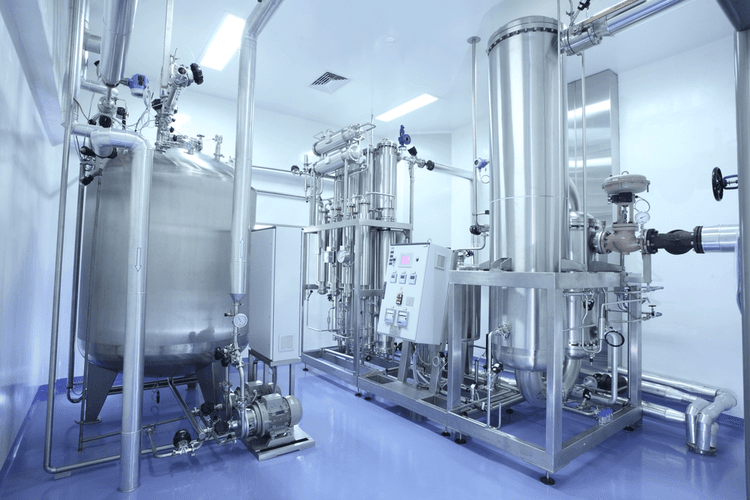
Stainless steel tanks are used for mixing applications that require pressure or vacuum ratings. These tanks are also used for storage and processing in the pharmaceutical industry.
Stainless steel tanks are also the better choice for certain heating and cooling applications due to the tanks’ resistance against breakage when exposed to intense hot or cold temperatures. Stainless steel tanks also offer high resistance against rough materials that can create vulnerability in plastic tanks.
Stainless steel tank fabrication offers a few advantages over plastic tank fabrication, such as:
- Higher resistance to cracking and temperature
- High corrosion resistance
- High physical strength and durability
- Chemical treatments reduce reactivity
- Recyclable
- Hygienic
However, stainless steel tanks require regular maintenance and costly coatings for protection. Seams and welding points within a steel tank create vulnerability, and are typically the first points for pitting, crevice corrosion, and chemical attack. These tanks are also costly to manufacture compared to plastic tanks, due to the need for welding and metal base polishing.
A stainless steel tank requires a more compact, solid foundation for installation. Once installed, it should not be moved lest its structural integrity be compromised, allowing for the development of leaks.
Both plastic tanks and stainless steel tanks are commonly utilized in various applications within the biomedical and pharmaceutical industries for storage, mixing, and other needs. Careful evaluation of specific application demands — as well as material qualities — will help in determining the ideal material choice.
Resources:
- Medical Applications of Stainless Steel 304 (UNS S30400)
- Custom Plastic Tank Fabrication
- Poly Storage Tanks vs. Stainless Steel: 3 Facts Revealed
- PVDF: A Better Choice for Stainless Steel Components?
- 3 Advantages of Stainless Steel Storage Tanks
- Stainless Steel Tanks
Image Credit:Hywit Dimyadi/Shutterstock.com